Without the right questions, transit plan could fail
Of course in the Vancouver metro region, the right questions about transit have never been asked for fear of getting ‘correct’ answers.
Building Metro Vancouver’s mini-metro system has always been about land development, political prestige and vote getting and not providing the best transit choice or the most affordable transit choice for the transit customer.
The SkyTrain lobby (including most inner regional mayors),Ai??have deluded themselves about high ridership on the mini-metro system, forgetting the fact that the three current metro lines should have about 900,000 boardings a dayAi??opposed to the currentAi??381,000 boardings a day, which would make the system financially viable. With 80% of mini-metro customers forced to transfer from the bus, which means the SkyTrain/Canada line metro system has been poor in attracting the motorist from the car.
A note at this point is necessary. Buses are very poor in attracting the motorist from his/her cars, which make bus based transit modes (BRT/GLT) poor options for regional transit.
Added to the mix is the over 120,000 U-Passes now floating about in the transit system and their effect on transit ridership. Cheap fares may increaseAi??boardings (with multiple use, etc.) butAi?? not increase the number of people actually using the metro system. A persistent rumour is that a mere 30,000 U-pass holders account for almost 75,000 boardings and this before the great U-Pass expansion!
In an age where TransLink and Metro planners consistently “get it wrong“, the followingAi?? are some of theAi??right questions about regional transit that our bureaucrats just do not ask.
- Can we afford this transit option?
- Will this transit option reduce car usage?
- Is the transit option customer friendly – will it attract more ridership, enough to justify construction?
- Will this transit option attract ridership?
- Can we affordably expand this transit option in two to five years?
- Will this transit option negatively effect non-transit users, such as merchants along its route.
- How cheaply can we build this transit option, can we use existing infrastructure, such as existing railway tracks (tracksharing) or use existing street power poles or masts and span wires?
- Is expensive engineering needed or necessary?
- Can we use pre-owned equipment, to reduce cost?
- Can the transit be adaptable for other uses, such as private hire, freight haulage, heritage exhibits?
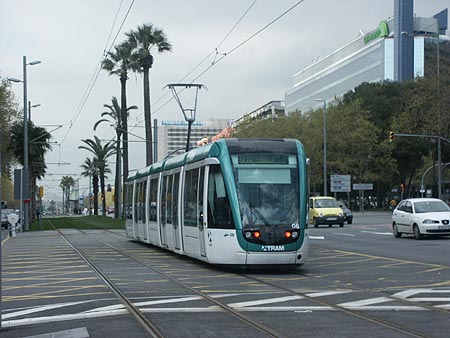
Modern Light Rail tends to have the right answers for urban transportation.
It seems those in power refrain from asking the ‘right‘ questions for fear of getting the ‘right‘ answers and the “right‘ answers means that SkyTrain and/orAi??light-metro is not the ‘right’ choice for rail transportation in the VancouverAi??Metro region.
Without the right questions, transit plan could fail
April 9, 2011
Regional staff and various others have been trying to answer the question of what people in Waterloo Region think about the proposed rapid transit system. Unfortunately, there are two other questions that arenai??i??t being asked, and if we donai??i??t ask them, we may end up with the worst possible system.
The first question is: Which people do we mean? The real distinction isnai??i??t age. Itai??i??s between three groups: those who use transit, those who donai??i??t currently use transit but might use it, and those who do not use transit and never will. I have met people from all three groups who are supportive of light rail transit. But I have never met anyone who is opposed to light rail transit who is a transit user.
The regional transportation master plan doesnai??i??t expect to get everyone out of their cars. The goal is to increase the percentage of travellers who use transit at peak periods to about 15 per cent by 2031, while 70 per cent will use their cars.
Itai??i??s important that the project meet the needs of current transit users. But since rapid transit is intended to encourage greater transit use and intensification, the system needs to be designed with the potential transit user in mind.
While itai??i??s crucial that all members of the community be involved and engaged in our transportation future, it is not crucial that all members of the community like the system chosen. Most wonai??i??t ride it, and thatai??i??s fine. But by designing a system for current and potential users, everyone benefits, as more transit users means fewer drivers and fewer cars on the road.
So once we identify that there are distinct groups of people whose opinions weai??i??re hearing, we need to ask a second question: What, really, are the members of these groups asking for?
I hear current transit users asking that the system they rely on continue to meet their needs in the long-term. I hear potential users talking about their desire to use a system that meets their needs, and what that system might look like. And, most encouragingly, I hear some of those who will not use transit themselves supporting light rail transit because they want their grandchildren to have real transit options, and because they donai??i??t want a future for the region that includes more sprawl, pollution, and time spent on increasingly packed roads.
But when I hear those who do not use transit, and who are clear that they have no interest in ever using transit, speak against light rail transit, they are not really asking for a rapid transit system. While many of these people say they want bus rapid transit, they often do so because they donai??i??t want light rail transit. They canai??i??t see themselves using it, so they canai??i??t understand how anyone else would want to use it. They donai??i??t want to lose road space that cars could drive on to alternative transportation. And most often, they seem to resent paying for it. Itai??i??s much easier for these people to say that they prefer cheaper buses than it is for them to say they do not support robust transit.
Unfortunately, many of those who are just supporting the cheaper option seem to think that bus rapid transit simply means buying a few more buses. For example, many are not aware that bus rapid transit not only means still losing car lanes, but also means those lanes will be up to 0.5 metres wider than for light rail transit. Bus rapid transit is still an extensive transit system and a huge structural investment, and one that will have significant costs and impacts for our future.
So when we hear people express their preferences for light rail transit or bus rapid transit, we should ask about more than what they think. We should ask whether they do or might use transit. We must also ask what their vision is for the region, and how that influences their choices. If we donai??i??t ask these questions, we may very well end up in the worst of all possible positions: We will choose a bus rapid transit system for those who donai??i??t need or want to use it, and who will be shocked by the effects, instead of choosing for those who want to use it. Itai??i??s an outcome that will make no one happy.



i think the general atdtutie about transit in the US is very different than at least here in Vancouver. one thing, we don’t see riding the bus as degrading, or as a symbol of lower economic status. from my understanding in the US on average people use the bus as a last resort, when they cant afford a car, or have lost their license. maybe because of the car representing american freedom? I bet on average there’s going to be more bus riders per capita in Vancouver than most american cities (this may include other major canadian cities) just because of the status symbol effect. Vancouver is fairly young as a city and developed quite closely with its transit system, from my understanding many european cities have a similar atdtutie, possibly because their transit system developed before most people had cars of their own.