Tech stuff for the Valley Inturban A?ai??i??ai??? The Indusi Signaling System A?ai??i??ai??? how it works (Part 4)
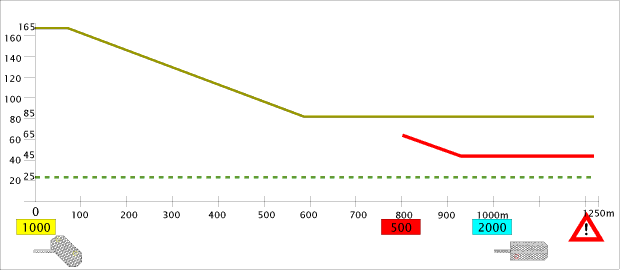
Speed Supervision (GeschwindigkeitsA?A?berwachung) The Indusi can also be employed to enforce speed restrictions, although it was not originally designed for this matter. The principle of operation is this: A device detects the approach of the train and activates a track magnet (say, a 2000Ai??Ai??Hz magnet). A timer is set, and after a fixed time the […]
Tech stuff for the Valley Inturban A?ai??i??ai??? The Indusi Signaling System A?ai??i??ai??? how it works (Part 3)
Ai?? How To Drive Note: For this page I assume a passenger train of Zugart (train type) “O”. For other train types, the speeds, times and lengths differ. I assume no regular halt between the distant and main signal. The status of the Indusi is indicated by an array of lights (see the Cab displays […]
A 2007 Presentation on Valley Rail – by the Light Rail Committee
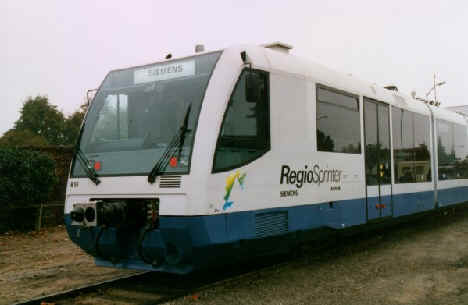
First, before any discussion about rail transit, including Light Rail Transit, we must define LRT and other transit modes. The following is a brief descriptions of various transit modes advocated as solutions for transit in the region. Commuter rail: Locomotive hauled rail coaches or diesel or electric multiple unit trains, catering specifically to peak hour […]

Debunking the SkyTrain myth part 4 – The curse of the gadgetbahnen
Ai??Ai?? Ai??Ai?? Gadgetbahn (also gadgetbahnen) is a pejorative term used by some transit professionals to describe what they view as infeasible or unnecessary transportation concepts. It is a compounding of gadget, meaning “device that has a useful specific purpose and function. Gadgets tend to be more unusual or cleverly designed than normal technology,” and the […]
Two letters in the Tri-City News
Massive transit expansion needed in Metro Vancouver The Editor, Re. “Build real rapid rail” (Letters, The Tri-City News, June 5). I have to second letter writer Barry Waterlow’s suggestion that only a massive rapid rail and SkyTrain expansion could convince commuters to use public transit and reduce the number of vehicles owned. Why wouldn’t comfort […]
Is LRT becoming the new Light-Metro?
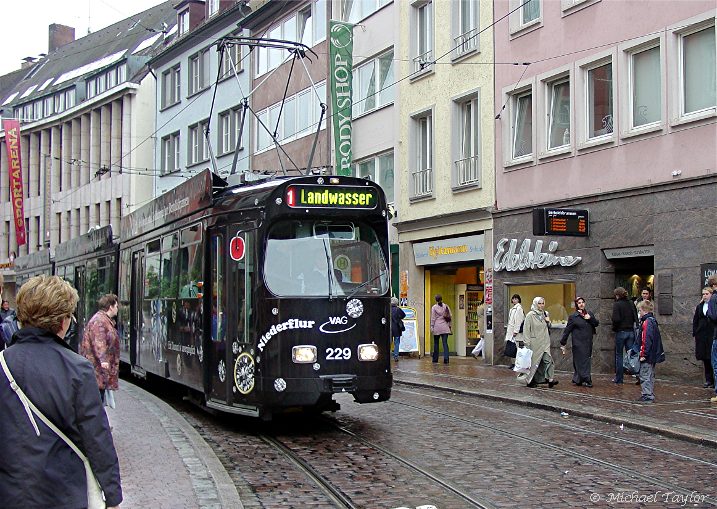
A metre gauge tram in Germany is still considered LRT. Since theAi??Ai??early 1970’s, the term LRT or light rail transit, has been in common use describing streetcar or interurban type rail transit. The first generation of modern LRT were German ‘Stadtbahn’ (City railway) style of tram, generally articulated and heavier built than trams or streetcars […]
Debunking the SkyTrain myth – Part 2
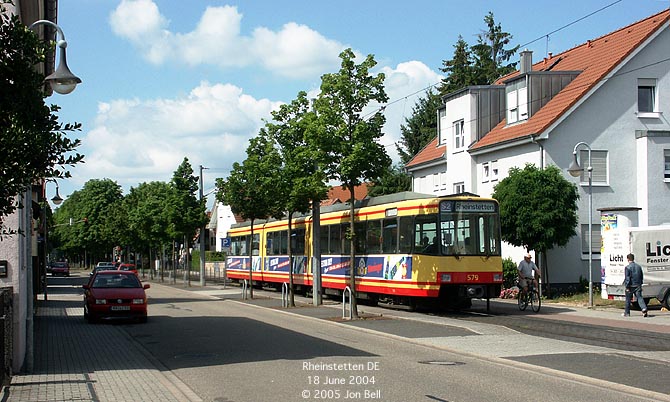
A tramtrain traveling through a village near Karlsruhe Germany. The “Debunking the SkyTrain myth. Rail for the Valley answers the UBC SkyTrain Lobby”Ai??Ai??, post…….. http://railforthevalley.wordpress.com/2009/04/23/debunking-the-skytrain-myth-rail-for-the-valley-answers-the-ubc-skytrain-lobby/ …….has become the most readAi??Ai?? and commented one to date, yet no one with the SkyTrain lobby has posted a credible reply. On the various SkyTrain blog sites, the one […]
An European view of light-rail in North America. Is it time for a new definition of LRT?
The following maybe of interest on why LRT projects in Canada and the U.S.A. seem toAi??Ai??cost more than new European installations and some (Seattle is a good example) have more in common with light-metro, than what manyAi??Ai??people would callAi??Ai??light-rail. It seems in North America, what is called LRT, is really light-metro and real LRT has […]



Recent Comments