
Michigan: Hearings on Hydrogen-Solar-Maglev Supertrain
Ai??Ai?? Got lots of federal recovery money to spend on ecconomic stimulusAi??Ai??transportation projects? Then, let’s spend it on questionable studies and silly projects instead of real transitAi??Ai??solutions that will solve real transportation problems. Even though this article comes from the USA, Canadian politicians are no different and when there is free money around it’s seldom, […]
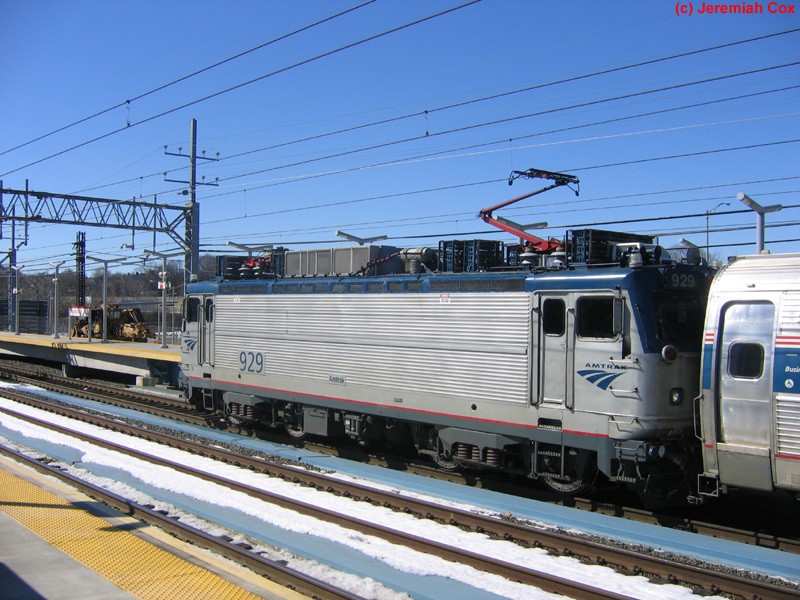
Electrification Suddenly in Vogue Again
The Transport Politic 18 June 2009 Electrification Suddenly in Vogue Again Canadian, British, American railroad officials fighting to replace diesel locomotives. With efforts to combat climate change ramping up and ridership on public transportation increasing steadily, electrification of main-line rail corridors is in. Yet, though railroads in the U.S., Canada, and the U.K. are studying […]
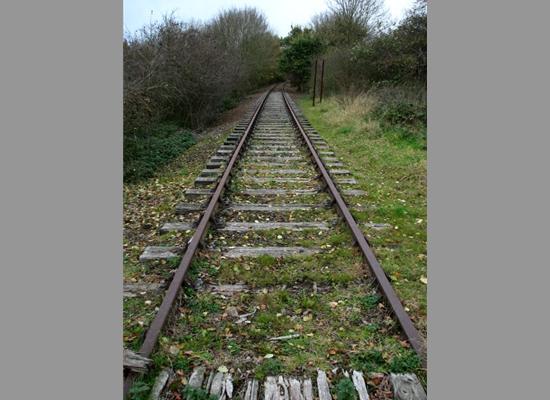
UK News – Train operators plan to reopen mothballed lines
Interesting news from the U.K. which might bolster the campaignAi??Ai??for those wishing the return of the Vancouver to Chilliwack interurban. The Association of Train Operating Companies (ATOC) or in layman’s terms, the privatized companies formed from the old British Rail, have plans to reopen several abandoned or mothballed railway lines. What is of interest is […]
Two letters in the Tri-City News
Massive transit expansion needed in Metro Vancouver The Editor, Re. “Build real rapid rail” (Letters, The Tri-City News, June 5). I have to second letter writer Barry Waterlow’s suggestion that only a massive rapid rail and SkyTrain expansion could convince commuters to use public transit and reduce the number of vehicles owned. Why wouldn’t comfort […]
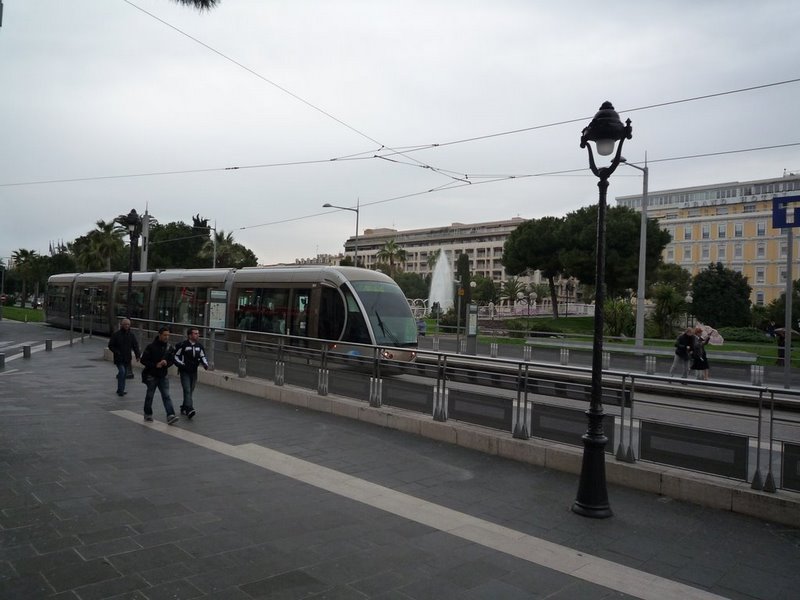
LIGHT RAIL TRANSIT ASSOCIATION Discussion Document 73 March 2009
Ai??Ai?? The following, though written for an English audience is pertinent to our current transit debates and maybe of some interest to those advocating rail transit here. Ai??Ai?? FALSE INFORMATION USED TO DESCRIBE A TRANSIT SCHEME Ai??Ai?? Introduction Ai??Ai?? This document is partly designed to correct a practice of using false information regarding transit modes. […]
Can trams (the interurban) operate with passenger and freight trains? They can in Germany!
[youtube=http://www.youtube.com/watch?v=NsdJPaih0Fw] To everyone who says that the interurban can’t operate on existing railways or share tracks with freight trains, this U-Tube video from Karlshrue Germany should be watched. If the Germans can do it, so can we!
TramTrain, the interurban of the 21st century!
With the ongoing campaign for the “return of the interurban” in the Fraser Valley, an understanding of what the 21st century interurban is needed. The old Vancouver to Chilliwack interurban,Ai??Ai??ran from downtown Vancouver along streetcar tracks, up Main St. and down KingswayAi??Ai??to the beginning of the Central Park Line, just past Commercial drive. Then the […]
The case for Diesel LRT for the metro Vancouver region.
Diesel light-rail is a light-rail vehicle which is powered by a diesel engine, rather than electricity, conforming to the operational parameters of modern LRT. ThisAi??Ai??meansAi??Ai??Diesel LRTAi??Ai??can be installed very cheaply on routes that would otherwise not be considered for ‘rail’ transit, as itAi??Ai??forgoes the expense of the ‘overhead’ for electric transmission,Ai??Ai??giving large cost savings on […]
Karlsruhe Light/Heavy Rail Track-Sharing System
Here is a good article, from Railway-technology.com, that describes the Karlsruhe Model of track-sharing: Karlsruhe Light/Heavy Rail Track-Sharing System, Germany “Close to the French border in south-west Germany, Karlsruhe in Baden-WA?A?rttemberg was the first European city to implement track-sharing for light and heavy rail vehicles. The ‘Karlsruhe Model’ is considered the reference point for similar […]
Why we build with LRT
What is Light Rail Transit or more commonly known as LRT? According to the Light Rail Transit Association (www.lrta.org) Light rail is a mode that can deal economically with traffic flows of between 2,000 and 20,000 passengers per hour per direction, thus effectively bridging the gap between the maximum flow that can be dealt with […]



Recent Comments