SkyTrain ills
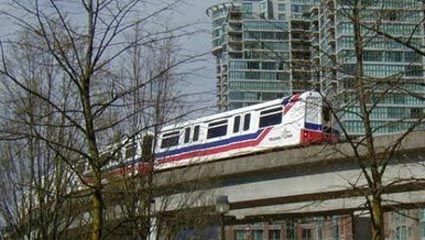
Oops, the transit system that never breaks down, according to the SkyTrain lobby was on the fritz again.Ai?? A stuck train caused transit chaos Wednesday afternoon, not a train that has broken down, mind you, a stuck train (glue on the tracks?).
Well, trains normally don’t get stuck but when that do in the case of a tram, it is towed away by another tram to a siding where it can be dealt with, not in the case of SkyTrain evidently.
The key phrase in yesterday’s major inconvenience was; “This happens too often, there is no explanation………….” ; all too often is the message Zwei is getting from frustrated transit customers who have vented all too often.
Well SkyTrain Lobby, welcome to the real world of transit operation, trains break down, but with LRT the problem is generally dealt with quite quickly, unlike SkyTrain because when SkyTrain breaks down it gets stuck.
News1130 Staff February 5, 2014
VANCOUVER (NEWS1130) ai??i?? TransLink says a problem train at the Main Street SkyTrain Station has been fixed.
Passengers heading west into the downtown core are warned to expect delays as service returns back to normal.
SkyTrain riders are frustrated, saying theyai??i??re sick of trains breaking down.
ai???This happens too often, there is no explanation. There are hundreds and hundreds of people that itai??i??s going to take at least an hour to clear off this platform,ai??? expressed one rider.
SkyTrain users endure delays as train gets stuck at Main Street station
Photograph by: Vancouver Sun , Vancouver Sun
METRO VANCOUVER — TransLink blamed a “problem train” near Vancouver’s Main Street-Science World SkyTrain terminal for system wide chaos that temporarily left thousands of commuters scrambling to reach destinations Wednesday afternoon.
The delays began in the early afternoon, according to posts on TransLink’s Twitter feed.
“There is a stuck train at Main St (Station) and it’s causing delays system wide. We’re working on it but no ETA as of yet,” read an early post.
Millennium Line trains appeared to only run between VCC-Clark Station and Columbia Station, according to TransLink.
Westbound Expo Line trains were stopped at Commercial-Broadway Station, with passengers transferred to shuttle trains between there and Main Street, then transferred again to a different shuttle for the journey from Main Street to Waterfront Station.
“Good News everyone, SkyTrain reporting problem train has been fixed,” read a TransLink tweet posted just after 4:30 p.m.
But the transit authority warned passengers that there would be continued delays as service returned to normal.
It is not yet known what caused the delay, but TransLink officials say it is not passenger related.
Calls to TransLink and Transit Police for more information were not immediately returned.
Ai?? Copyright (c) The Vancouver Sun
Liz James Takes On The TransLink Referendum
The fiery independent columnist Liz James is one of the few scribes that is willing to take on the TransLink behemoth with other than the political correctness that follows the issue. David Cockle, mentioned in Ms. James piece, is the very same David Cockle who did the famous Leewood/Rail for the Valley Study…..
….. and a transit study done by Mr. Cockle for Burnaby, Richmond, Vancouver or Surrey would be most welcome.
The region needs very desperately and independent view on transit, as present planning relies too heavily on the SkyTrain light metro model, which has proven to be obsolete for the more cash constrained 21st century. Essentially, the regional taxpayer has been paying about three times more for SkyTrain and the Canada line, with no advantage in operation.
One hopes Mayor Walton will see beyond the fog of “rapid transit” and look at other transit alternatives without interference from the SkyTrain Lobby.
The transit consumer and regional taxpayer deserves no less.

Stumbling towards a transit referendum
Elizabeth James / North Shore News
February 5, 2014“Somebody has to have the guts to go to the public and talk about all the various sources of (TransLink) funding and do all of the groundwork.” North Shore News Jan. 26, 2014 – North Vancouver District Mayor Richard Walton (from a Jan. 26 news story)
Speaking at a recent Chamber of Commerce lunch, District of North Vancouver Mayor Richard Walton expressed his frustration with the confusion over the proposed TransLink referendum.
Walton, who continues as mayors’ council chair for 2014, echoed the council’s opinion that the province owns the referendum and is responsible for wording the question and for educating the public as to possible funding options.
The same day, Transportation and Infrastructure Minister Todd Stone told reporters the mayors have each “put numerous ideas out there” about the transportation priorities for “their respective communities” without saying how the projects can be funded.
Mayors promoting the needs of their communities? Isn’t that what they were elected to do? People are often accused of demanding services they’re not willing to pay for – the accusation grates every time I hear it. People are not against paying for improved and efficient services; they are sick of pouring their dollars down black holes of provincially driven political decisions that fail to deliver anything close to a region-wide transportation system.
The mayors are overdue to dig in their heels. Indeed many believe they should dump TransLink in the lap of the current premier who has done nothing to rectify the mess she inherited from a succession of previous governments dating back to the Glen Clark era.
Instead, mere hours after Stone’s comments, she pulled the rug out from under him by backing away from the government’s “committed” position that the referendum would be held alongside November’s municipal elections.
That’s reminiscent of a long-ago remark by former CKNW talk-show host Rafe Mair who said, “People are mistaken if they think anyone in power knows what the hell they are doing.”
Now, under the guise of giving people a voice, the province plans to offload its responsibility by forcing you, the voters, to decide how you want your ox gored for who knows what “priorities” they want to ram through.
Recently, I received two documents pertinent to this discussion. One came from longtime North Van District council-watcher, Corrie Kost; the other was a transit presentation made to authorities in Dundee, Scotland.
Too lengthy to analyze here, they add a wider dimension to the transportation investments you are being asked to make.
Kost referred me to a 2012 referendum held in Atlanta, Ga. where area residents were asked to approve a Transportation Special-Purpose Local-Option Sales Tax.
In brief, the referendum failed by a vote of 417,593 to 257,942, despite the fact that proponents spent US$6.5 million to the US$14,000 “and shoe leather” spent by opponents.
If you search for “A well-tied knot: Atlanta’s Mobility Crisis,” authored by Edward A. Hatfield of Emory University, you can read the longer story online. Although Hatfield says Atlanta’s transportation issues were complicated by disturbing racial overtones, some of his comments sound eerily familiar: “… it wasn’t altogether clear that area leaders could even agree on a slate of projects, much less persuade voters to foot the bill.”
And, “… some ninety one percent of the voters opposing the referendum were motivated by a profound lack of faith in government…” To be fair, Hatfield said 49 of 62 initiatives put forward by the U.S. nonpartisan Center for Transportation Excellence did succeed.
Another issue Hatfield touched on was that of development: “The project list as a whole was not paired with thoroughgoing changes in land-use regulations.”
You be the judge as to whether our “regional transportation (is) still chasing development rather than shaping it.”
The second report was a presentation by Jim Harkins, FC ILT and David Cockle of Leewood Projects Ltd. on the Dundee Waterfront Circular Tram. Both members of the U.K.’s LRTA Light Rail Development Group, they do lean toward light rail. Nonetheless, their presentation models the co-ordinated information so desperately needed in this region. Affordability, connectivity, university needs, reduction of car use, pedestrian walkways and much more was covered.
Cockle regularly visits family in Chilliwack and so I asked him about the dynamics of producing such a report for Metro Vancouver. He said circulators could, indeed, feed into the current transit network. Routes to consider: Waterfront-Gastown-Robson; Waterfront-Robson-West End; Robson-West End-Yaletown; Burnaby, Richmond.
Cockle also said that if commissioned, separate reports by Harkins et al for the North Shore and for the Broadway corridor to UBC route would take from four to six weeks to complete.
I hope to discuss the specifics with Mayor Walton and tell you more in an upcoming column.
The cost of those expert independent reports would likely pale in comparison to the costs of a stumbling referendum which would guarantee little but more TransLink grief.
All that’s needed is someone with “the guts” to commission them.
Ai?? North Shore News
– See more at: http://www.nsnews.com/news/
stumbling-towards-a-transit- referendum-1.814063#sthash. K6x3X2wx.dpuf
Stumbling towards a transit referendum
Elizabeth James / North Shore News
February 5, 2014
– See more at: http://www.nsnews.com/news/stumbling-towards-a-transit-referendum-1.814063#sthash.TMMB8R8E.dpuf
Congestion Crisis
Well Zwei told you so, the failure to plan for an affordable public transit alternative for the car has helped create this crisis and no one in charge seems to understand what the real transportation problems are in the region.
While Victoria and regional mayors squabble about who is going to tax whom and by how much, those in TransLink’s ivory towers have done little, except plan for more SkyTrain. Yet for all the SkyTrain we have built and planning so far, has achieved little except spend over $9 billion in the process.
Failed transportation policy.
TransLink’s transportation philosophy has been to connect city centres by light metro and those who wish to use ‘rapid’ transit had to takeAi?? a bus to the R/T, then, if one did not work in a city centre, take a bus from the R/T to where one wishes to go. To be successful we had to operates a massive amount of buses to feed the light-metro system day and night at a considerable cost.
This policy is fraught with problems including the high cost of bus operation; the the thorny issue that buses are very poor in attracting ridership; and the issue of transfers, especially forced transfers, deterring potential customers.
Added to this is light-metro itself; very expensive to build and very expensive to operate and today has proven inferior to modern light rail, yet TransLink wants to keep building with light-metro and when forced to plan for light rail, designs it as an expensive poorman’s SkyTrain.
Etched in stone planning.
Our transit planning is etched in stone and no one is willing to say it must take a different direction or change altogether. Rapid transit (SkyTrain) is planned to subsidize land developers, building massive tower blocks at major transit station locations. Already, land assembly is happening along Broadway and under the guise of “densification” and is deemed good planning by academics, think tanks, politicians .
But something is badly amiss………….
 …………. but as the preceding chart shows, despite a $9 billion plus investment in SkyTrain and the Canada line, regional travelAi?? mode share via the car has remained unchanged at 57% and transit use has risen a mere 3%, in twenty years! Transit has not taken cars off the road and congestion and gridlock continue to grow.
There is a cure for congestion, but it is strong medicine and it is not higher car fees or road pricing, unfortunately the medicine is too strong for our current crop of politicians and planners and until there are plans for a large light rail network servicing both major destinations and residential areas, providing the all important “seamless journey” for transit customers, gridlock and congestion will continue to grow unabated.
Heavy congestion looms as hundreds of thousands more vehicles expected to clog Metro Vancouver roads
Ai??By Elaine O’Connor, The Province
Cars and buses crawl along West Georgia Street in Vancouver during a recent afternoon rush hour. A new study projects that 700,000 more cars will be on Metro Vancouver roads by the year 2041.
Photograph by: Mark van Manen, PROVINCE
If you think traffic is bad now, wait until there are 700,000 more vehicles on Metro Vancouver roads.
Those estimates reflect the number of new vehicles we could see on our streets in the next three decades, according to a 2013 Business Council of B.C. study.
The report, Congested and Nowhere to Go: Congestion, Road Infrastructure, and Road Pricing in Metro Vancouver, projects that Metro Vancouver alone could see ai???an additional 1.4 million residents by 2041 which, by 2011 estimates, could result in 700,000 more vehicles vying for road space.ai???
ai???I was amazed at the number, so much so that I had to do it again,ai??? said study author Jonathan Arnold, an SFU masterai??i??s public policy student.
ai???New roads just arenai??i??t keeping up with the increase in demand.ai???
B.C. has seen 470,000 additional vehicles hit the streets between 2002 and 2012, according to ICBC statistics, while the population grew by 524,000. If the trend holds, it could mean another half a million cars on B.C. roads by 2022.
The question is how to convince owners to leave these cars in their driveways. To date, the answer has been more transit and roads.
Transit investments such as the Canada Line and Port Mann express bus appear to have had an impact, TransLink ridership hit 239 million trips in 2012, up six million from the year before. But transit may remain a second choice where speed and convenience lag. Last yearai??i??s ai???share the roadai??? race between car, bike and transit commuters saw transit users come in dead last.
The provinceai??i??s massive Gateway Program ai??i?? including the billion-dollar Port Mann Bridge, Cape Horn Interchange and Highway 1 upgrades ai??i?? aims to decrease congestion. Yet critics argue road improvements just create ai???induced demand,ai??? quickly re-clogging roads.
ai???You pave your way into a future where you can never get out,ai??? said UBC professor of urban planning and public health Lawrence Frank. ai???No oneai??i??s ever built their way out of congestion, you build alternatives.ai???
One alternative is road pricing.
The Business Council of BC report noted drivers donai??i??t cover two-thirds of the real costs (including environmental) of car commuting, which is ai???artificially cheap in terms of money, and artificially expensive in terms of time.ai???
To remedy that, Robin Lindsey, UBCai??i??s Sauder School of Business professor of transportation economics points to high-occupancy toll lanes (HOT lanes). They allow access to HOV lanes for a price that rises as road congestion rises, and theyai??i??ve been successful in Stockholm, Singapore and Melbourne.
ai???If you want quick, reliable trips by car, you need some form of road pricing,ai??? Lindsey said.
Long-term traffic changes will also result from urban planning and social engineering strategies. Metro Vancouverai??i??s regional growth strategy land use policy encourages transit, car-sharing, cycling and walking, and building denser transit-accessible ai???complete communities.ai???
Yet gridlock isnai??i??t a foregone conclusion. Experts point to demographic, social, economic and technological interventions that could drive B.C.ai??i??s transportation future in a whole new direction.
Andrew Ramlo, executive director of the Urban Futures Institute, said one factor limiting future gridlock is simply self-regulation. As it becomes ai???more and more expensive (in terms of time and gas) to be in your car, you are going to seek alternatives.ai???
Ramlo added car-license data may not represent cars on the road. In his own two-car family, both cars usually stay parked: he and his wife bike or walk to work.
Lindsey stresses the driving habits of future generations are also subject to change. Some studies indicate youth arenai??i??t buying cars or getting their licenses at the rate of their parents, preferring transit in part so they can use social media during commutes.
Plus, thereai??i??s no way of knowing the of future impact of gas prices.
ai???Another game-changer is the impact of technology and driverless vehicles,ai??? Lindsey noted.
Google is already testing driverless cars which could radically alter road capacity, as three times as many can fit on roadways, due to faster reaction times requiring less space. And they can be rented per trip, reducing car ownership.
More voluntary opting out may come from health conscious commuters who eschew the car to save their health. For every hour a day spent in a car, a personai??i??s propensity to obesity increases six per cent, according to research by Frank, director of UBCai??i??s health and community design lab. Some 700,000 more cars on Metro Vancouver roads by 2041 combined with an aging population could be a public health nightmare.
ai???Its an ominous prospect,ai??? he said. ai???The heath costs are so horrific.ai???
Ai?? Copyright (c) The Province

The Land Developers are Coming to Town
The problem it seems is that the Urban Land Institute seems to be more interested in land development more than anything else and certainly do not seem to be transit experts as the news article portrays them to be.
On the thorny question of what kind of technology the line should use ai??i?? SkyTrain, light rail, subway or bus ai??i?? the ULI panel will be silent. Boniface said it may lightly look at whether it should be underground or above grade, but the main purpose is to examine where stations might go and what the impact they would have on neighbourhoods.
This is the the big issue! LRT, mini-metro (SkyTrain) and rapid bus are different transit modes built to deal with different transit problems. Mini-metro (SkyTrain) is obsolete, made obsolete by modern LRT and modern LRT is built because it is much cheaper to operate than buses on a heavily used transit route. Oh by the way, for light rail, stops would be every 600 metres or so along Broadway, simple stuff that you do not need the Urban Land Institute. The big issue for LRT on Broadway would be eliminating two traffic lanes for tram operation.
This seems to be nothing more than a PR stunt to build a capacity constricted SkyTrain subway under Broadway to subsidize land development and land developer’s profits.
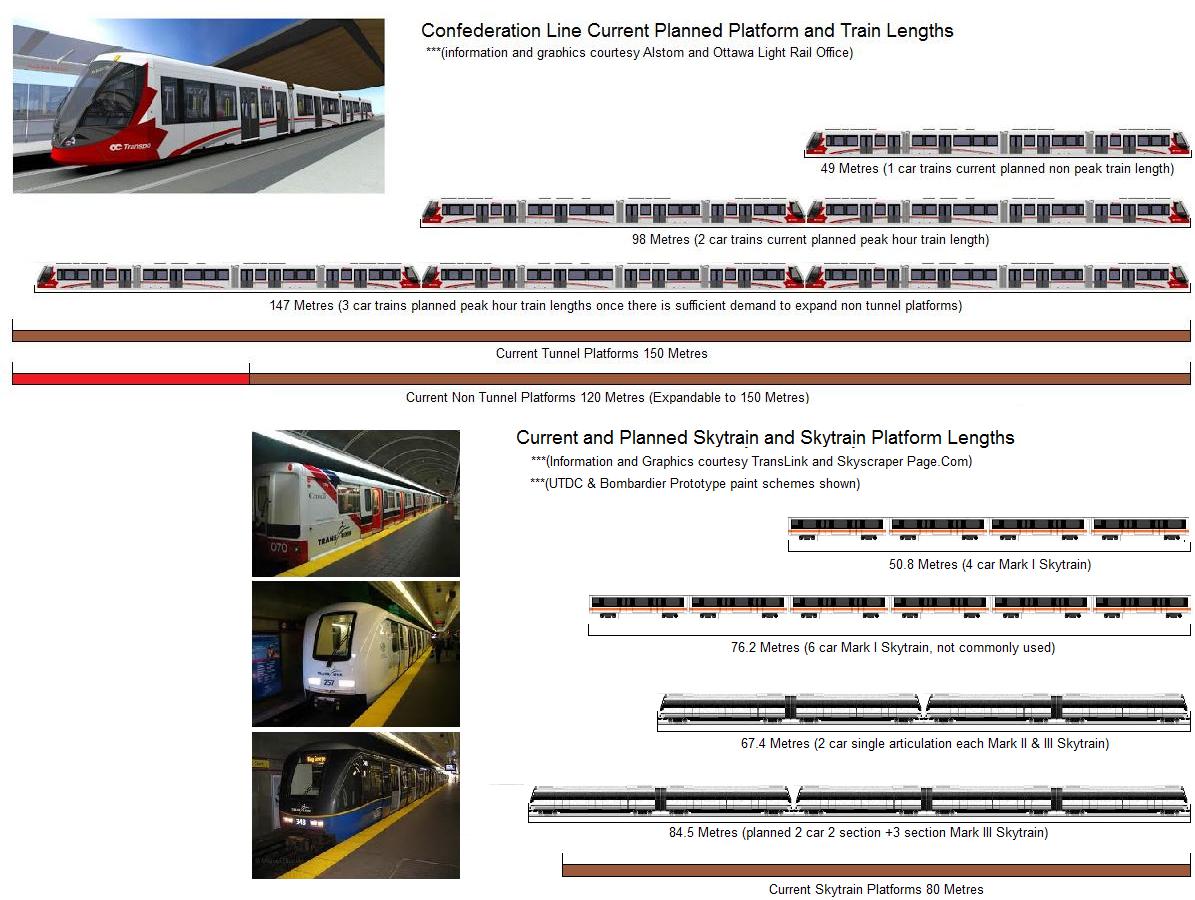 For those who do not want to believe, modern LRT does indeed have a much higher capacity than LRT
The Canada Line, with its very small 40m to 50m station platforms has about one half the capacity than SkyTrain!
International panel to advise on Broadway corridor transit
Washington, D.C.-based Urban Land Institute will do an independent assessment
The Dundee Circulator – The Affordable Tram, a Template for Broadway?
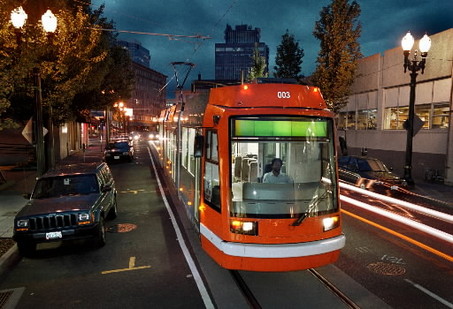
The following was sent to us by our friends in the UK.
What should be of extreme interest is the low cost for the proposed Dundee tram compared to the sky high costs for light rail from TransLink!
The example of the 13.5 km Portland streetcar is of great interest as the costs break down as thus:
- Rail, electrical and street workAi?? …….. USD$35.1m – CAD$38.94m
- Maintenance facility …………………… USD$4m – CAD$4.43
- Trams (5 +s pares) ……………………… USD$11.3m – CAD$12.53
- Utility works (only in swept path) …. USD$3.8m – CAD$4.21
- MiscellaneousAi?? ………………………….. USD$0.4m – CAD$0.44
Total………………………………………………….USD$54.6m – CAD$60.5(approximate)
LR Dundee Circulator Dec 13 v 28 (2)
If we look at a 20 km BCIT to UBC LRT, tram or streetcar, we could build an economy tram/streetcar line far cheaper than what TransLink proposes, with a multi billion dollar subway.
The following are adjusted costs for an economy LRT operation from BCIT to UBC, via Willingdon, Lougheed Hwy., Broadway, 10th Ave. and University Blvd.
Signalling: Line of sight through out, except for the single track section to BCIT, and priority signalling for intersections, and local signals for switches & crossovers.
Start up capacity: 5 minute headways (12 trips per hour) – approx. 3,000 pphpd. Capacity can be increased by adding by using longer trams or adding more trams. Capacity West of Commercial Drive can be increased by short turning trams at Broadway Station.
- Rail, electrical and street work: Approximately CAD$120m for 18.5 double track & 1.5 km for single track (from Lougheed hwy to BCIT). Note, supports and span wires are already in situ from Broadway and Boundary Road to University Boulevard.
- Maintenance facility: Approximately $25 million, based on fleet size.
- Trams: 25 modular trams and spares with a design capacity of 250 persons: Appropriately $125 million based on current vehicle cost.
- Utility works (only in swept path): $25 million.
- Miscellaneous: $50 million, based on contingencies.
- Single track rail bridge across the Number 1 Hwy.: $75 million.
Total cost ………………………………………………………… CAD$420 million.
Let us add another $80 million contingency and an economy BCIT to UBC tram streetcar, with basic HOV lane with rails reserved rights-of-ways over 50% of its route; with stops every 500m to 600m (except Lougheed Hwy & BCIT sections); and priority signalling should cost about $500 million!
This is not, by any means scientific, but we also must remember that the route would be seen as a reinstatement of the original streetcar line and all major utilities, sewer and water are located under the gutter lanes on Broadway. Most of the route is straight, making it easy for pre-fab track and station installation. What a BCIT to Broadway tram would do is replace most buses that operate on Broadway, greatly reducing the operating costs on the route.
I already hear the howls of shock and disbelief now as the SkyTrian Lobby and the LRT nay-sayers (mostly subsidized by TransLink) running in circles claiming that this will sour the milk: kill and maim thousands of people; destroy business along Broadway and more. The fact is, we can build an economy LRT/tram line far cheaper than what the City of Vancouver and Translink claim.
Score: HUB $157,300.00 – Rail for the Valley $0.00
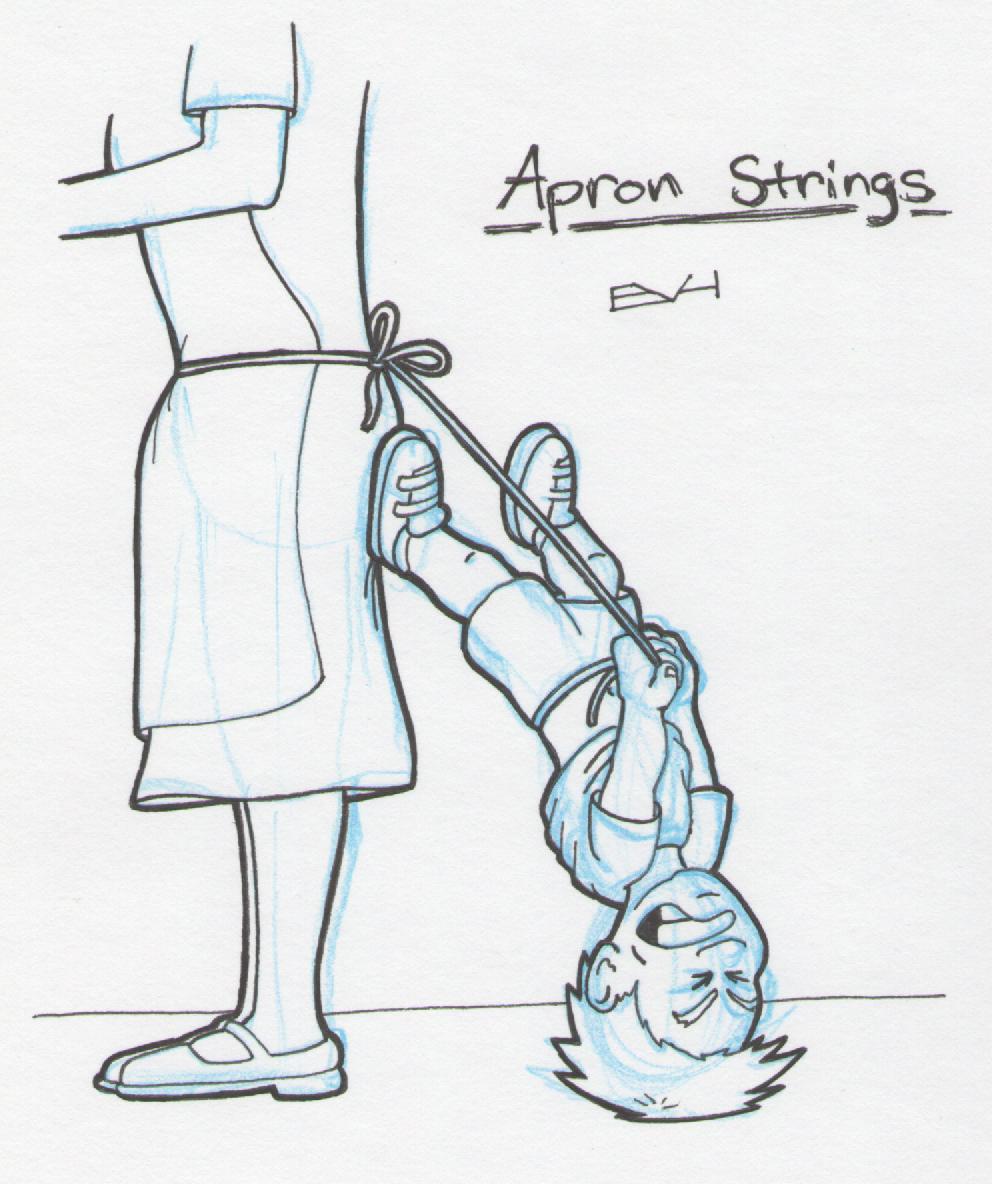
The title refers to the $157,000.00Ai?? HUB (a non-profit cycling society) gets from the cash strapped TransLink.
The lesson to be learned is that many people who are nay-saying light rail in Vancouver and/or posting anti tram nonsense are members of HUB, which I think, puts them in a conflict of interest.
One could say that TransLink’s apron strings are quite long.
A Replacement For the Fraser River Rail Bridge?

Interesting article in the Vancouver Sun that Surreyai??i??s light rail bid could have edge in federal funding over Vancouverai??i??s Broadway subway line.
What is of more importance for Rail for the Valley is the replacement of the decrepit Fraser river rail bridge which lies in the shadows of the Patullo Bridge. The present single track Fraser river rail bridge must be replaced by a minimum three track span to cater to three railways, Amtrak, and future RftV tramtrain service from Vancouver to Chilliwack.
Zwei has always advocated for a combined road/rail bridge to replace both the Patullo and Fraser Rial bridges and now with Federal financial input, our regional politicians must vigorously advocate for it.
Then how about some federal dollars, say $500 million or soAi?? and invest in a start-up Vancouver to Chilliwack Interurban service using diesel tramtrains, using the new rail bridge. In other words, a new TramTrain service to connect all those Torry ridings in the Fraser Valley to Vancouver, so people can easily access sporting venues; medical facilities; YVR; etc.
Simple and affordable is the hallmark of a good transit project and a new combined road/rail bridge could do just that..
Surreyai??i??s light rail bid could have edge in federal funding over Vancouverai??i??s Broadway subway line
Conservative-friendly Metro suburbs may have advantage over Vancouver for new project dollars
By Peter O’Neil, Vancouver Sun
Foreground and lower in the photo, the 100-year-old railway swing bridge in Westminster, which could end up on Ottawaai??i??s infrastructure list. Behind it are the Pattullo Bridge and the SkyTrain bridge.
Photograph by: ian lindsay, Vancouver Sun
OTTAWA ai??i?? B.C. municipal leaders are gearing up for an announcement on how the Harper government plans to spend its $14-billion, 10-year, Building Canada Fund that starts April 1.
Metro leaders have a pretty good idea what Ottawa wonai??i??t fund.
The Harper government has signalled disdain for having federal taxpayers subsidize projects like the proposed new $350-million Vancouver Art Gallery.
Instead, look for projects that play into the Conservative focus on economic growth and international trade ai??i?? bridges, tunnels, other transportation projects, sewage treatment.
Politics could play a role, given the addition of five new House of Commons seats in the communities around Vancouver. The Conservatives hope to win those seats as part of their plan to secure another majority in 2015.
That means Surreyai??i??s request for federal help for $1.8 billion in light rapid transit could have an edge over Vancouverai??i??s bid for a $2.4-billion subway along the Broadway corridor (in a relatively Tory-unfriendly city).
ai???In the end, thereai??i??s only so much money and thereai??i??s always somebody who will go first and someone who will go second,ai??? said Vancouver councillor Raymond Louie, who is also vice-chair of Metro Vancouver and second vice-president of the Canadian Federation of Municipalities.
Louie said, for instance, that proponents of the new art gallery may have trouble finding a suitable federal funding mechanism.
“I’m not sure where the money would be pulled from,” he said.
Louie said heai??i??s confident, after discussions with federal ministers, that merit will trump politics when the federal government chooses projects to fund.
A spokeswoman for Infrastructure Minister Denis Lebel, Michele-Jamali Paquette, would only say Tuesday that the government will make an announcement ai???soonai??? on how the Building Canada Fund will work.
Of the $14 billion, $10 billion is expected to go, on a per capita basis, to provinces and territories for ai???highways, public transit, drinking water, waste water, connectivity and broadband, and innovationai??? projects, according to the federal budget.
The other $4 billion will be for projects of ai???national significance.ai??? B.C. ai??i?? as the transportation corridor serving the governmentai??i??s Asia-focused export strategy ai??i?? is expected to get at least a per capita share.
Among the big-ticket items that could receive federal funding in the Lower Mainland:
ai??? The proposed $560-million Lions Gate sewage treatment plant is probably the least contentious, as it has the support of all members of the Metro Vancouver government.
ai??? Replacement of the 110-year-old rail bridge next to the Pattullo Bridge in New Westminster, projected to cost more than $100 million, is expected to get serious consideration given the growing profile of rail transport and rail safety.
ai??? Premier Christy Clarkai??i??s proposed bridge to replace the George Massey tunnel is estimated at $3 billion, and Louie said there are concerns among municipalities that it will drain money away from municipal priorities.
Bickering aside, Canadaai??i??s increasingly influential big-city mayors have to be at least somewhat satisfied in succeeding, after years of lobbying, in getting a commitment to stable long-term funding.
Including the Building Canada Fund, Ottawaai??i??s infrastructure program is worth $53.5 billion over $10 years. If spent on a per capita basis, about $6 billion would come to B.C.
Another major part of the program is the $32.2 billion Community Improvement Fund. Two thirds of it comes from the gas tax fund that funnels $2 billion a year to provinces and territories. The federal government, according to the 2013 budget, wants this money targeted towards ai???highways, local and regional airports, short-line rail, short-sea shipping, disaster mitigation, broadband and connectivity, brownfield redevelopment, culture, tourism, sport, and recreation.ai??? Specific decisions on which projects get money is in the hands of the provinces and municipalities.
Most of the remaining money, $10.4 billion over 10 years, comes from the GST rebate for municipalities program for general infrastructure needs.
While the Conservatives boast that it is the largest infrastructure investment in history, the parliamentary budget officer did a report last spring that suggested the increases are modest compared to past spending. The report, which found that infrastructure spending peaked at $5.2 billion in 2013-14, said it would take $45 billion over the next 10 years just to maintain that spending ai??i?? a figure marginally less than $47.5 billion committed in the 2013 budget.

The Politics of Fear
It seems if all else fails for the TransLink referendum, scare the people to vote for yes for more money. This is called the politics of fear.
The harsh facts are that three LRT lines in Surrey and a SkyTrain subway under Broadway will not alleviate traffic congestion in the region!
To be successful, transit must attract the motorist from the car and if the present $9 billion SkyTrain/Canada Line mini-metro system hasn’t, doing more the same with a Broadway subway and ill planned LRT in Surrey, will not as well.
Transit is a consumer product and yet, no one at TransLink, nor the Cities of Vancouver and Surrey have asked the consumer what he or she wants and for good reason because the transit consumer will want transit investment that will not be in the best political interest.
The Broadway SkyTrain subway is just daft, designed solely for political prestige and the three surrey LRT lines really do not satisfy transit needs. For LRT to succeed in Surrey it must access directly into Burnaby and Vancouver and for a SkyTrain subway under Broadway, there must be at least an average of 15,000 persons per hour per direction to make it viable.
Here is TransLink’s problem, instead of embarking on a radical change to regional transit planning, it is sticking to the script of building massively expensive subways and over engineering LRT to such an extend it can barely be recognizable as light rail, paid for of course, the rubes that Translink perceives what the taxpayer is.
Let’s scare TransLink and provincial and civic politicians by demanding a royal commission on regional transit.

Failed TransLink funding referendum would imperil region’s economy, Vancouver and Surrey mayors warn
By Kelly Sinoski, Vancouver Sun
METRO VANCOUVER — The mayors of B.C.’s two biggest cities say a failed referendum on TransLink funding would ‘imperil the economy’ and make Vancouver uncompetitive, noting major cities around the world are putting investments in transportation.
Both Surrey Mayor Dianne Watts and Vancouver Mayor Gregor Robertson raised concerns that the province has yet to provide a specific question or campaign around the referendum, which is slated to be held during the municipal elections in November.
Robertson said not only does he expect the referendum to fail, but it would likely pit communities against each other during the upcoming election campaign.
“Right now we’re in a slow state of decline,” he said during a panel discussion at the Vancouver Board of Trade on Thursday. “We’re in trouble enough. There’s urgency. It should not be on the local ballot.”
Robertson added there’s a desperate need for TransLink funding, particularly for three rapid transit lines in Surrey as well a connection from the Millennium Line to a new subway along Broadway to the University of B.C. but the issue should be considered separately from the election.
Watts said she’s not even sure what the provincial objective is to go to a referendum. She argued the region’s transportation system should be a collective effort from all three levels of government, and involve a fair and equitable road pricing and land-use policy for the next 20 to 30 years.
Different cities have different reasons for more transit, she added. Vancouver needs transit to serve demand, while Surrey needs it to shape it. Yet the Port Mann Bridge and Massey Tunnel, for example, are a provincial responsibility, while TransLink has control of the Patullo and Golden Ears bridges.
“It’s a mishmash of nonsense,” she said. “There has to be a master plan that brings together all the plans in a comprehensive way forward for infrastructure and sustainable funding for it.”
Watts said if she were drafting the referendum question, it would likely ask if the public was interested in reducing gas taxes, capping the three per cent property tax for TransLink and supporting a fair and equitable road pricing policy that would likely see $1 tolls on every crossing rather than “tolling single pieces of infrastructure at a high rate.”
“It is not fair, it is not equitable and it penalizes people,” she said. “Everyone uses the infrastructure regardless of where it’s at in the region.”
Dr. Peter Hall, associate director of urban studies at Simon Fraser University, warned a failed referendum “it could have negative consequences for the entire province.”
Economist Ken Peacock said there is still some time to get the funding sources in place but acknowledged some of the decisions made this year will have “long-term impacts.” If don’t get new revenue sources will see more congestion and waits at bus stops.
But he said the politicians should not rule out the public savvy. “We may be surprised. The public is a lot more in tune than politicians give them credit for,” he said. “They drive the roads every day.”
More to come
Ai?? Copyright (c) The Vancouver Sun
Clarity With Transit and TransLink ….. Ha, Ha, Ha!
The TransLink referendum continues to provide angst with politicians and TransLink and so it should, because both parties really haven’t a clue about public transit.
The new Chair of TransLink, Marcella Szel.Ai?? A former Canadian Railway executive and Port Authority director, has absolutely no background in urban transit and seems to have been chosen because, jolly gee-whiz, she was with a railway company and Skytrain is a railway, she must be an expert. Zwei thinks it just a patronage position and given so the “good ole’ porker” can feed off the public trough.
Here we demonstrate the real problem with Translink and the TransLink Board, they are not urban transit experts, nor do they seem to even understand urban transportation issues and are there to ‘rubber stamp’ the provincial governments desires.
Memo to Ms. Szel; “ The real problem is Skytrain and light metro and when Translink ceases planning for SkyTrain orAi?? heavy-rail metro designed as light-metro, or LRT designed as a light-metro, and only plan for light rail, only then will TransLink’s finical ills will ease.”
Until Szel and the rest of the TransLink board understand the problems, a fencepost with hair could do an adequate job as Translink Chair.
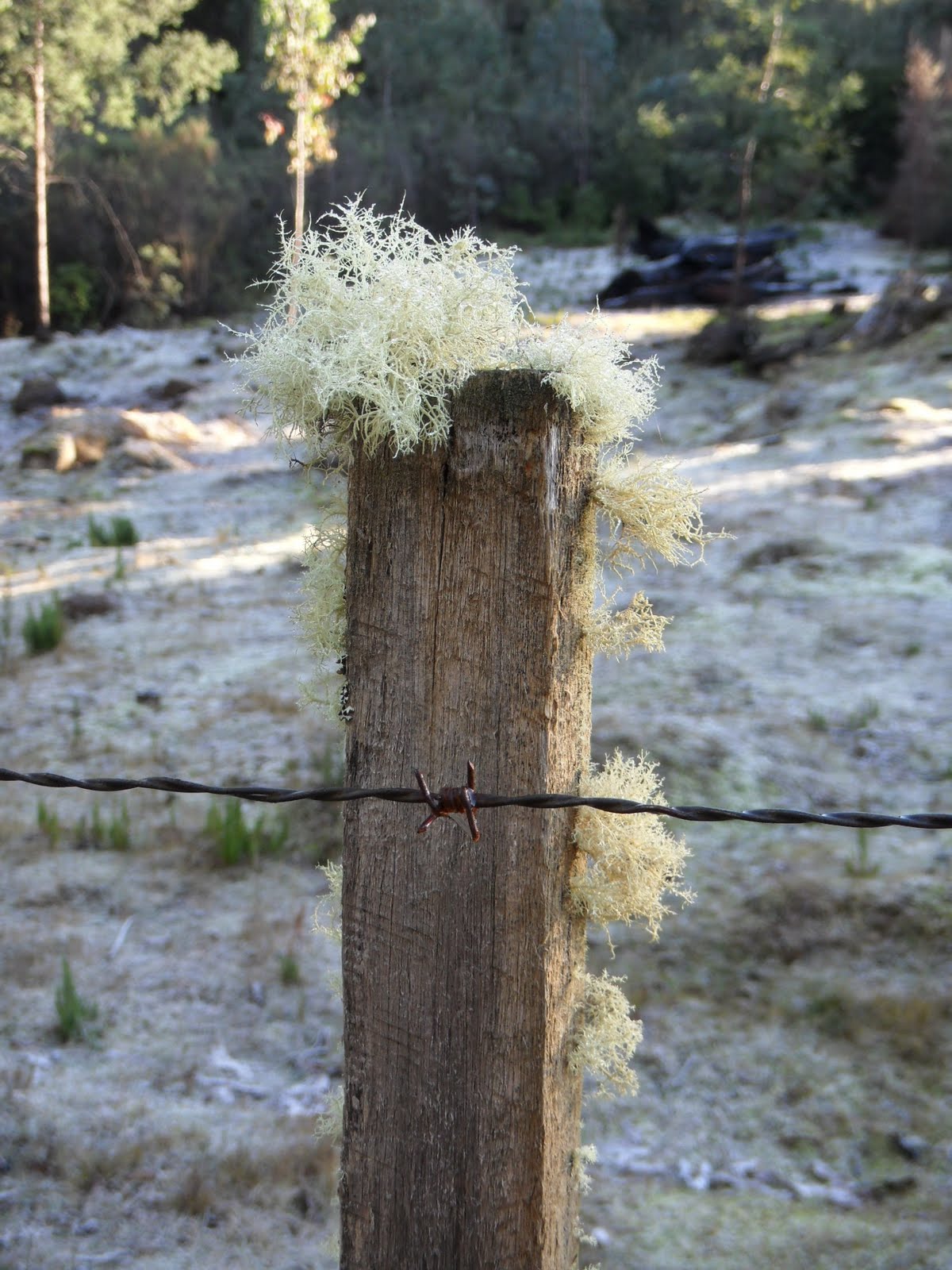 A fencepost with hair could do an adequate
job as Chair of Translink.
Waiting for clarity on transit referendum: TransLink Chair
Province has yet to give any details
Jason Howe January 16, 2014
VANCOUVER (NEWS1130) ai??i?? The longer we wait, the harder it gets, that is from TransLink, as we continue to wait for any sign of clarity about a plan by the provincial government to hold a transit funding referendum.
Publicly, itai??i??s mostly been a disagreement between the mayors and the province, from the date of the referendum, to the type of question, to whether we should even have a referendum at all.
Amid all this, Marcella Szel has come in to take over as TransLinkai??i??s new chair.Ai?? She says her group is on board with everyone else who wants details.
ai???I think itai??i??s frustrating for everybody who is waiting to try to understand what exactly the question might be and what exactly you have to think about.Ai?? What are the issues on the table that people are going to have to decide?ai???
Szel says timing is important.Ai?? ai???Waiting is not helpful because the more lead time you have in understanding what the issues are that you can deal with, the more time you have to make sure you understand those issues.ai???
The Transportation Ministry says details are still being worked out.Ai?? The mayors are meeting next week.
Hot topic
Meanwhile, the issue of transit on the Lower Mainland will be among the topics at the Vancouver Board of Tradeai???s annual economic outlook forum today.
Anne McMullin from the Urban Development Institute says politicians seem to be putting the cart before the horse when it comes to the funding referendum.
ai???We seem to be focusing so much on the referendum itself rather than what does transportation look like for the region and then perhaps a question comes out of that.Ai?? But itai??i??s difficult to say will it pass or fail when we donai??i??t even know what it is.ai???
She adds itai??i??s hard to get cities that are focused on their own needs to agree to a regional plan.
The Novice’s Guide toTransit Updated
or cutting through the BS about light rail, SkyTrain and BRT.
The following is a guide plus definitions about transit.
ALM: Automatic Light metro, the fourth marketing name given for the SkyTrain family of light-metros, when Lavalin briefly owned SkyTrain before gong bankrupt.
ALRT (1): Advanced Light Rail Transit, the second marketing name for SkyTrain.
ALRT (2): Advanced Light Rapid Transit, the third marketing name for SkyTrain, when Advanced Light Rail Transit failed to find a market.
ART: Advanced Rapid Transit, the fifth marketing name for SkyTrain, used by its current owners, Bombardier Inc.
Automatic (Driverless) Operation: A signaling system that permits train operation without drivers. Contrary to popular myth, automatic operation does not reduce operating costs because there are no drivers, because attendants must be hired insteadAi??to permit safe operation. Automatic signaling was signed to reduce signaling staff, not operation staff.
 Bus Rapid Transit (BRT): Generally means ai???Express Busesai???, a true BRT needs a very expensive and land consuming busway or highway or be guided.
Ai??Bored tunnel: A tunnel boring machine also known as a “mole”, is a machine used to excavate tunnels with a circular cross section through a variety of soil and rock strata. They can bore through anything from hard rock to sand.
Busway: A route needed for BRT. Busways can be conventional HOV lanes or exclusive roads for buses. Busways can be equipped with raised curbs or rails for bus guidance.
Canada Line: Vancouverai??i??s third metro line which is a grade separated EMU operation and is not compatible with the rest of the SkyTrain systemAi??in operation.
Capacity: A function of headway multiplied by vehicle capacity, which in turn is dependent on station station platform lengthAi?? measured in persons per hour per direction.
Consultation: To sell a transit decision to the public after the decision has been made.
C-Train: The Calgary light rail system.
Cut and cover: A method of building a tunnel by making a cutting, which is then lined and covered over. (Civil Engineering) designating a method of constructing a tunnel by excavating a cutting to the required depth and then backfilling the excavation over the tunnel roof
Evergreen Line: The 11.4 km unfinished portion (under construction since 2013) of the old Broadway/Lougheed Rapid Transit Project. When the NDP forced the SkyTrain Millennium Line onto Translink, there was not the money left order to complete the line to the Tri-Cities.
Expo Line: The first SkyTrain line built, completed in late 1985. The ExpoAi??was built inAi??in three sections. The Waterfront to New Westminster section (cost a much as LRT from Vancouver to Whalley, Lougheed Mall and Richmond Centre), theAi??SkybridgeAi??section across the Fraser river to Scott road Station, and the final section to Whalley in Surrey.
 Grade: The vertical rise of a railway track, normally given in a percentage (1% grade = a 1 metre rise in 100 metres). Industry standard grade for LRT is 8%; Sheffieldai??i??s LRTAi??operates onAi??10% grades; the maximum grade for a tramway is located in Lisbon, where the streetcars operate, unassisted, on 13.8% grades.
Goebbels Gambit: The fine art of repeating a lie often enough that it is perceived as the truth.
Guided Bus: A BRT that is physically guided by either a raised curb or a central rail. Some guided buses are considered monorails.
Headway: The time interval between trains on a transit route.
Hybrid: A transit system that is designed operated asAi??a LRT/light metro mix. Generally very expensive as it uses the most expensive features of both modes.
 ICTS: Intermediate Capacity Transit system, the first name SkyTrain was marketed by.
Interurban: An early streetcar which operated at speed on its own R-o-W connecting urban centres.
 Light Rail Transit (LRT): A steel wheel on steel rail transit system that can operate economically on transit routes with traffic flows between 2,000 pphpd to over 20,000 pphpd, thus bridging the gap on what buses can carry and that which needs a metro. A streetcar is considered LRT when it operates on reserved rights-of-ways or R-o-Wai??i??s for the exclusive use of the streetcar/tram. Number of LRT/tramways in operation around the world 461; light railways (many use LRVai??i??s) ai??i?? 119; heritage lines ai??i?? 60.
Light Metro: A transit mode, generally a proprietary transit system, that has the capacity of LRT,Ai??at the cost of a heavy-rail metro.
Light Rail Vehicle (LRV): A vehicle that operates on a LRT or streetcar line. Also called a streetcar, tram, TramTrain or interurban.
Mass Transit: A generic term for heavy-rail metro. See rapid transit.
MAX: The Portland Tri-Met LRT system.
Metro: An urban/suburban railway that operates on a segregated R-o-W, either in a subway or on a viaduct, due to long trains (5 cars+) and close headways. There are 174 heavy/light metros in operation around the world.
Millennium Line:Ai?? The second SkyTrain Line built, using the new Bombardier ART cars.
 Monorail: A transit mode that operates on one rail. There are two general types of monorail: 1) hanging monorail and 2) straddle beam monorail (not a true monorail). Some proprietary BRT systems are also classed as monorail.
Priority Signaling: A signaling system that gives priority to transit vehicles at intersections.
Proprietary Transit System: A transit system who rights are exclusively owned by one company. Transit operations who operate proprietary transit systems must deal with only one supplier.
Rapid Transit: A generic term for metro. See mass transit.
Reserved Rights of Way: An exclusive R-o-W for use of transit vehicles, can be as simple as a HOV lane (with rails for LRT) or as elaborate a a lawned boulevard or a linear park complete with shrubs.
 SkyTrain: An unconventional proprietary light-metro, powered by Linear Induction motors, marketed by Bombardier Inc. Currently there are 7 SkyTrain type transit systems in operation around the world. ICTS ai??i?? 2; ALRT (1 & 2) ai??i?? 1; ART 4.
 Streetcar: A steel wheel, on steel rail electric (also can be diesel powered) vehicle that operates in mixed traffic, with little or no priority at intersections. Also known as a tram in Europe. Streetcars become LRT when operating on reserved R-o-Wai??i??s.
Subway: An underground portion of a rapid transit line. Subways may either be bored or cut and cover or a combination of both construction methods.
TTC: The Toronto Transit commission.
Tram: European term for streetcar, as the Europeans do not use the term LRT.
 TramTrain: A streetcar that can operate on the mainline railways, operating as a passenger train.
TransLink Speak: The lexicon used by TransLink to mask problems. Example: medial emergency on SkyTrain means a suicide.
 Viaduct: A viaduct isAi??a bridgeAi??composed of several small spans.



Recent Comments