China’s Loneliest Subway Station
Metro madness gone wild in China.
Looking like a set from a Sci-fi series, building a subway, for the sake of being a subway, has major financial consequences.
Let us not make the same mistake in Vancouver, where transit traffic flows along Broadway are less than a third that would justify a subway.

Take a look around China’s loneliest subway station
by Alex Linder in News on May 9, 2017 10:55 pm
Photos have gone viral on the Chinese internet showing a metro station in Chongqing that was apparently constructed in the middle of nowhere.
Located on Chongqing Metro’s Line 6, Caojiawan Station was finished back in 2015. Of its three planned exits, only one is currently is in use, the other two being overgrown with weeds and shubbery. Still, even that one exit might be overkill.
After leaving the metro station, passengers enter a barren wasteland. The station is not connected to any major roads, meaning that commuters have to rely on a van service to get the rest of the way home.
A worker at the station told the Chongqing Morning Post that often there are no passengers to be found inside the station at all.
Here’s a photo taken during rush hour.


A Subway Conversation Unheard in Vancouver
Subways sound great – at first, but when the realities of subway operation, including extremely high costs and user unfriendliness, the love affair with subways tend to wane with customers.
The huge cost of subway construction, means economies must be had and in Scarborough, those economies mean a lack of stations. Subway stations are both extremely expensive to build and extremely expensive to operate. This means the line will only have one station. It will give a fast journey time, but the time to get to the station will, in most cases, negate any time gained by a one stop subway.
What attracts people to transit?
Just about every study done on public transit point to user friendliness and ease of use as the prime reason for taking public transport.
A one stop subway is not user friendly, deterring ridership and in the end those politicians who championed a subway so they can cut ribbons at election time, maybe instead cutting their chances for reelection.
In Vancouver though, the mainstream media, a corporate controlled press, do not ask questions about transit and those politicians and their land developer friends have ensured no debate on subways will take place.
Here lies the problem with TransLink and transit in Metro Vancouver, politicians will not allow honest debate on transit, which causes the taxpayer to vote no in plebiscites.
Even the voters in Liberal friendly areas dumped the Minister responsible for transit in the last election!
What does it take for politicians to understand that the public has absolutely no confidence in transit, TransLink nor the people who run it!
And that is what the corporate controlled media and politicians are deeply afraid of.

Cut and cover subway construction, coming to Broadway very soon.
Scarborough residents question why subway plan gives them just one new stop
Critics shout down staff and local Councillor Glenn De Baeremaeker as they challenge wisdom of replacing five existing Scarborough RT stops with one subway stop.

At a public consultation on the Scarborough subway extension, disgruntled residents were told the budget leaves no money left to rough in future stations. Building stations later would cause the line to shut down for several years, TTC project manager Rick Thompson explained.Ai??Ai??(Andrew Lahodynskyj / Toronto Star file photo)Ai??
By Jennifer PagliaroCity Hall reporter
Wed., May 10, 2017The people want more than a one-stop subway.
That was the prevailing message from a packed meeting at the Scarborough Civic Centre during a public consultation on the next phase of planning for an extension of the Bloor-Danforth line to the Scarborough Town Centre.
Residents and subway critics at times shouted down staff and local Councillor Glenn De Baeremaeker as they questioned the wisdom and fairness of replacing five existing Scarborough RT stops with just one new one.
The current plan, approved by a majority of city councillors, is to build a single stop at the end of a 6.2-kilometre tunnelled extension. An early estimate puts the cost of that extension at $3.35 billion, but that figure is considered preliminary and expected to rise.
That, disgruntled residents heard, has left no money to rough in future stations. Building stations later would cause the line to shut down for several years, TTC project manager Rick Thompson explained.
ai???It is so distressing that you forget everyone out here on this end,ai??? one resident said to loud applause. ai???Itai??i??s totally inappropriate to be served by one subway extension.ai???
Responding to concerns about a single new stop, Mike Logan, from the cityai??i??s planning department, explained the subway extension was conceived of as part of a larger network, including a proposed 17-stop extension of the Eglinton Crosstown LRT, whatai??i??s being called the Eglinton East LRT.
ai???Those are all funded?ai??? someone from the audience shouted about the additional lines.
Logan explained that only the subway is fully funded with $3.56 billion committed from all three levels of government.
ai???The stations are so far apart in Scarborough,ai??? another resident shouted from the back. ai???All the rest of the city gets them close together . . . Do we not count like the rest of the city?ai???
De Baeremaeker said he continues to believe a four-stop subway should be built. He blamed ai???downtown councillors,ai??? who represent the most densely populated wards in the city, for not wanting to fund more frequent transit stops like their residents enjoy.
ai???Iai??i??ve been moving heaven and earth to try to get more stations and more money,ai??? said De Baeremaeker, appointed to champion the subway plan by Mayor John Tory, who was elected on a pledge to advocate for ai???One Toronto.ai???
De Baeremaeker blamed a ai???suburban/urban divideai??? for Scarboroughai??i??s woes.
ai???You talk to my downtown colleagues, thereai??i??s no way theyai??i??re giving us money,ai??? for more stops, De Baeremaeker said. ai???In fact theyai??i??re still trying to stop this one.ai???
A man in the audience stood several questioners later to address De Baeremakerai??i??s points:
ai???I think Councillor De Baeremaeker is misleading us when he says the downtown councillors wonai??i??t afford more money for more stops. What the downtown councillors and many others . . . wanted to do was build a network of rapid transit all over Scarborough, but Councillor De Baeremaeker and his allies prefer to spend all the money available on just the one stop subway.ai???
Several members of the TTCRiders advocacy group commented on how a comparison to the previously-planned seven-stop LRT to replace the SRT ai??i?? what was fully funded by the province ai??i?? was never done and questioned why the options presented at the meeting failed to show all the alternatives.
Council voted in March to reject a request for that cost-benefit comparison and to move forward with the one-stop plan in its absence.
Logan explained to the room that staff had never been directed to do that study.
Staff are now conducting a mandatory environmental assessment of the subway extension. Critics say the province should insist on a comparison of the extension to the light-rail alternative.
The province, which under Liberal Premier Kathleen Wynne has campaigned for a subway while fighting recent by-elections, has signalled they are not interested in that comparison.
An Election come And Gone

Just brief notes on the election or deciphering the entrails before they get cold.
It seems the SkyTrain/TransLink curse has now caused the Liberal Minister responsible for TransLink, Peter Fassbender to lose his seat.
Regional transportation has been made the “kiss of death” for politicians by successive NDP and Liberal governments and combined with weak leadership and management in TransLink has made TransLink a black hole for just about everyone.
By forcing politically motivated transit construction onto TransLink, without any public debate only exacerbates the situation.
On Vancouver Island, E & N politics or lack there of, by the Liberals, helped the NDP secure needed seats.
The Fraser River replacement bridge for the Massey Tunnel, will be a hot topic as massively escalating costs and questionable benefits, other than letting massive tankers and colliers ply the Fraser, may be mothballed for now.
The Regional Mayor’s Ten Year transit plan is in jeopardy as the two major pieces, the Broadway Subway and Surrey’s lackluster LRT, come under greater scrutiny, especially with another plebiscite promised by the Liberals. Another plebiscite will once again doom financing and with no plan B, rubber on asphalt will become the the transit mode of choice.
The Greens must join in a coalition with the NDP to both gain credibility and sustain a change of government and government priorities and if they join the Liberals, they will be toast in the next election.
The NDP must shake off the phantom of previous bad transit decisions and look at workable and affordable transit solutions that may be contrary to local regional thought. Hint: Transit is built to move people, not to sell condos.
The Liberals, have shown no interest in regional transit, will continue to show no interest in regional transit, instead preferring vanity mega bridge and highway projects.
Road pricing has been put on a pedestal of being the great transit panacea, its not and for regional road pricing to work, taxes must be shifted off gas (gas taxes are road pricing) onto a distance based system. For real road pricing to be accepted by the population, an affordable public transit alternative must be in place. The region doesn’t have, nor is one being planned for and this must change.
The Leewood/Rail for the Valley Transportation study would give the best bang for ones buck by linking communities from Vancouver and Richmond to Chilliwack. Support for Leewood/RftV TramTrain could prove to be an electoral winner, by giving the region over 130 km of rail transit, at half the cost of a 7 km Broadway subway to Arbutus and or a poorly planned LRT in Surrey.
The Leewood/RftV TramTrain study just makes sense in today’s world and if the NDP or Greens could grasp the importance of this, they may be able to secure Liberal seats in the upper Fraser Valley.
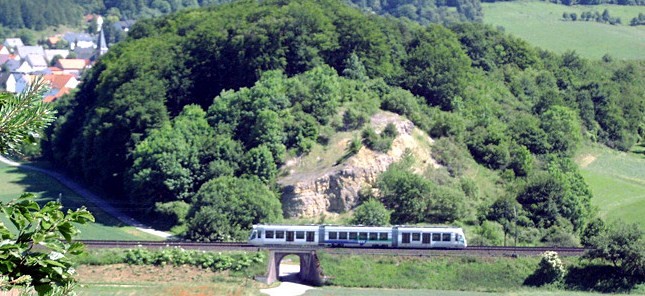
TramTrain, a cost effective way to deal with local transportation congestion.
Proposed Massey Tunnel Bridge Replacement Is Now Said To Be $8 Billion More!
$8 billion is a lot of ‘spreadin around‘ money and $8 billion for one bridge seems a tad pricey.
This bridge is not about traffic congestion or better transportation, this bridge is a gift to the Vancouver Port Authority so massive Panama Max. and Cape Max. colliers and tankers can navigate up the Fraser to load LNG, American Brakken Oil and thermal coal at Surrey Fraser Docks.
At present, the tunnel acts as a dike, preventing deep draft vessels up the Fraser.
Memo to Delta Mayor Lois Jackson: Stop taking orders from Victoria and do what is best for Delta and reject the bridge.
Memo to Liberal candidate Ian Patton: Isn’t this bridge a little pricey so farmers can take their farm machinery to Richmond?
Memo to transit users: $8 billion could buy one hell of a lot of public transit in the region.
Memo to South Delta voters: you are being duped as:
- The new bridge will only move gridlock a few km North. Gridlock will be massive crossing the North Arm of the Fraser River to Vancouver.
- LRT is not being planned to South Delta, as it has never been planned for nor is there any money to make it happen. This promise makes nice “elect me” stories, which are nothing more than massive fibs.
- If the Liberals really wanted to improve transit in South Delta, compel TransLink to bring back the direct express buses that went from South Delta to Vancouver, without forcing people to transfer to the Canada Line in Richmond. It is, what the transit customer wants.

BC NDP say George Massey Tunnel replacement will cost $8-billion
Vancouver, BC, Canada / News Talk 980 CKNW | Vancouver’s News. Vancouver’s TalkPosted: May 05, 2017

A leaked document released by the BC NDP says the George Massey Tunnel replacement bridge will cost a lot more to finance the project than the promised $3.5-billion.
The document shows total interest costs from 2017 to 2068 are forecasted to be $8-billion.
That figure includes long-term bonds, short-term loans, and borrowing from a private partner.
In a statement, the BC Liberals fired back admitting to a loan but didn’t reference an amount.
READ MORE: Construction on controversial Massey Tunnel replacement to officially begin
Delta’s mayor Lois Jackson has been in favour of the project and says playing politics over this project before an election is wrong.
“They are playing politics with this and I think it is very wrong, as a Mayor’s council, that they are taking a position of this nature”, says Jackson.
“It’s election time and I really don’t believe the figures, Sorry.”
Construction on the project began last month.
If Children Can do It, So Can We!
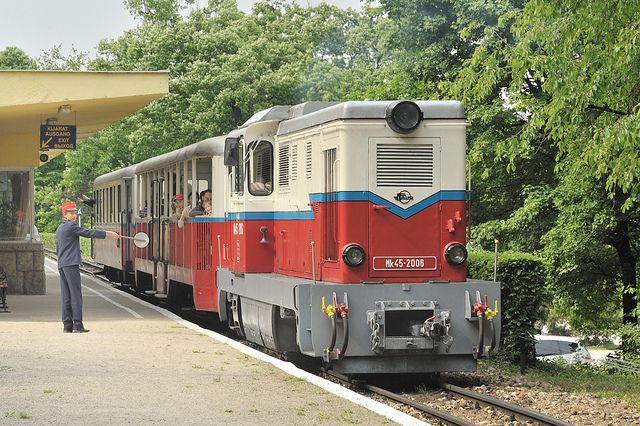
An interesting article about Hungary’s “Children’s Railway”.
Light reading for the weekend.
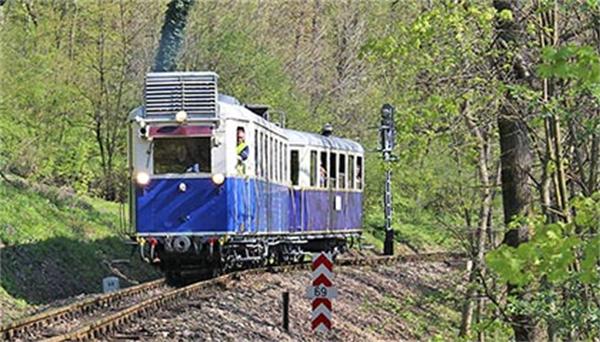
The Rail Line Operated By Children.
By Mike MacEacheran, BBC
5 May 2017With its shelves lined with worn textbooks and corridors plastered with drawings, noisy GyermekvasA?tas Otthon on the western outskirts of Budapest seems like any normal school before the bell rings. Peer through the windows and you may see muss-haired children sitting on desks, teasing friends, toying with mobile phones or doodling in jotters as they wait for the day to begin.
But look closer and youai??i??ll notice something odd. Those textbook subjects arenai??i??t algebra or English. Instead they bear the stamp of MA?V START Zrt, the Hungarian State Railways. By the whiteboard, past the teacherai??i??s desk, a cartoon poster reveals the detailed safety procedure for what to do when a deer ai??i?? or more commonly a hedgehog ai??i?? strays onto the tracks and into harmai??i??s way. Next to it is a blueprint for the inner workings of the ultimate big toy: a locomotive engine.
Located in the suburbs at the end of the HAi??vAi??svAi??lgy tram line ai??i?? one of 10 metro and suburban lines in Budapest ai??i?? GyermekvasA?tas Otthon isnai??i??t a learned place of academia. Itai??i??s an extracurricular training ground for the 11.7km GyermekvasA?t, or Train Line 7. Travelling at 20kmh over the contours of the Buda Hills to SzAi??chenyi Hill on the forested outskirts of the city, this tram line is one of the longest and fastest of its kind in the world. And itai??i??s entirely run by children.
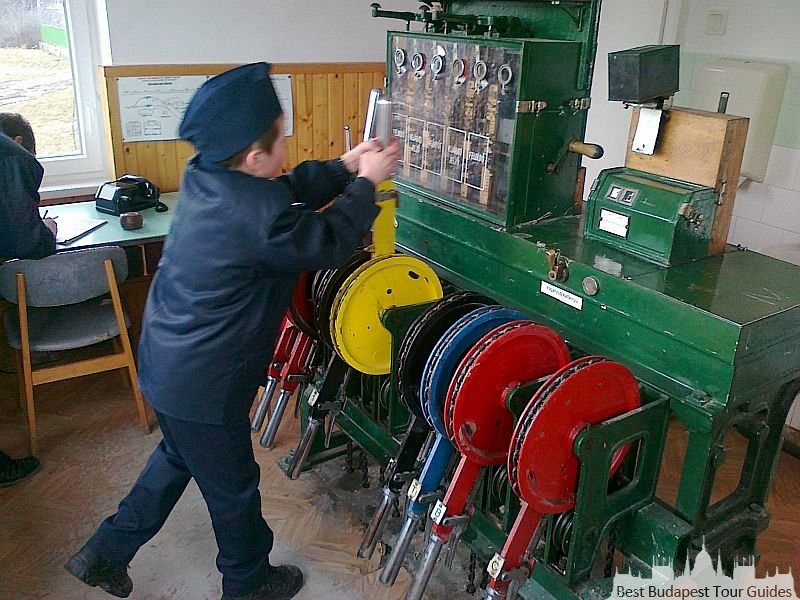
The Second letter Sent To Surrey Council
April 18, 2017
The second letter sent by Malcolm Johnston to Surrey council and a possible solution for South of the Fraser transportation woes.

Mayor and council;
Two weeks ago I sent a letter to Mayor and Council about modern light rail and this letter is a follow up.
Our urban transit planning is an expensive mess because those who plan for public transit, have no foundation for planning public transit. Unlike Europe, BC and Canada do not have university courses in urban transport, nor offer university degrees in modern public transport and a great many graduate planners have little or no knowledge of modern public transportation philosophy and because of this, fundamental errors are being made to long term transit planning.
Our regional transportation ills started when the then Social Credit government forced the proprietary Advanced Light Rail Transit light-metro system on the GVRD instead of originally planned for LRT.
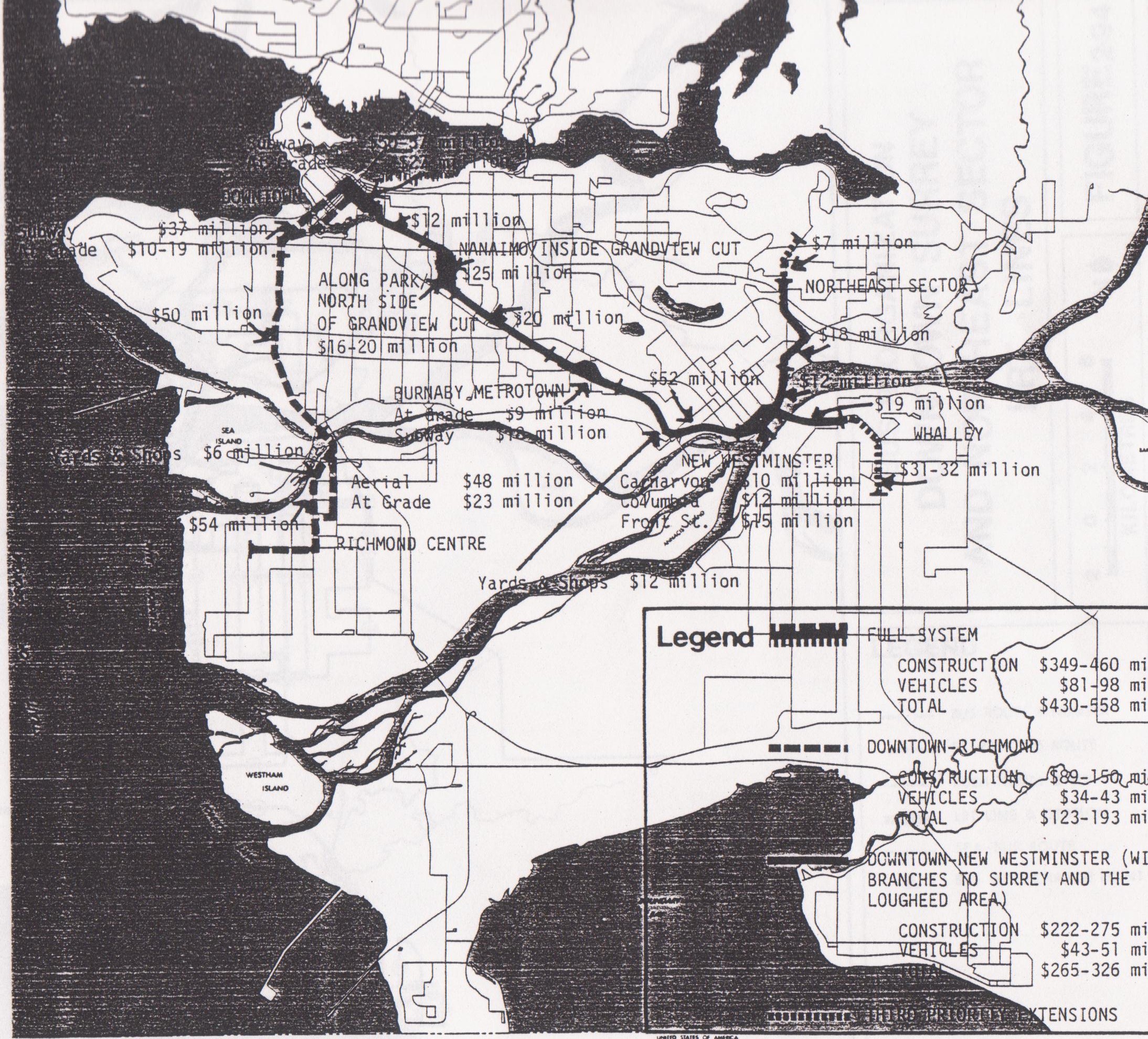
The problem was, for the cost of LRT from Vancouver to Richmond and from Vancouver to Surrey and Lougheed mall, via New Westminster, all we got ALRT from Vancouver to New Westminster.
What the public was not told, was that ALRT was really the renamed Ontario governmentai??i??s Crown Corporation, the Urban Transportation Development Corporation, unsellable Intermediate Capacity Transportation System or ICTS.
ICTS was designed to be a bridge between what the maximum loads that could be carried by Toronto Streetcars and that of a metro or subway.
Modern LRT, with longer articulated cars, effectively and affordably bridged this gap and the need for ICTS disappeared almost overnight.
What sealed ICTSai??i??s demise was the Toronto Transit Commissionai??i??s Accelerated Rapid Transit Study (ARTS) found that:
ai???ICTS could cost as much as ten times as much as a conventional light rail line to install, for the same capacity, or, put another way, ICTS cost more than a heavy rail metro with four times the capacity.ai???
From the original 1978 GVRD Study for LRT, with estimated costs included.
The UDTC quickly renamed ICTS to Advanced Light Rail Transit, to compete against modern LRT and quickly cut a deal with the BC Social Credit government to build with the newly renamed ALRT, in full knowledge that it was a costly proprietary light-metro that was inferior to modern light-rail.
The propaganda campaign commenced creating the SkyTrain myth.
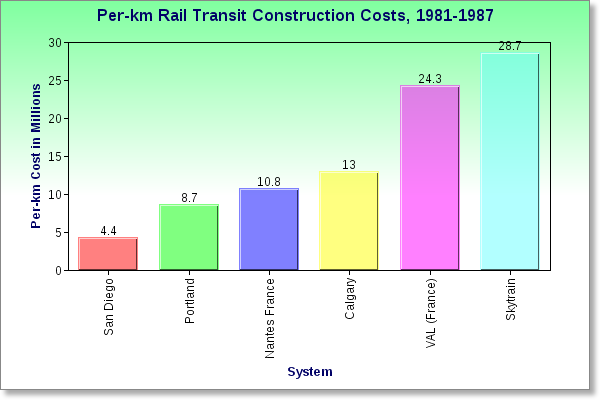
The cost of the original SkyTrain was at least twice the cost of Calgaryai??i??s new LRT and four times the cost of Portlandai??i??s new LRT line.
SkyTrain cost over twice as much as Calgaryai??i??s LRT to build; over four times more than Portlandai??i??s LRT and seven times more to build than San Diegoai??i??s premier LRT line.
As ALRT expanded, it sucked money from the rest of the transit system and prevented affordable transportation planning in the region.
Despite the fact that SkyTrain was heavily marketed and showcased at Expo 86, transit authorities that did proper due diligence rejected the proprietary light metro and Vancouver remained the sole example of ALRT operation.
The UDTC and ALRT was sold to Lavalin, which renamed ALRT to Advanced Light Metro (ALM), but Lavalin became bankrupt, in part, trying to build an ALM line in Bangkok Thailand.
As a result of the bankruptcy, Bombardier acquired the technical patents (the cars) and the Engineering patents (the guideway) stayed with Lavalin when it combined with SNC, to form SNC Lavalin.
Today what was once called ICTS is now marketed as Advanced Rapid Transit.
SkyTrain was so expensive to build, that BCai??i??s Crown Corporations Secretariat stated: Ai??ai???that the only reason rapid transit should be built was for land useai??i??.ai???
Thus the great SkyTrain density myth was created and ai???rapid transitai??i?? was built, not to efficiently and affordably move people, rather to create and increase density.
SkyTrain was not built to satisfy transit customerai??i??s needs, rather developer and land speculator needs!
This set off a chain reaction with many academics, who tried to rewrite the book why ai???railai??i?? transit was built and in doing so dismissed modern LRT as a relic, where in reality, LRT made ALRT a historical footnote!
This is an example of Lysenkoism, (The term Lysenkoism can also be used metaphorically to describe the manipulation or distortion of the scientific process as a way to reach a predetermined conclusion as dictated by an ideological bias, often related to social, academic,l or political objectives.) where the manipulation and distortion of LRT fabricated a predetermined decision to build with ALRT and ART in the Metro Vancouver region and it is still happening with the proposed Broadway SkyTrain subway and Surreyai??i??s LRT.
The taxpayer keeps getting SkyTrain shoved down their throats.
The region needs to rethink on how and why ai???rail transitai??i?? is built as in the real world, ALRT/ART (SkyTrain) has been long rejected by transit planners.
Even the ai???white elephantai??i?? Canada Line, which is just a heavy rail metro, built as a light metro demonstrated that conventional railway was cheaper than ART.
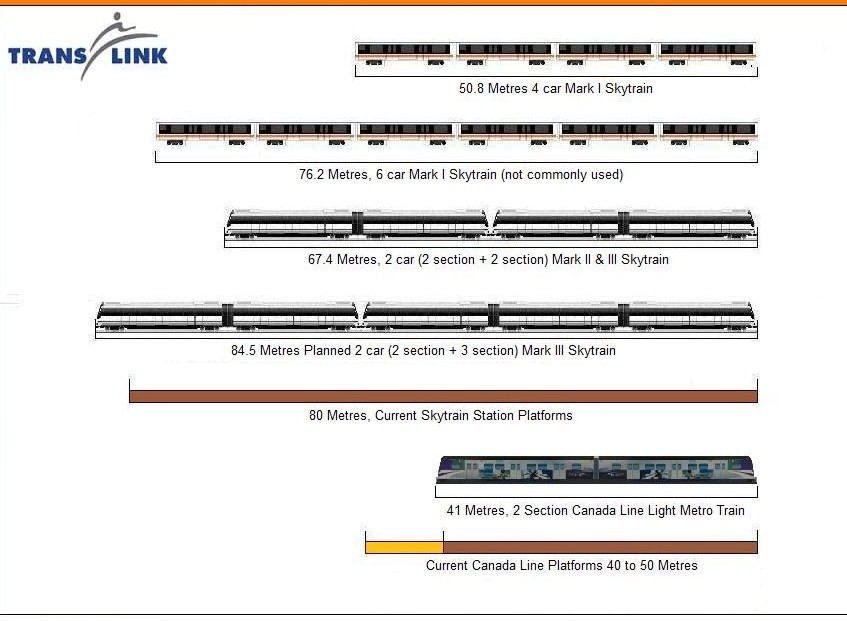
This shows the comparison of MK.1 cars with MK.2 cars and the Canada Line EMUai??i??s. Please note that the station platform lengths, where the Canada line station platforms are half the length of the Expo and Millennium/Evergreen Line station platforms, thus the Canada line can only operate short trains and effectively has little more than half the capacity of the E & M/E Lines.
Questions that must be asked before any more investment for ai???railai??? transit:
Why is TransLink still planning for extremely expensive ART (SkyTrain) in the region, when it has been rejected by transit authorities for over fourty years?
Why have only seven SkyTrain type systems (ICTS, ALRT, ART) been built in the past fourty years?
Why has modern LRT been prevented to compete, by senior governments, against ALRT/ART in those seven application?
The answers are unpalatable for some, including those who cheerlead more building of ALRT/ART, especially in subways. What we call SkyTrain is inferior and expensive transit mode and putting it in a subway is just fiscally irresponsible.
The base principles that should guide transit planning are readily available.
- Good transit provides a network of options that moves masses of commuters effectively where they need to go. Most jurisdictions canai??i??t afford a subway to everywhere so the wise course is to provide movement along the essential corridors where citizens connect.
- In a tight economy, decision makers do cost-benefit analyses and deliver the best bang for the buck.
- And they use universal, tried-and-tested measurements to evaluate options, striving to remove partisan and parochial and political influence from polluting the outcome.
TransLinkai??i??s present planning does not follow this pattern.
Surreyai??i??s LRT is being planned as an appendage to the Expo Line and not a transit system unto itself, which will doom it as a mediocre and expensive transit line.
The major problem confronting TransLink is that the Expo line is at capacity and it will cost between $2 billion to $3 billion to increase capacity on the ALRT/ART lines.
Today, 15,000 pphpd is the upper legal limit allowed on the Expo line. However, itai??i??s not just government paperwork and rules that holdAi??SkyTrain back, other obvious issues come into play.
Unless TransLink plans to seriously change the operating conditions on their operations certificate, higher capacity is just not going to happen. But if TransLink does want to do change things then,Ai??some seriously expensive upgrades need to be done, including power systems, swapping outAi??the out ofAi??date signaling system technology for something newer, big time softwareAi??upgrades, track and switch replacement and wholesale station rebuilding.
It is time to have a complete rethink of Surreyai??i??s planned LRT to make it a successful operation. LRT needs a plan to take Surrey and Langley transit customers, not only to destinations in Surrey, but into Vancouver and this can be done much cheaper than one would think.
After conferring with transit specialist in Canada and Europe, who have very kindly helped me in the past, I offer this three step program for an affordable LRT operation for Surrey and the South Fraser transit customer.
1)The proposed Patullo Bridge replacement must include a heavy- rail crossing (replacing the decrepit Fraser river rail Bridge) for at least two tracks, either in the form of a ai???lift-spanai??i?? or draw bridge. Dutch engineers have made great strides in water crossing, due to the topography in their country and it would be good money invested consulting with a Dutch engineering firm. The GVRD even proposed such a bridge in the late 1970ai??i??s.Estimated cost $1 billion.
Ai??
The GVRD planned for a combined LRT/heavy rail/road bridge in the late 1970ai??i??s
2) A modified and enhanced Leewood/ Rail for the Valley TramTrain (TramTrain: A tram-train is a light rail public transport system where trams run through from an urban tramway network to main-line railway lines which are shared with conventional trains. This combines the tram’s flexibility and accessibility with a train’s greater speed, and bridges the distance between a main railway stations and a city centre.) service from Langley to downtown Vancouver, allowing 20 minute headways, with double tracking in strategic locations, including the Grandview Cut (2.5 km.); Fraser Hwy. and 184th (4.5 km.) and 152nd to King George Hwy, (3.75 km.) using Diesel LRT such as the Stadler GTW which is FRA compliant.Estimated cost $750 million.
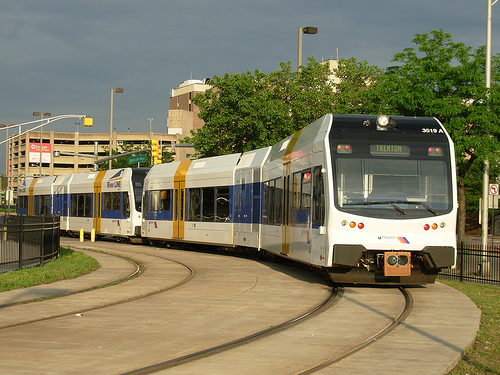
A Stadler GTW diesel LRT in operation in the United States
3) 24 km. White Rock to Surrey Central electric LRT, via 152nd Ave. the SRR of BC (between 152ndAve. and King George Hwy.), then up the King George Hwy. to Surrey Central
Estimated cost $1 billion.
Total Cost including contingency: $3 billion
With the three step transportation program completed, it would provide direct access from White Rock & Langley to Vancouver and, thus benefitting the region with a quality and affordable ai???railai??i?? network.
With LRT, the transit customer in Langley and South Surrey can ride direct to Vancouver, without transfer, in under an hour, which is superior to any plan TransLink has offered.
This plan also offers redundancy in the transit system by having two routes from Vancouver across the Fraser River, especially as the aging SkyTrain is now prone to frequent breakdowns.
The system can affordably expand in the future, to suit the needs of the traveling public. Extending TramTrain service to Abbotsford and Chilliwack would cost under $10 million/km., cheaper than new highway construction.
The cost of the three phase transportation plan would cost about the same as the proposed $3 billion plus Broadway SkyTrain subway and attract far more new customers to public transit.
This plan demonstrates 21st Century public transport philosophy by combining modern LRT with existing infrastructure to provide the transit customer with a quality service that will not impoverish the taxpayer.
This plan should be the vision of the Mayorai??i??s 10 year plan and not the present hugely expensive parochial and politically prestigious transit planning now taking place.
Malcolm Johnston

UK Developer Must Help pay for Rail Connection
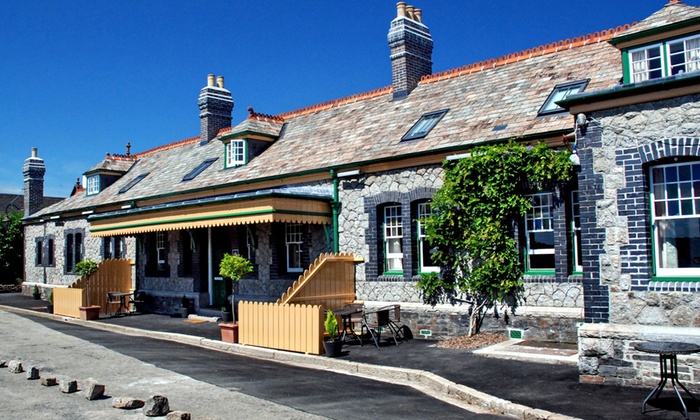
Tavistock Railway Station will be seeing passengers again in 2022!
The UK is reopening once abandoned rail lines to cope with congestion and increased population.
A UK developer must pay A?13.2m (CAD $23.25m) towards the restoration of the Bere Alston Tavistock railway route before building 750 new homes.
This works out to CAD $31,000 per home.
When one looks at the massive developments happening in the Fraser Valley should not developers pay a per house rate to help with the restoration of a Vancouver to Chilliwack interurban!
Example: If 5,000 new homes are built in the Fraser Valley in 2017, then $155m could be raised to fund about 10% the interurban project and in ten years, the project would be paid for without added gas taxes or property taxes.
Something to think about in a region, where inaction to increasing transportation problems associated with increased population, is deafening.
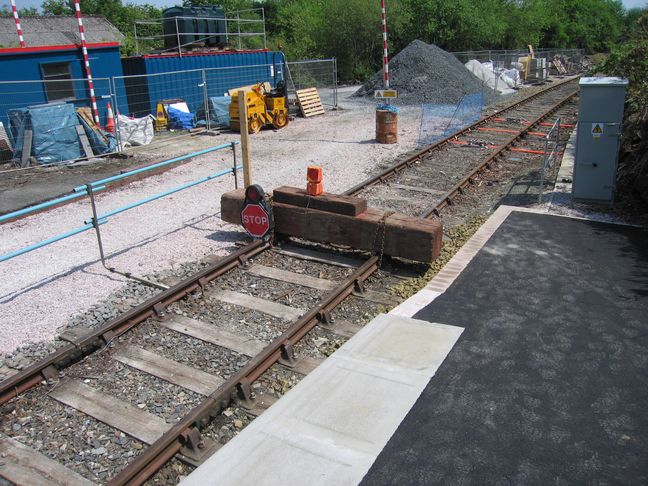
The end of the line today, but not for tomorrow, where the line is being rebuilt to Tavistock.
Tavistock homes approved with rail link clause
A developer has been given planning approval for new homes in a Devon town, subject to it helping fund a rail link.
West Devon Borough Council approved Bovis’ plan for 750 homes in Tavistock on the condition the firm would pay A?13.2m towards the line.
If the rail link was to go ahead it would connect Tavistock and Plymouth via Bere Alston.
Trains stopped running between Tavistock and Plymouth in 1968 as a result of the Beeching cuts.
West Devon Borough Council said the rail link was being developed by Devon County Council and could be in place by 2022.
Bovis hopes to build the homes near Callington Road over the next 10 years.
The NDP Support “Rail” Transit for the Fraser Valley
Well it tool seven long years for this as it is the first time any of the mainstream political parties have even acknowledged the need for a passenger/commuter rail service for the Fraser Valley.
The main contender?
Rail for the Valley’s Leewood Study provides the the fasted and most affordable service and must be considered the prime contender.
if one wants to stop the BC Liberal’s massive highway and bridge building program, one must logically support the Valley interurban and the NDP.
And remember, what is good for the Fraser Valley, is also good for the E&N!

A Novice’s Guide To Transit…………..

ai??i??ai??i??ai??i?? or cutting through the BS about light rail, SkyTrain and BRT.
The following is a guide plus definitions about ai???railai??? transit.
ALM: Automatic Light metro, the fourthAi??marketing name given for the SkyTrain family of light-metros, when Lavalin briefly ownedAi??SkyTrain before going bankrupt.
ALRT (1): Advanced Light Rail Transit, the secondAi??marketing name for SkyTrain.
ALRT (2): Advanced Light Rapid Transit, the third marketing name for SkyTrain, when Advanced Light Rail Transit failed to find a market.
ART: Advanced Rapid Transit, the fifth marketing name for SkyTrain, used by its current owners, Bombardier Inc.
Automatic (Driverless) Operation: A signaling system that permits train operation without drivers. Contrary to popular myth, automatic operation does not reduce operating costs because there are no drivers, because attendants must be hired insteadAi??to permit safe operation. Automatic signaling was signed to reduce signaling staff, not operation staff.
 Bus Rapid Transit (BRT): Generally means ai???Express Busesai???, a true BRT needs a very expensive and land consuming busway or highway or be guided.
Bored tunnel: A tunnel boring machine also known as a “mole”, is a machine used to excavate tunnels with a circular cross section through a variety of soil and rock strata. They can bore through anything from hard rock to sand.
Busway: A route needed for BRT. Busways can be conventional HOV lanes or exclusive roads for buses. Busways can be equipped with raised curbs or rails for bus guidance.
Canada Line: Vancouverai??i??s third metro line which is a grade separated EMU operation and is not compatible with the rest of the SkyTrain systemAi??in operation.
Capacity: A function of headway multiplied by vehicle capacity, which in turn is dependent on station station platform lengthAi?? measured in persons per hour per direction.
Consultation: To sell a transit decision to the public after the decision has been made.
C-Train: The Calgary light rail system.
Cut and cover: A method of building a tunnel by making a cutting, which is then lined and covered over. (Civil Engineering) designating a method of constructing a tunnel by excavating a cutting to the required depth and then backfilling the excavation over the tunnel roof
Evergreen Line: The 11.4 km newly finished portion of the old Broadway/Lougheed Rapid Transit Project. When the NDP forced the SkyTrain Millennium Line onto TransLink, there was not the money left order to complete the line to the Tri-Cities. Now completed.
Expo Line: The first SkyTrain line built, completed in late 1985. The ExpoAi??was built inAi??in three sections. The Waterfront to New Westminster section (cost a much as LRT from Vancouver to Whalley, Lougheed Mall and Richmond Centre), theAi??SkybridgeAi??section across the Fraser river to Scott road Station, and the final section to Whalley in Surrey.
 Grade: The vertical rise of a railway track, normally given in a percentage (1% grade = a 1 metre rise in 100 metres). Industry standard grade for LRT is 8%; Sheffieldai??i??s LRTAi??operates onAi??10% grades; the maximum grade for a tramway is located in Lisbon, where the streetcars operate, unassisted, on 13.8% grades.
Goebbels Gambit: The fine art of repeating a lie often enough that it is perceived as the truth.
Guided Bus: A BRT that is physically guided by either a raised curb or a central rail. Some guided buses are considered monorails.
Headway: The time interval between trains on a transit route.
Hybrid: A transit system that is designed operated asAi??a LRT/light metro mix. Generally very expensive as it uses the most expensive features of both modes.
 ICTS: Intermediate Capacity Transit system, the first name SkyTrain was marketed by.
Interurban: An early streetcar which operated at speed on its own R-o-W connecting urban centres.
 Light Rail Transit (LRT): A steel wheel on steel rail transit system that can operate economically on transit routes with traffic flows between 2,000 pphpd to over 20,000 pphpd, thus bridging the gap on what buses can carry and that which needs a metro. A streetcar is considered LRT when it operates on reserved rights-of-ways or R-o-Wai??i??s for the exclusive use of the streetcar/tram. Number of LRT/tramways in operation around the world over 500; light railways (many use LRVai??i??s) ai??i?? over 120; heritage lines ai??i?? over 60.
Light Metro: A transit mode, generally a proprietary transit system, that has the capacity of LRT,Ai??at the cost of a heavy-rail metro.
Light Rail Vehicle (LRV): A vehicle that operates on a LRT or streetcar line. Also called a streetcar, tram, TramTrain or interurban.
Lysenkoism: used metaphorically to describe the manipulation or distortion of the scientific process as a way to reach a predetermined conclusion as dictated by an ideological bias, often related to social or political objectives.
Mass Transit: A generic term for heavy-rail metro. See rapid transit.
MAX: The Portland Tri-Met LRT system.
Metro: An urban/suburban railway that operates on a segregated R-o-W, either in a subway or on a viaduct, due to long trains (5 cars+) and close headways. There are 174 heavy/light metros in operation around the world.
Millennium Line:Ai?? The second SkyTrain Line built, using the new Bombardier ART cars.
 Monorail: A transit mode that operates on one rail. There are two general types of monorail: 1) hanging monorail and 2) straddle beam monorail (not a true monorail). Some proprietary BRT systems are also classed as monorail.
Priority Signaling: A signaling system that gives priority to transit vehicles at intersections.
Proprietary Transit System: A transit system who rights are exclusively owned by one company. Transit operations who operate proprietary transit systems must deal with only one supplier.
Rapid Transit: A generic term for metro. See mass transit.
Reserved Rights of Way: An exclusive R-o-W for use of transit vehicles, can be as simple as a HOV lane (with rails for LRT) or as elaborate a a lawned boulevard or a linear park complete with shrubs.
 SkyTrain: An unconventional proprietary light-metro, powered by Linear Induction motors, marketed by Bombardier Inc. Currently there are 7 SkyTrain type transit systems in operation around the world. ICTS ai??i?? 2; ALRT (1 & 2) ai??i?? 1; ART 4.
 Streetcar: A steel wheel, on steel rail electric (also can be diesel powered) vehicle that operates in mixed traffic, with little or no priority at intersections. Also known as a tram in Europe. Streetcars become LRT when operating on reserved R-o-Wai??i??s.
Subway: An underground portion of a rapid transit line. Subways may either be bored or cut and cover or a combination of both construction methods.
TTC: The Toronto Transit commission.
Tram: European term for streetcar, as the Europeans do not use the term LRT.
 TramTrain: A streetcar that can operate on the mainline railways, operating as a passenger train.
TransLink Speak: The lexicon used by TransLink to mask problems. Example: medial emergency on SkyTrain means a suicide.
 Viaduct: A viaduct isAi??a bridgeAi??composed of several small spans.
A letter sent to Surrey Council – LRT in Surrey Part 1.
From the usual suspect, long time LRT and tram advocate Malcolm Johnston.
What has been forgotten by most, is the historical context for our light metro system has been lost, due to political, bureaucratic and academic intrigue.
The illustrations have been removed for brevity.
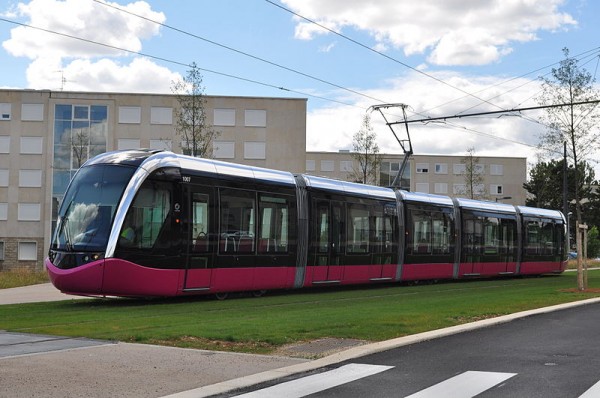
Dear Mayor and Council;
My name is Malcolm Johnston and I have been advocating for modern Light Rail Transit (LRT) since the early 1980ai??i??s. I have been a member of the international Light Rail Transit Association since 1984 and the person who coordinated the Leewood/Rail for the Valley Study, recommending a Vancouver to Chilliwack TramTrain (a variant of LRT) service operating on the former BC Electric rights-of-way. Today I belong to the Rail for the Valley group, promoting the Valley TramTrain.
Except for the odd letter in local newspapers, I have not been involved with the Surrey LRT, until events have forced me to.
I am disturbed with the planning of the Surrey LRT and after consulting with transportation engineers in Canada, the USA and Europe, who are members of the LRTA and/or read the Rail for the Valley blog, my concerns are indeed valid.
Modern LRT combines three concepts, the low-floor tram; the reserved or dedicated rights-of-way, and priority signaling at intersections, which provides a service that rivals todayai??i??s much more expensive metro systems.
Ottawaai??i??s low floor trams have the same capacity of four MK.1 cars or three Mk.2 cars.
Modern LRT made the metro variant, light-metro (what we call locally SkyTrain) obsolete by the end of the 1980ai??i??s.
Today, there are over five hundred and fifty transit systems that fall in the LRT family, with over two hundred built since the Edmonton LRT (considered to be the first modern LRT built) opened in the late 1980ai??i??s. Since this time only seven of the unconventional, proprietary SkyTrain type systems, which has been marketed under the various names including ICTS, ALRT, ALM, and ART, have been built.
Why has modern LRT proven so popular?
The answer is simple economics, as one modern tram (1 tram driver) is as efficient as six buses (6 bus drivers) and for every bus or tram operated, one must hire a minimum of three people to manage, maintain and operate them. When one considers that wages account for about 80% of a transit systemai??i??s operating costs, the savings by operating LRT over a forty year business cycle are considerable.
SkyTrain, an automatic light metro does not see this economy of operation, even though it has no drivers, light metro has many attendants, signaling and maintenance personnel to ensure smooth operation and SkyTrain needs continued bus operation to feed it its customers. This greatly increases operating costs.
When SkyTrain was forced upon the GVRD in 1980, experts of the day opined that SkyTrain would drive up operating costs, which would eventually lead to finical shortfalls and cannibalization of the transit system in the suburbs. These predictions have come true.
The myth that SkyTrain paid its operational costs was exploded in 1992, when the GVRD Study, The Cost of Transporting People in the GVRD found that SkyTrain was heavily subsidized, more than the entire bus system at the time!
Recent studies have also shown that TransLinkai??i??s cost per revenue passenger is about one third higher than Calgary, Edmonton and Toronto.
Even though warnings of high costs for SkyTrain light-metro went unheeded by local politicians and planners, those in other jurisdictions did due diligence and have built with light rail instead.
Again, only seven of the proprietary Ai??ALRT/ART (SkyTrain) systems have been built in forty years.
It is important to understand the difference between LRT and a streetcar.
The difference is not the vehicle, rather it is the concept of the reserved or dedicated rights-of-way, which enables a tram to operate without hindrance. LRT does not impede automobile traffic.
The reserved rights-of-way can be as simple as a HOV lane with rails or in most cases, the reserved rights a way is a boulevard for the exclusive use of the tram. In Europe these boulevards are lawned and landscaped, making the tram route a linear park.
Intersections are signal controlled, giving priority to the tram, over automobile traffic and is just like any other light signaled intersection. Those who claim LRT intersections hinder traffic, must concede that all light controlled intersections hinder traffic and the argument is moot.
A streetcar operates on-street in mixed traffic.
Transit planners in Europe consider that a streetcar or tram route with 60% or more of its route operates on reserved rights-of-ways can be considered LRT.
It also should be noted that there is no operational advantage for grade separating LRT on viaduct or in a subway and it only increases the costs, without any real benefit.
Today, the cost for a modern LRT line, should be around $25 million/km. to $35 million/km.
Surreyai??i??s proposed LRT is being planned as a poor manai??i??s SkyTrain, acting strictly as a feeder line to the now almost capacity Expo Line.
This will adversely affect ridership on the proposed light rail line.
According to one transportation specialist; ai???The Surrey LRT System is just that, itai??i??s entirely Surrey based system and it doesnai??i??t go anywhere else. The benefits only fits a certain subset of the Surreyai??i??s possible transit passenger market. The current route design gives no other connection to the outer region than pouring more passengers on to the SkyTrain system, instead of for example, connecting to the SkyTrain and then by passing it on its own right of way, outwards towards the rest of the region.ai???
The cost of the proposed LRT has now rumored to have surpassed $100 million/km. If this is true, then I am afraid that those planning for LRT are deliberately inflating costs to make the project unbuildable.
This happened in the 1990ai??i??s during the Broadway/Lougheed Rapid Transit Project, where the cost of LRT was deliberately inflated to within 7% of that of SkyTrain, which then made the flip-flop from LRT to SkyTrain, what we now call the Millennium Line, publicly acceptable.
I see the same scenario happening now, in 2017.
I do support modern LRT in Surrey. I do not support the present planning as it both expensive and myopic and I would strongly urge the City of Surrey to engage a company with the expertise in planning, building and operating with LRT, as Rail for the Valley group did, by engaging Leewood Projects of the UK for an unbiased study for the feasibility of a ai???railai??i?? service from Vancouver to Chilliwack.
In 2010 The Leewood Study found that a 130 km. Vancouver to Chilliwack TramTrain (a variant of LRT), track-sharing with the existing railway line, could be built for just under one billion dollars!
Modern light rail is extremely adaptable in operation as it can be built as a streetcar, light rail, or a tramtrain.
LRT can also carry freight or have ai???Bistroai??i?? cars serving light refreshments and even vintage trams can operate on LRT lines.
Modern LRT has over 125 years of development behind it and there is plenty of scope for LRTai??i??s continued development in the future.
This why LRT is built today, its inherent simple design and operating philosophy enables to mode to operate economically where it is built. Designed right, light rail can provide a user friendly alternative to the car.
Those who advocate for SkyTrain, advocate for a dated proprietary transit system, which costs more to build, maintain, and operate than LRT. ALRT/ART was designed in the 1970ai??i??s to cope with 1970ai??i??s transit issues.
LRT constantly evolves and never becomes ai???stale-datedai???, evidenced by many tramways that can trace their linage over 120 years of operation and now operate as modern light rail.
Light rail transit is truly the transit mode of the 21st century and should be designed as such, which at present it is not.
Malcolm Johnston




Recent Comments