For the Tram Enthusiast – The Finnish Tramway Society

One of the more avid readers of “Rail for the Valley” blog is from Finland and here is the link to their most excellent Finnish Tramway Society website.
http://raitio.org/english/index.htm
Also this page of tram photos is well worth a look as it shows trams operating in very snowy conditions, the type of weather when SkyTrain likes to hide in the ‘sheds‘.
http://raitio.org/news/uutis10/uutis102.htm
Metro Vancouver commuters go green by travelling less – The Vancouver Sun

TransLink is broke and needs tax money for the Evergreen light-metro line, so in an all too expected ‘Greenwash‘ news release it is “Good news everyone, Vancouver’s commuters go green!” The problem with TransLink, they have cried ‘wolf’ too often and their surveys and studies are just about as believable as a Nigerian Email.
Here is TransLink’s problem, they have spent vast sums of money on prestigious metro projects ($8 billion+ so far) and there has been little noticeable change in commuter habits, especially a modal shift from car to transit. TransLink’s methods of compiling statisticsAi??Ai??are highly questionable and very few people, except the die-hards, actually believe Translink tells the truth. American transit expert, Gerald Fox’s divesting critique of TransLink’s Evergreen Line Business Case…….
http://railforthevalley.wordpress.com/2008/12/26/can-translinks-business-cases-be-trusted/
………and the current deliberate anti-LRT spin in the Fraser Valley that LRT can’t carry more than 10,000 persons per hour per direction(about half of what LRT can carry), are but a few reasons not to believe anything TransLink says. As mentioned before, TransLink needs money and a positive news release is one way to get the public and political attention, in their quest for ever higher taxes to fund the transit system. TransLink’s modus operandi is “There’s a sucker born every minute!” and TransLink’s bureaucrats think the taxpayers are suckers.
The current recession, loss of quality downtown jobs, the Olympic surgeAi??Ai??and extremely deep discounted U-Passes are probably the reasons why TransLink is trumpeting theirAi??Ai??statistics so, but who believes TransLink? Gullible reporters, in TransLink friendly newspapers it seems.Ai??Ai??The problem of believable statistics, could be solved by an annual or biannual audit of TransLink by the Auditor General as part of his mandate, but the government refuses to fund such a venture and we are left with TransLink’s mishmash of self serving statistics that can be bent and twisted to suit any occasion.
The following quote sums up TransLink’s believability:Ai??Ai??“The problem with TransLink is that you can never believe what it says; TransLink never produces a report based on the same set of assumptions.” Former West Vancouver Clr. Victor Durman, Chair of the GVRD (now METRO) Finance Committee.
Metro Vancouver commuters go green by traveling less
Lower Mainland residents make one million fewer trips per day, surveys show
By ANDREA WOO, Vancouver SunApril 9, 2010
METRO VANCOUVER – Lower Mainland residents are choosing greener commuting options and tackling more tasks per trip, according to two TransLink surveys released Thursday.
There were 5.9-million total trips, in cars and on transit, bike and foot, recorded on a typical day in 2008 A?ai??i??ai??? about one million fewer than in 2004. The decline is a dramatic reversal of a decade-long trend in which the number of trips grew by about one million every five years.
From 2004 to 2008, driving as a mode of transportation declined by 3.8 percentage points, while other modes saw modest increases.
Biking and walking increased by 0.7 percentage points, taking transit increased by 1.7 points and traveling as a car passenger increased by 1.3 points.
The surveys, conducted over several months in the fall of 2008, offer insight into travel patterns of people in the Lower Mainland. TransLink uses the information to shape the regionA?ai??i??ai???s travel network and implement improvements.
The results follow TransLink initiatives such as TravelSmart and RideShare, which urge households to get around in a sustainable way.
A?ai??i??Ai??WeA?ai??i??ai???re just trying to get people to think about whether you need to be alone in that car, or whether you can take somebody else,A?ai??i??A? said TransLink spokesman Drew Snider.
A?ai??i??Ai??Getting people to do that is going to help us achieve the goal of less than 50 per cent driver-in-car trips by 2040.A?ai??i??A?
One of the surveys measured how many people passed through 33 critical points in Metro VancouverA?ai??i??ai???s transportation network, including Burrard Inlet, the SkyTrain west of Main Street and the Port Mann, Alex Fraser and Knight Street bridges.
At the same time, TransLink conducted its Regional Trip Diary survey, in which almost 18,000 households reported through telephone and mail-in surveys their commuting patterns, including how may trips they made in a 24-hour period, where they went, how they got there, and their purpose.
Survey data were only recently finalized, said Snider.
Looking solely at the percentage of work trips in the Lower Mainland, 16.6 per cent were made by transit, ranking fourth in Canada behind Metro Toronto (22.2 per cent), Montreal (21.4 per cent) and Ottawa-Gatineau (19.4 per cent).
Also among findings was a decrease in total trips per person per day. Lower Mainland residents averaged 2.65 in 2008, down from 3.42 in 2004, 3.04 in 1999 and 2.86 in 1994.
TransLink attributes the change to trip-chaining, where people run multiple errands all in one go.
A surprising find was the morning driving pattern among residents living south of the Fraser River. While surveyors expected most drivers during the morning rush to head toward Vancouver, they found the majority of trips took place within the same area.
In Surrey, for example, 70 per cent of morning peak period trips by car ended within the region, with only seven per cent of drivers travelling into Vancouver. A?ai??i??Ai??Rather than arrows pointing from Surrey, Langley, White Rock and Delta all into Vancouver, the arrows going every which way,A?ai??i??A? said Snider. A?ai??i??Ai??They were going Surrey to Surrey, Langley to Langley, Langley to Delta.A?ai??i??A?
http://www.vancouversun.com/Metro+Vancouver+commuters+green+travelling+less/2781167/story.html
A Solar Powered Interurban?

An interesting memo about Karlsruhe’s famous TramTrain system, it is powered by solar power!Ai??
http://www.zkmsolar.stadtwerke-karlsruhe.de/
Since the time of writing this post (04/08/10)Ai??Ai??245.1 Kilowatt hours have been produced German time and supplied directly to the tram/light rail system and a total of 973132.1 Kilowatt hours have been produced and supplied since their installation! The website is updated minute by minute.
The ‘Return of the Interurban’ is not just for providing a passenger rail servcie for the Fraser Valley, itAi??Ai??will drag TransLink, BC Transit, Provincial and Federal Governments, kicking and screaming into the 21st century!
In Seattle – Proposed First Hill streetcar is Broadway bound – The Seattle Times

While Vancouver council sweats over big decisions like ‘chickens in the backyard’ and ‘chicken shelters’ for unwanted chickens, Seattle’s politicians seem on the right track improving their urban and regional transportation. The first streetcar line, the ill-named South Lake Union Transportation or SLUT, was too small an effort for the investment and I think this new line, to be completed by 2013, will be the harbinger of things to come. But a two mile streetcar line is still far to small to achieve anything special and Seattle’s transit planners just can’t seem to understandAi??Ai??how to successfully plan for LRT/streetcar andAi??Ai??continue toAi??Ai??plan for small lines that will achieve little and in the end please no one.
In Seattle, LRT is actually light-metro and real LRT is called streetcar, with Seattle transit planners not wanting to build a successful LRT/streetcar line that may be more successful than the newly opened LINK light rail/metro line.
It wouldAi??Ai??be lovely to see the truly modern Bombardier Flexity, Siemens Combino, or Alstom Citidis LRV’s instead of the rather diminutive Skoda cars, favoured in Portland and Tacoma.
At least in SeattleAi??Ai??politicians and planners areAi??Ai??thinking at-grade rail; not so in Vancouver where better transit seems just toAi??Ai??be just too muchAi??Ai??of anAi??Ai??effortAi??Ai??forAi??Ai??Vancouver politicos to grasp and unlike the Fraser Valley where Valley politicians are ‘on board’ for better, affordableAi??Ai??’rail‘ transportation. As for modern LRT and/or streetcar operation in Vancouver, I guess we must wait until the “chickens come home to roost“.
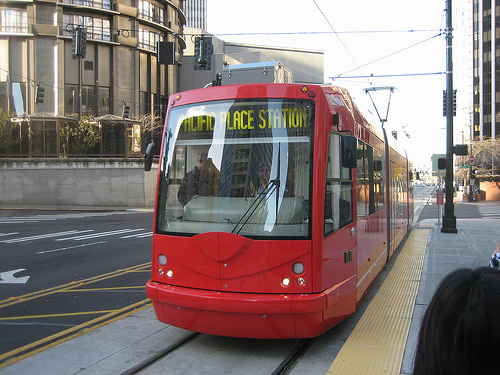
Proposed First Hill streetcar is Broadway bound
Seattle officials appear ready to approve a First Hill streetcar that rolls straight down Broadway, when the line opens in late 2013.
By Mike Lindblom
Seattle Times transportation reporter
Seattle officials appear ready to approve a First Hill streetcar that rolls down Broadway, when the line opens in late 2013.
The Seattle Department of Transportation (SDOT) endorsed the cheapest and quickest of the alternatives, and did so in only 16 months after voters approved the $130 million project.
Mayor Mike McGinn is to issue his proposal this week, followed by a City Council vote this spring.
The streetcar is a small part of the $18 billion Sound Transit expansion measure that passed in 2008. Transit leaders two decades ago pledged an underground light-rail station for First Hill but later learned it would be unaffordable. The streetcar is a sort of consolation prize.
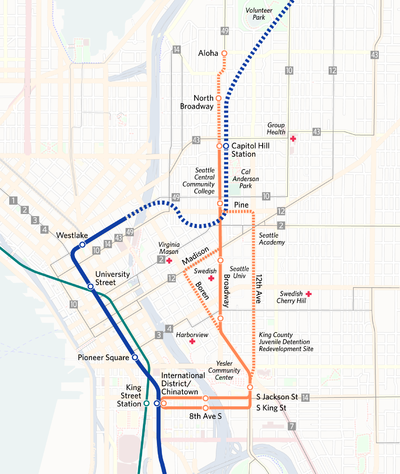
Nonetheless, the route linking the International District/Chinatown light-rail station to the future Capitol Hill Station serves potentially high ridership A?ai??i??ai??? whisking people to Seattle Central Community College, Swedish Medical Center, Seattle University and shops at “Little Saigon” and South Jackson Street. Harborview and Virginia Mason medical centers and O’Dea High School are a few blocks west of Broadway. In addition, a short loop in the route reaches the Pioneer Square historic district.
Construction is to begin next year, said Rick Sheridan, SDOT spokesman. The streetcars would be similar to those used on the city-owned South Lake Union line.
Sound Transit, which hired the city as its contractor, requires that First Hill trains arrive every 10 minutes. That’s more frequent than the city’s current 15-minute standard at South Lake Union.
Streetcar planning largely has escaped public notice, overshadowed by rancor over the Highway 520 bridge replacement and the Highway 99 tunnel.
At ground level, however, an energetic debate over route choices has been under way.
The big question is the purpose of streetcars: Should they serve existing transit demand, or promote transit-friendly dense development?
Eight routes were studied before SDOT recommended last month that the streetcars run along Broadway in both directions. But two other choices still have supporters:
A?ai??i??A? A route that swings partly along Boren Avenue, directly serving Virginia Mason Medical Center’s 3,700 employees, as well as huge senior-housing complexes west of Boren.
You’ve got to get back to fundamentals, which is the streetcar was a circulating transit system that was going to replace the light-rail station on First Hill,” said Fred Savaglio, a Virginia Mason program director.
Although a hospital manager lobbied City Council member Sally Bagshaw on Friday, Savaglio said hope is slipping away for this route, and Virginia Mason will “move on” to other transit ideas, such as later service hours for its employee buses.
A?ai??i??A? A route with northbound track on Broadway and southbound track on 12th Avenue, the back side of First Hill. Trains there would promote housing and business growth immediately southeast of Seattle University.
Such a strategy recalls growth in South Lake Union, where the city was willing to cheerlead for streetcars that now average only eight or nine riders a trip, with the promise of a boom when more biotech firms, Amazon.com and the Bill & Melinda Gates Foundation arrive soon.
Seattle University has created attractive campus entries along 12th Avenue, while King County’s juvenile-justice complex south of Seattle U is poised to be redeveloped.
“If we’re building a streetcar as a 50- or 100-year investment, we need to be thinking about the future destinations,” said Kate Stineback, of the group 12th Avenue Stewardship.
However, the city analysis found many advantages to Broadway A?ai??i??ai??? not least of which is a simple, easy-to-find route.
Construction appeared the cheapest at $122 million to $125 million, travel time was the best at 16 minutes each way, and the route would not disrupt bicycle routes or require major rebuilding of utility lines, SDOT says. Ridership would be estimated at 6,000 to 9,000 per day at the outset, about 1,000 less than the route near Boren.
Traffic congestion on Boren also was a deterrent to routes there, streetcar project director Ethan Melone said on the city-owned Seattle Channel. But Broadway will be a challenge, too, at the congested north terminus where Denny and John streets crisscross Broadway.
“Everybody wants it to come to their front door,” Melone said. “But we’re going to make someone unhappy.”
Seattle U favored the 12th Avenue version but is fine with the city’s Broadway preference, spokesman Casey Corr said. The campus serves about 8,700 students, faculty and staff.
“We can’t wait to use it,” he said.”
http://seattletimes.nwsource.com/html/localnews/2011525542_streetcar05m.html
The Fare Evasion Fiasco – Why Spend $171 million to save $4.38 million Annually?

The real story of course is that Premier Campbell’s political crony, Ken Dobell, acted as a lobbyist for Cubit Industries who are putting in the turnstiles at SkyTrain stations. In what amounts to massive overkill, a $171 million turnstile system with about $15 million annual operating costs, toAi??Ai??deter an approximatelyAi??Ai??$4.38 annual loss due to fare evasion. ThisAi??Ai??is shear lunacy. What many people do not realize, a good portion of fare evasion is ‘soft’ ridership orAi??Ai??transit users who probably will not useAi??Ai??bus or SkyTrainAi??Ai??if they have to pay!
This time is is not TransLink’s fault, but the Premier’s, who once again rewards his political friends with taxpayer’s hard earned moneyAi??Ai??by forcing TransLink to install the turnstile system. BC Transit then and now TransLink, have never really understood fare protection and if we had a ‘conductor’ on every train, checking both fares and seeing to the good operation of the metro, would have solved the ‘fare’ evasion problem years ago and without the need of creatingAi??Ai??the presentAi??Ai??expensive transit police force.
The combined cost of the Transit Police and the SkyTrain attendants would have easily paid for ‘conductors‘ and the $171 million for turnstiles could have been better spent on improving the transit system or, heavens forbid, reduce the cost of a ticket!
Fare evasion on buses amounts to $4.38m, TransLink driver figures
By Frank Luba, The Province
Fare evasion on TransLink buses amounts to $4.38 million annually, a bus driver estimates.
ThatA?ai??i??ai???s almost $2 million more than previous studies have found.
The driver, who didnA?ai??i??ai???t want to be identified, made his calculations based on TransLink statistics posted in his garage that indicated there were 146,000 evasions in October 2009. Multiplying 146,000 by an average fare of $2.50 gave him a monthly cheating total of $365,000 or annual losses of $4.38 million.
Each bus now comes equipped with a button on its touch-screen console that drivers are supposed to push when someone fails to pay or upgrade their fare, allowing for better data collection on fare evaders.
When PricewaterhouseCoopers did its fare-evasion study for TransLink in 2007, it said there were more cheaters on buses, 1,871,899, but the loss was only $2,676,816 because the company estimated the average loss per ride was $1.43.
TransLink spokesman Drew Snider confirmed the existence of the fare-evasion button Monday, but didnA?ai??i??ai???t have any information about the evasion figures presented by the operator. He said that nobody from Coast Mountain was available for an interview Monday.
He said the evasion rates needed to be put into A?ai??i??Ai??perspective.A?ai??i??A?
A?ai??i??Ai??Buses carry 800,000 people a day,A?ai??i??A? said Snider. A?ai??i??Ai??Yeah, it [146,000 cheaters a month] sounds like a lot until you realize how many people we carry.A?ai??i??A?
Driver Darryl Van Ochten confirmed he uses the button. He wasnA?ai??i??ai???t the driver who made the calculations.
A?ai??i??Ai??Yes, unfortunately I use it a lot,A?ai??i??A? said Van Ochten, who said heA?ai??i??ai???s seen the number of people cheating on their fares increasing over the two years heA?ai??i??ai???s been driving.
Van Ochten transferred out of Vancouver to Burnaby to avoid the hassles of dealing with cheaters.
In 2008, transit police issued 14,400 tickets, but 11,300 went unpaid for a loss of $1.95 million.
PricewaterhouseCoopers estimated fare-evasion loses on SkyTrain at $3.4 million per year.
TransLink had to raise an extra $130 million this year to maintain service at current levels.
TransLink is paying $100 million of the $171-million cost of putting in turnstiles to combat SkyTrain fare evasion.
http://www.theprovince.com/Fare+evasion+buses+amounts+TransLink+driver+figures/2766589/story.html
TransLink sardine – A letter in the Province
An interesting letter in Sunday’s Province Newspaper. TransLink is in a financial bind and the once deep discounted ‘pay in advance’ tickets and passes are no longer as deeply discounted as they were before.Ai??Ai?? This lessens the incentive for people taking transit as it seems the service itself doesn’t attract ridership, rather the perceived economic benefits of taking transit.
The reason for again operating a “Sardine” serviceAi??Ai??may beAi??Ai??to cut down on expensive maintenance costs on the metro cars, thus TransLink is maximizing car usage.
There areAi??Ai??four results of TransLink’s new policy:
- Reduced vehicle service hours, reduces maintenance costs.
- Packed cars give the impression of ‘at capacity’ operation leading the public to demand more cars.
- More expensive the fare, the fewer customers take transit.
- The transit customer washes his/hers hands of crammed and expensive transit and takes the car instead.
TransLink sardine
Ai??Ai??By Sharon Simpson, The Province April 4, 2010The Olympics are over and Trans-Link did an amazing job of transporting everyone around our city. I catch the Expo Line train from Surrey’s Scott Road station into Vancouver and actually had more luck getting a seat during the Olympics than I would normally.
When the world is watching TransLink can do amazing things. When the world isn’t watching it is another matter.
Once again we’re being crammed into the trains like sardines and from April 1 we get to pay more for this pleasure. My three-zone-fare monthly fee has gone from $136 to $151. That’s an 11 per cent increase. After all the talk about reducing vehicle travel in our city what does TransLink do but up the fare. Does this make sense?
For that kind of money with standing room only, I think I will start driving again.
http://www.theprovince.com/opinion/letters/TransLink+sardine/2761960/story.html
Diesel Trams for the Interurban – Lessons from Kassel! Part 3
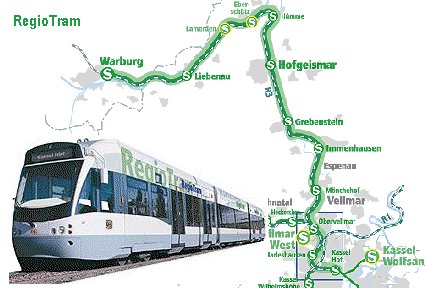
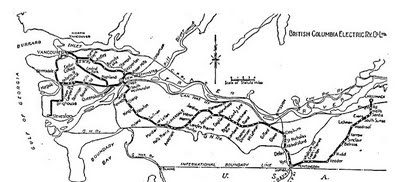
Though the old BC Electric Interurban service from downtown Vancouver to Chilliwack was an ‘electric‘ service, the wires and electrical equipment have been long removed and the remaining railway has been operated as a diesel railway. To get a affordable Interurban service into ‘quick‘ service, Diesel LRT could be the answer and as we see in Kassel, Diesel LRT can be very successful in operation.
What is importantAi??Ai??butAi??Ai??largely ignored in our part of the world is the importance of the seamless or no transfer journey in attracting ridership. TheAi??Ai??impetus for LRTs evolution to TramTrain was to provide a seamless ‘rail’ Ai??Ai??journey in Karlsruhe Germany.
Essentially it involves the A?ai??i??E?joining-upA?ai??i??ai??? of a tram network with heavy rail so that local services sharing paths with conventional trains on the main line can travel over both systems, enabling seamless through journeys. The need to change modes is thereby eliminated: accessibility is improved and end-to-end journey times drop. In KarlsruheA?ai??i??ai???s case, the city centre, about two km from the main station, was the main attraction, and a through journey from the suburbs with dual-voltage electric trams was made possible.
Success of Karlsruhe’s TramTrain was almost instant with a 423% increase in weekday ridership after only a few week is operation! In Vancouver, TransLink’s transit philosophy is the opposite; to design a transit system that willAi??Ai??cram every bus rider they can on the SkyTrain and RAV/Canada lines, to claim high ridership numbers. Unfortunately for the transit customer, TransLink doesn’t care aboutAi??Ai??his/hers needs or wants and they show no hint in changing their rather bizarre method of operation to a more user-friendly transit model.
With the TramTrain debate we see the same naivety, where someAi??Ai??advocates want a Surrey to Chilliwack onlyAi??Ai??‘rail‘ service and care little for the ‘rail’ service to terminate in downtownAi??Ai??Vancouver, with the result of forcing Vancouver bound customers to transfer to SkyTrain for a 45 minute trip to Vancouver. By extending the service to Vancouver, would provide a ‘seamless‘ journey to the Fraser Valley, with a a potentialAi??Ai??to serviceAi??Ai??almost one million more customers!
Rail for the Valley do not want to ‘Snatch defeat from the jaws of Victory’ with an ill-planned ‘rail’ line, that looks nice but but fails to meet customers expectations.
The key forAi??Ai??the Fraser Valley TramTrain’s success is to design and plan it right and use proven and successful transit models such as Kassel and Karsruhe and not ‘back of an envelope’ planning, based on whimsAi??Ai??and hearsay. It is extremely important that the proposed Valley Interurban is seen by the public to be successful and to be successful, the Interuban must be the product the transit consumer wants!
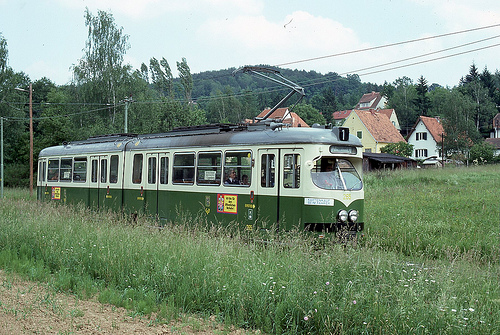
A country tram in Austria - Could be rural Langley.
A A?ai??i??E?MustA?ai??i??ai??? Read for Rail For The Valley A?ai??i??ai??? Diesel trams: a new way forward? Part 2

Ai??
Diesel trams: a new way forward?
By Charles King A?ai??i??ai??? Modern Railways March 2007
A comparrison of Diesel-Hybrid and Electric only trams
Ai??Ai??Ai??Ai??Ai??Ai??Ai??Ai??Ai??Ai??Ai??Ai??Ai??Ai??Ai??Ai??Ai??Ai??Ai??Ai??Ai??Ai??Ai??Ai??Ai??Ai??Ai??Ai??Ai??Ai??Ai??Ai??Ai??Ai??Ai??Ai??Ai??Ai??Ai??Ai??Ai??Ai??Ai??Ai??Ai??Ai??Ai??Ai??Ai??Ai??Ai??Ai??Ai??Ai??Ai??Ai??Ai??Ai??Ai??Ai??Ai??Ai??Ai??Ai??Ai??Ai??Ai??Ai??Ai??Ai?? Ai??Ai??Diesel-HybridAi??Ai??Ai??Ai??Ai??Ai??Ai??Ai??Ai??Ai??Ai??Ai??Ai??Ai??Ai??Ai??Ai??Ai??Ai??Ai??Ai??Ai??Ai??Ai??Ai??Ai??Ai??Ai??Ai??Ai??Ai??Ai??Ai??Ai??ElectricAi??Ai??Ai??Ai??Ai??Ai??Ai??Ai??Ai??Ai??
# of VehiclesAi??Ai??Ai??Ai??Ai??Ai??Ai??Ai??Ai??Ai??Ai??Ai??Ai??Ai??Ai??Ai??Ai??Ai??Ai??Ai??Ai??Ai??Ai??Ai??Ai??Ai?? 10Ai??Ai??Ai??Ai??Ai??Ai??Ai??Ai??Ai??Ai??Ai??Ai??Ai??Ai??Ai??Ai??Ai??Ai??Ai??Ai??Ai??Ai??Ai??Ai??Ai??Ai??Ai??Ai??Ai??Ai??Ai??Ai??Ai??Ai??Ai??Ai??Ai??Ai??Ai??Ai??Ai??Ai??Ai??Ai??Ai??Ai??Ai??Ai??Ai??Ai??Ai??Ai??Ai??Ai??Ai??Ai??Ai??Ai??Ai??Ai??Ai??Ai??Ai??Ai??Ai??Ai??Ai??Ai??18
Power ratingAi??Ai??Ai??Ai??Ai??Ai??Ai??Ai??Ai??Ai??Ai??Ai??Ai??Ai??Ai??Ai??Ai??Ai??Ai??Ai?? 600kwAi??Ai??Ai??Ai??Ai??Ai??Ai??Ai??Ai??Ai??Ai??Ai??Ai??Ai??Ai??Ai??Ai??Ai??Ai??Ai??Ai??Ai??Ai??Ai??Ai??Ai??Ai??Ai??Ai??Ai??Ai??Ai??Ai??Ai??Ai??Ai??Ai??Ai??Ai??Ai??Ai??Ai??Ai??Ai??Ai??Ai??Ai??Ai??Ai??Ai??Ai??Ai??Ai??Ai??Ai??Ai??Ai??Ai??Ai??Ai??Ai??Ai??600kw
# motorsAi??Ai??Ai??Ai??Ai??Ai??Ai??Ai??Ai??Ai??Ai??Ai??Ai??Ai??Ai??Ai??Ai??Ai??Ai??Ai??Ai??Ai??Ai??Ai??Ai??Ai??Ai??Ai??Ai??Ai??Ai??Ai??Ai??Ai??Ai??Ai??Ai??Ai?? 4Ai??Ai??Ai??Ai??Ai??Ai??Ai??Ai??Ai??Ai??Ai??Ai??Ai??Ai??Ai??Ai??Ai??Ai??Ai??Ai??Ai??Ai??Ai??Ai??Ai??Ai??Ai??Ai??Ai??Ai??Ai??Ai??Ai??Ai??Ai??Ai??Ai??Ai??Ai??Ai??Ai??Ai??Ai??Ai??Ai??Ai??Ai??Ai??Ai??Ai??Ai??Ai??Ai??Ai??Ai??Ai??Ai??Ai??Ai??Ai??Ai??Ai??Ai??Ai??Ai??Ai??Ai??Ai??Ai??Ai??Ai??Ai??Ai??Ai??Ai??Ai??4
AccelerattionAi??Ai??Ai??Ai??Ai??Ai??Ai??Ai??Ai??Ai?? 1.1 ms2Ai??Ai??Ai??Ai??Ai??Ai??Ai??Ai??Ai??Ai??Ai??Ai??Ai??Ai??Ai??Ai??Ai??Ai??Ai??Ai??Ai??Ai??Ai??Ai??Ai??Ai??Ai??Ai??Ai??Ai??Ai??Ai??Ai??Ai??Ai??Ai??Ai??Ai??Ai??Ai??Ai??Ai??Ai??Ai??Ai??Ai??Ai??Ai??Ai??Ai??Ai??Ai??Ai??Ai??Ai??Ai??Ai??Ai??Ai??Ai??Ai??Ai??Ai??Ai??Ai??Ai??Ai??Ai??1.1 ms2
Max. SpeedAi??Ai??Ai??Ai??Ai??Ai??Ai??Ai??Ai??Ai??Ai??Ai??Ai??Ai??Ai??Ai??Ai??Ai??Ai??Ai?? 100 kphAi??Ai??Ai??Ai??Ai??Ai??Ai??Ai??Ai??Ai??Ai??Ai??Ai??Ai??Ai??Ai??Ai??Ai??Ai??Ai??Ai??Ai??Ai??Ai??Ai??Ai??Ai??Ai??Ai??Ai??Ai??Ai??Ai??Ai??Ai??Ai??Ai??Ai??Ai??Ai??Ai??Ai??Ai??Ai??Ai??Ai??Ai??Ai??Ai??Ai??Ai??Ai??Ai??Ai??Ai??Ai??Ai??Ai??Ai??Ai??Ai??Ai??100 kph
WeightAi??Ai??Ai??Ai??Ai??Ai??Ai??Ai??Ai??Ai??Ai??Ai??Ai??Ai??Ai??Ai??Ai??Ai??Ai??Ai??Ai??Ai??Ai??Ai??Ai??Ai??Ai??Ai??Ai??Ai??Ai??Ai??Ai??Ai??Ai??Ai??Ai??Ai?? 85.2 TAi??Ai??Ai??Ai??Ai??Ai??Ai??Ai??Ai??Ai??Ai??Ai??Ai??Ai??Ai??Ai??Ai??Ai??Ai??Ai??Ai??Ai??Ai??Ai??Ai??Ai??Ai??Ai??Ai??Ai??Ai??Ai??Ai??Ai??Ai??Ai??Ai??Ai??Ai??Ai??Ai??Ai??Ai??Ai??Ai??Ai??Ai??Ai??Ai??Ai??Ai??Ai??Ai??Ai??Ai??Ai??Ai??Ai??Ai??Ai??Ai??Ai??Ai??Ai??82.5 T
Seating Cap.Ai??Ai??Ai??Ai??Ai??Ai??Ai??Ai??Ai??Ai??Ai??Ai??Ai??Ai??Ai??Ai?? 90Ai??Ai??Ai??Ai??Ai??Ai??Ai??Ai??Ai??Ai??Ai??Ai??Ai??Ai??Ai??Ai??Ai??Ai??Ai??Ai??Ai??Ai??Ai??Ai??Ai??Ai??Ai??Ai??Ai??Ai??Ai??Ai??Ai??Ai??Ai??Ai??Ai??Ai??Ai??Ai??Ai??Ai??Ai??Ai??Ai??Ai??Ai??Ai??Ai??Ai??Ai??Ai??Ai??Ai??Ai??Ai??Ai??Ai??Ai??Ai??Ai??Ai??Ai??Ai??Ai??Ai??Ai??Ai??Ai??Ai??Ai??Ai??Ai??Ai??Ai??Ai??Ai??Ai??Ai??Ai??90
Standing Cap.Ai??Ai??Ai??Ai??Ai??Ai??Ai??Ai??Ai??Ai?? 139Ai??Ai??Ai??Ai??Ai??Ai??Ai??Ai??Ai??Ai??Ai??Ai??Ai??Ai??Ai??Ai??Ai??Ai??Ai??Ai??Ai??Ai??Ai??Ai??Ai??Ai??Ai??Ai??Ai??Ai??Ai??Ai??Ai??Ai??Ai??Ai??Ai??Ai??Ai??Ai??Ai??Ai??Ai??Ai??Ai??Ai??Ai??Ai??Ai??Ai??Ai??Ai??Ai??Ai??Ai??Ai??Ai??Ai??Ai??Ai??Ai??Ai??Ai??Ai??Ai??Ai??Ai??Ai??Ai??Ai??Ai??Ai??Ai??Ai??139
Boarding Ht.Ai??Ai??Ai??Ai??Ai??Ai??Ai??Ai??Ai??Ai??Ai??Ai??Ai??Ai?? 360mmAi??Ai??Ai??Ai??Ai??Ai??Ai??Ai??Ai??Ai??Ai??Ai??Ai??Ai??Ai??Ai??Ai??Ai??Ai??Ai??Ai??Ai??Ai??Ai??Ai??Ai??Ai??Ai??Ai??Ai??Ai??Ai??Ai??Ai??Ai??Ai??Ai??Ai??Ai??Ai??Ai??Ai??Ai??Ai??Ai??Ai??Ai??Ai??Ai??Ai??Ai??Ai??Ai??Ai??Ai??Ai??Ai??Ai??Ai??Ai??Ai??Ai??Ai??Ai??Ai??Ai?? 360mm
LengthAi??Ai??Ai??Ai??Ai??Ai??Ai??Ai??Ai??Ai??Ai??Ai??Ai??Ai??Ai??Ai??Ai??Ai??Ai??Ai??Ai??Ai??Ai??Ai??Ai??Ai??Ai??Ai??Ai??Ai??Ai??Ai??Ai??Ai??37.48mAi??Ai??Ai??Ai??Ai??Ai??Ai??Ai??Ai??Ai??Ai??Ai??Ai??Ai??Ai??Ai??Ai??Ai??Ai??Ai??Ai??Ai??Ai??Ai??Ai??Ai??Ai??Ai??Ai??Ai??Ai??Ai??Ai??Ai??Ai??Ai??Ai??Ai??Ai??Ai??Ai??Ai??Ai??Ai??Ai??Ai??Ai??Ai??Ai??Ai??Ai??Ai??Ai??Ai??Ai??Ai??Ai??Ai??Ai??Ai??37.48mm
WidthAi??Ai??Ai??Ai??Ai??Ai??Ai??Ai??Ai??Ai??Ai??Ai??Ai??Ai??Ai??Ai??Ai??Ai??Ai??Ai??Ai??Ai??Ai??Ai??Ai??Ai??Ai??Ai??Ai??Ai??Ai??Ai??Ai??Ai?? 2.65mAi??Ai??Ai??Ai??Ai??Ai??Ai??Ai??Ai??Ai??Ai??Ai??Ai??Ai??Ai??Ai??Ai??Ai??Ai??Ai??Ai??Ai??Ai??Ai??Ai??Ai??Ai??Ai??Ai??Ai??Ai??Ai??Ai??Ai??Ai??Ai??Ai??Ai??Ai??Ai??Ai??Ai??Ai??Ai??Ai??Ai??Ai??Ai??Ai??Ai??Ai??Ai??Ai??Ai??Ai??Ai??Ai??Ai??Ai??Ai??Ai??Ai??Ai??Ai??Ai??Ai??Ai??Ai??Ai??Ai??2.65m
Min. radiusAi??Ai??Ai??Ai??Ai??Ai??Ai??Ai??Ai??Ai??Ai??Ai??Ai??Ai??Ai??Ai??Ai??Ai??Ai??Ai??Ai??Ai??22mAi??Ai??Ai??Ai??Ai??Ai??Ai??Ai??Ai??Ai??Ai??Ai??Ai??Ai??Ai??Ai??Ai??Ai??Ai??Ai??Ai??Ai??Ai??Ai??Ai??Ai??Ai??Ai??Ai??Ai??Ai??Ai??Ai??Ai??Ai??Ai??Ai??Ai??Ai??Ai??Ai??Ai??Ai??Ai??Ai??Ai??Ai??Ai??Ai??Ai??Ai??Ai??Ai??Ai??Ai??Ai??Ai??Ai??Ai??Ai??Ai??Ai??Ai??Ai??Ai??Ai??Ai??Ai??Ai??Ai??Ai??Ai??22m
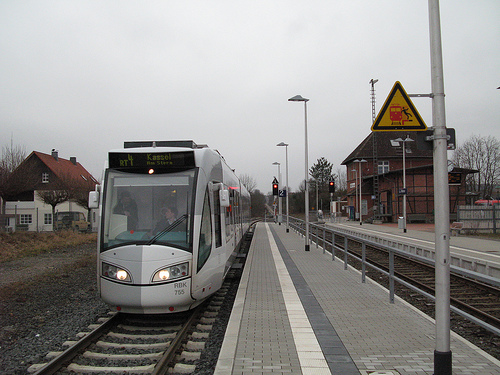
- Diesel TramTrain at a rural station
Technical specification
Ai??Ai??Joining up urban centres
First, taking advantage of a tramA?ai??i??ai???s ability to penetrate the urban centre, a tramway spur from the mainline to such A?ai??i??E?honey potA?ai??i??ai??? sites offers the opportunity to go right to where the customers want to go and encourage modal shift with seamless journeys. If Karlsruhe has shown that through journeys work with electric vehicles, then diesel trams prove that a potential station crucially need not be sited on an electrified Network Rail line A?ai??i??ai??? thus opening up the entire British railway network A?ai??i??ai??? nor would the tramway itself require electrification. Blackpool illustrates the potential: diesel trams offer the prospect of linking up the South Fylde line with the tramway, thereby opening up many new journey opportunities and contributing to the areaA?ai??i??ai???s regeneration. As no electrification would be necessary, major new infrastructure would be confined to connecting the two networks and restoring some of the double track on the railway section.
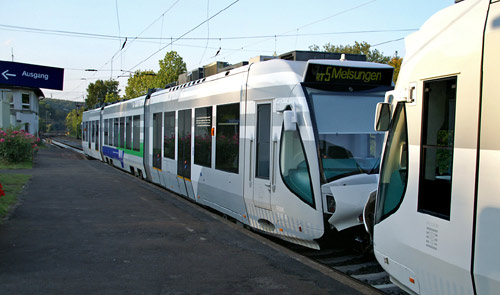
2-Diesel TramTrains in multiple unit operation
A ‘Must’ Read for Rail For The Valley – Diesel trams: a new way forward? Part 1

Diesel trams: a new way forward?
By Charles King – Modern Railways March 2007
- Ai??Ai??a common tram and heavy rail track gauge and a suitable interface point between heavy rail and tramway;
- Ai??Ai??a relatively large but dispersed population, ideally with a strong commuting market A?ai??i??ai??? Karlsruhe, for instance, serves 120 communities with a total population of 1.3million people;Ai??Ai??
-
favourable urban planning and public transport characteristics A?ai??i??ai??? the two must be considered together;
-
existing heavy rail stations some distance from the main centres they seek to serve;
-
an ability to overcome the technological challenges such as providing trams with two sorts of traction equipment, signalling compatibility, and meeting the relevant safety standards;
-
perhaps most importantly, the political will and funding to see the project through.
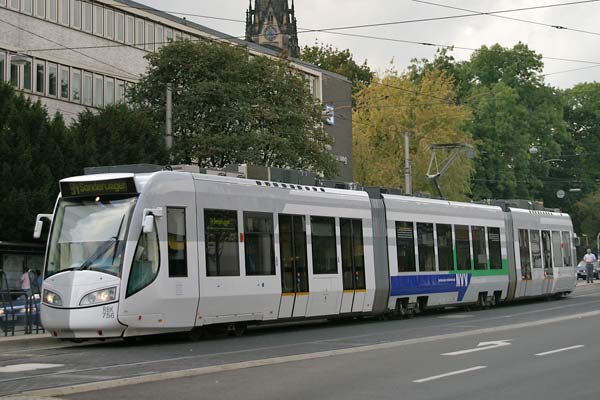 Ai??Ai??
Ai??Ai??Latest developments
Ai??Ai??
Value for money
Ai??Ai??
-
Large infrastructure costs were avoided: the loading gauge in Zierenberg tunnel on the non-electrified Wolfhagen route to the west of Kassel did not allow for electrification without substantial rebuilding. This resulted in a capital cost saving of Euro 7.5million (Ai??A?4.9million).
-
Ai??Ai??In addition to the costs of rebuilding the tunnel, the capital spend to electrify the 30-km Wolfhagen route would have been around Euro 2million (Ai??A?1.3million) per kilometre, not including ongoing operational expenditure, and unjustifiable in this case.
-
Ai??Ai??Time and money would be saved in the planning process.
Ai??Ai??Ai??Ai??The above savings on the Wolfhagen route represent upwards of 55% of the total infrastructure costs of the entire project, and demonstrate, how much more expensive a fully electric system would be. Feasibility studies carried out between 2000 and 2003 focusing on whether to opt for electric-only vehicles or a mixed fleet containing dieselhybrid versions as well, favoured the latter and resulted in the authority to proceed. As an additional benefit, a short unelectrified freight-only chord at Kaufungen on the otherwise electrified Hessisch Lichtenau route could be brought into use to save eight minutes on the normal end-to-end journey time without any significant infrastructure work A?ai??i??ai??? an easy A?ai??i??E?quick winA?ai??i??ai???.

Kassel TramTrain on the MainLine
Timing is right for Interurban line – A letter in the Surrey Leader
More letters supporting valley rail. Sadly, if one links to the original story, one can see the same old anti-LRT rhetoric and unrealistic calls for spending $2 billion to connect Langley with SkyTrain, through “sparsely populated areas“.

TramTrain in the Black Forest
Re: A?ai??i??Ai??Transit at a crossroads,A?ai??i??A? The Leader, March 24.
I have been following with interest those who for years have advocated a restoration of the old Interurban line. Based on what I have read, it looks like the whole Fraser Valley had a superior transit system in 1910 to we have today.
Unfortunately, with the A?ai??i??Ai??progressA?ai??i??A? of SkyTrain, the entire bus system was re-worked so that most buses now lead to SkyTrain. Nice for those who live or work near SkyTrain, but not for South Fraser commuters going other places.
The Interurban would serve many areas that are presently poorly served by transit. LetA?ai??i??ai???s bring it back. The price is right. The timing is right. The technology exists to make a light rail system run faster and cleaner than ever. If it worked 100 years ago with a tiny population, it should work even better now. Existing tracks and rights of way mean a minimum of construction, avoiding traffic delays, noise, cost overruns, and disruptive property acquisitions. Unlike a bus system, light rail is not Dependant on smooth-flowing traffic. As much of the system runs through ALR and less-dense areas, traffic pattern changes would be minimal. The sticking point for some seems to be that it doesnA?ai??i??ai???t go everywhere. True, but neither does SkyTrain and lots of people ride that.
Developments along the existing track corridor are growing exponentially. Coming from Langley, stops could be Cloverdale town centre; at 152/Panorama Ridge shopping centre, with buses going north and south to Guildford and White Rock; stops at King George close to City Centre with buses connecting to SkyTrain; and further on to the Surrey-Delta border.
LetA?ai??i??ai???s give it a try! There are several organizations working to restore old rail cars already. Give them some funding, get a prototype going ASAP and if it works why not eventually resurrect the whole thing, Chilliwack to Vancouver. The rail of the past can be the rail of the future.
http://www.bclocalnews.com/surrey_area/surreyleader/opinion/letters/89542182.html#disqus_thread



Recent Comments