Further proof that our regional politicians live in la,la land. Burnaby politicians want a $210 million plus gondola going to SFU.
For added insult the gondola lobby is playing the environmental/global warming card, which is sheer utter nonsense.
What Zwei sees is a municipal quid, pro quo between the three largest cities in metro Vancouver to build prestige transit projects. If Burnaby supports a $3 billion subway in Vancouver and a flip flop from LRT to light metro in Surrey, based on a fictional cost estimated by a now disgraced mayor, Vancouver and Surrey will support a politically prestigious gondola for Burnaby and SFU.
It is civic election year, TransLink is on its financial uppers and the politicians must show some positive news to justify their generous stipends being on the Mayor’s Council for Transit.
It seems there is interesting political connections with SFU and TransLink, with the gondola project. TransLink Board member, Howard Nemtin, President, Nemtin Consultants Ltd., is also a member of the The SFU Community Corporation board. Could it be that the Trust’s real estate development arm, UniverCity will use the gondola as a sales tool for their development on the mountain; of course paid for by the regional taxpayer through TransLink?
Other coincidental connections on the SFU Corporation Board include TransLink Board Chair, Nancy Olewiler, who also is the Director of the School of Public Policy in the Faculty of Arts and Social Sciences at Simon Fraser University and a blast from the past, Jane Bird, who is famous for her obfuscation with the Canada Line debacle.
One wonders if the same people are still pulling strings?
First said to cost $70 million, then increasing to $ 120 million and presently now said to cost $210 million or more, the SFU gondola is an extremely expensive kit to move $1 a day U-Pass SFU students and faculty to Simon Fraser University, especially when the money could be better spent elsewhere.
And then there are the annual operating costs…………………
Portland’s aerial tramway.
Postscript
The Portland’s gondola cost USD $57 (CAD $72.5) million to build—a nearly fourfold increase over initial cost estimates, which was one of several sources of controversy concerning the project and opened in 2006.
The tram’s operating costs are also higher than expected. Originally, originally expected to cost $915,000 (CAD $1.65 million) annually, but is now over $1.7 (CAD $2.2) million annually.
City of Burnaby backs gondola proposal for Burnaby Mountain
The municipality has endorsed the Route 1 option, running from the Production Way-University SkyTrain station to UniverCity and Simon Fraser University.
“The Burnaby Mountain Gondola project will create a safe and reliable transit option for Burnaby residents travelling to and from Burnaby Mountain,” Mayor Mike Hurley said in a Friday news release.
“By taking cars and buses off the road, it will be one of the many changes we must make in our city to achieve the aggressive targets we’ve set for reducing carbon emissions.”
In 2020, TransLink and its partners developed the conceptual design of possible routes for the project, estimated to cost at least $210 million. If approved, the owners of two multi-family complexes would also receive compensation, as the gondola would pass over their properties.
According to TransLink, the gondola would support more than 25,000 trips up the mountain daily by SFU students, staff and faculty, and the residents of UniverCity. During its first round of public consultation, 85 per cent of its 13,000 survey respondents supported the idea.
Last February, the Simon Fraser University Student Society endorsed the project and its three shortest possible routes, citing transit chaos for students trying to access the Burnaby Mountain campus during snowstorms, and navigating regularly crowded buses. According to the student group, more than 88 per cent of its members use public transit to get to class.
The route endorsed by the City of Burnaby, according to its concept designs, would create only five towers along the entire gondola route, with no towers in the Forest Grove neighbourhood.
The next step is for the Mayors’ Council on Regional Transportation to consider it for inclusion in its new 10-year plan, expected to guide TransLink’s priorities for the next decade.
According to its website, TransLink will also conduct additional technical analysis to help build the business case, and aims to further engage the public in 2022. TransLink’s board of directors and mayors’ council will then provide direction on whether the project will advance.
One has to just laugh at this tawdry attempt pre civic election spin for the regional transit system.
It also highlights the media’s lack of investigative reporting, as they treat dreamy news releases as “breaking news”.
The following quote exemplifies the Mayor’s Council’s delusions:
Among the improvements and goals, the plan includes additional projects to better connect communities through transit, in order to meet the goal of having one of the most modern and expansive transportation systems in North America.
Really?
The SkyTrain light metro system is approaching 40 years old. The proprietary Movia Automatic Light Metro used on the Expo and Millennium lines has had four owners with a total of seven systems built around the world. Today MALM is a museum piece, with a legacy criminal investigations.
The Canada Line is the only heavy rail metro in the world built as a light metro, has less capacity than a modern tramway costing a fraction to build!
No one has copied Metro Vancouver’s dated transit planning; no one has copied Metro Vancouver’s exclusive use of a light metro! Building more, is just doing the same thing over again, expecting different results.
It is 2022, with dismal ridership due to Covid, future ridership may not return as hoped. Pre Covid, mode share for transit was dropping prior to 2020.
But the bigger question is money, where is TransLink going to source the billions of dollars to make their dreams come true?
Let us look at the current financial picture for the regional rapid transit system.
Rapid Transit Funded
$2.83 billion for a 5.8 km extension of the Millennium Line, mostly in a subway under Broadway.
Notes: It is now estimated that the Millennium Line extension will exceed $3 billion due to inflation, especially how inflation affects the cost of cement and specialty steel.
Rapid Transit Partially Funded
$2.9 billion for the 16 km Expo Line extension to Langley.
Notes: The current estimated cost for the Expo Line extension is now $3.95 billion, leaving an over $1 billion shortfall in funding. The cost of the project may exceed $4.5 billion due to extraordinary engineering costs crossing the boggy Serpentine Valley. As TransLink cannot afford this, the project has been taken over by the province, with the project delayed to 2028.
$2 billion for new Movia Automatic Light Metro, TransLink MK. 5 cars replacing the the Advanced Light Rail Transit cars, refereed to as MK.1’s.
Notes: Freedom of information requests have been redacted to such an extent that one can only make guess that this order is only partially funded at this time.
Rapid Transit Unfunded
The mid life rehab of the Expo and partial rehab of the Millennium Lines, including an updated and enhanced electrical supply, a new automatic train signalling system (Bombardier is no longer supporting the present city-Flow system); new high speed switches; station rebuilding (being done piecemeal) and several other needed repairs and rebuilding. Estimated cost $3 billion.
Canada Line rehab to increase capacity, including lengthening station platforms to 80 metres; new cars; station rebuilding.; replacement of single track stub terminus’s at YVR and Richmond. Estimated cost $1.5 billion.
Notes: This must be done before any thoughts of extending the Canada Line.
Broadway subway to UBC, including portion of elevated guideway in the Endowment lands. Estimated cost, in excess of $5 billion.
Notes: Funding for the Expo line extension to Langley may be used instead for the completion of the Broadway subway to UBC.
Extending rapid transit to the North Shore: Little evaluation done. Estimated cost, $5 billion plus.
The big if.
In 2025, Toronto’s and Detroit’s earlier version (ICTS) of the proprietary Movia Automatic Light Metro will be closing down forever. Alstom, now owns the rights for MALM and as it is an oddball unconventional proprietary railway, may discontinue production at any time. The system has been on the market for over 40 years, yet only 7 have been built. No MALM system has been sold in the past 15 years. As MALM competes with Alstom’s own product line of light metros, abandonment of production may come sooner than many think.
If this happens, the costs for replacement parts, etc. will greatly increase over time, in turn, greatly increasing annual maintenance costs.
This means any cost estimates made today for expanding rapid transit will have little validity, in the near future.
What will transit look like in 2050?
Contrary to the utopia being presented by TransLink and the Mayor’s Council, the public will see transit dystopia: more new highways will be built, endemic regional gridlock will be the order of the day, as TransLink’s product continues to be largely user unfriendly forcing customers into their cars, mainly non polluting, self driving electric cars in 2050.
What will transit look like around Metro Vancouver in the year 2050?
What will transit look like around Metro Vancouver in the year 2050?
Local mayors gathered virtually with the TransLink Board on Thursday to vote on the TransLink’s Transport 2050 plan, which maps out the next three decades for the transportation authority.
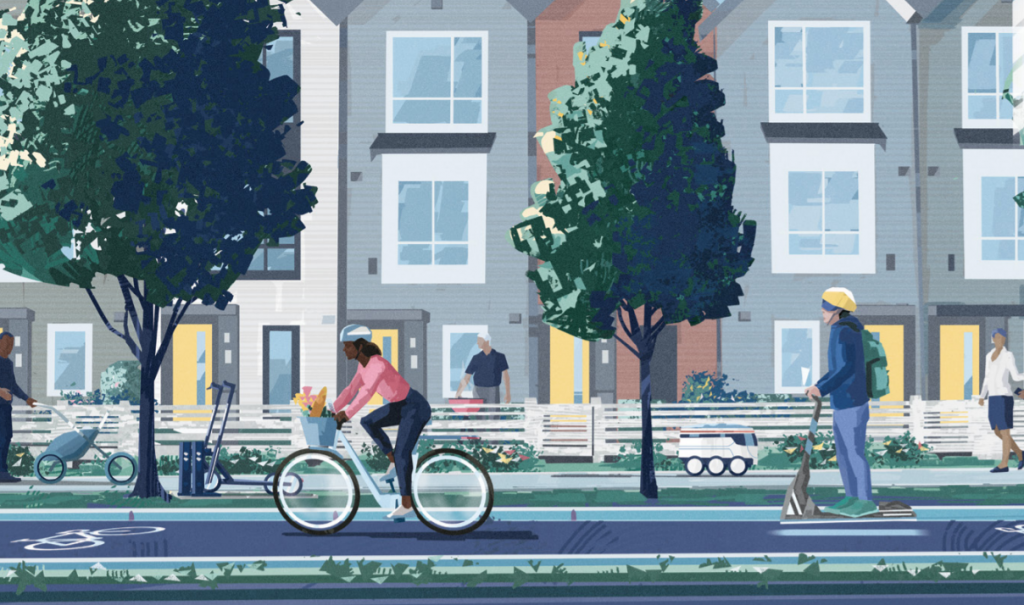
The aim is to make transit more reliable, more accessible, more affordable, and greener over the long term.
While it heavily involves TransLink, the strategy also includes solutions to greater transportation issues and climate strategies over several areas.
The Regional Transportation Strategy for 2050 hopes to have more than half of the transportation trips be made by public transit. (translink.ca)
The mayors have also been dealing with the short-term survival of service and projects, asking the federal government Wednesday to extend emergency pandemic funding for TransLink, which is predicting a loss of $200-million over the next two years.
You can watch the livestream of the vote here:
Among the improvements and goals, the plan includes additional projects to better connect communities through transit, in order to meet the goal of having one of the most modern and expansive transportation systems in North America.
Among the goals, “By 2050, active transportation and transit are competitive choices accounting for at least half of all passenger trips, with taxi, ride-hail, and carshare accounting for most of the remaining passenger trips.”
The plan also promises major steps in transit affordability.
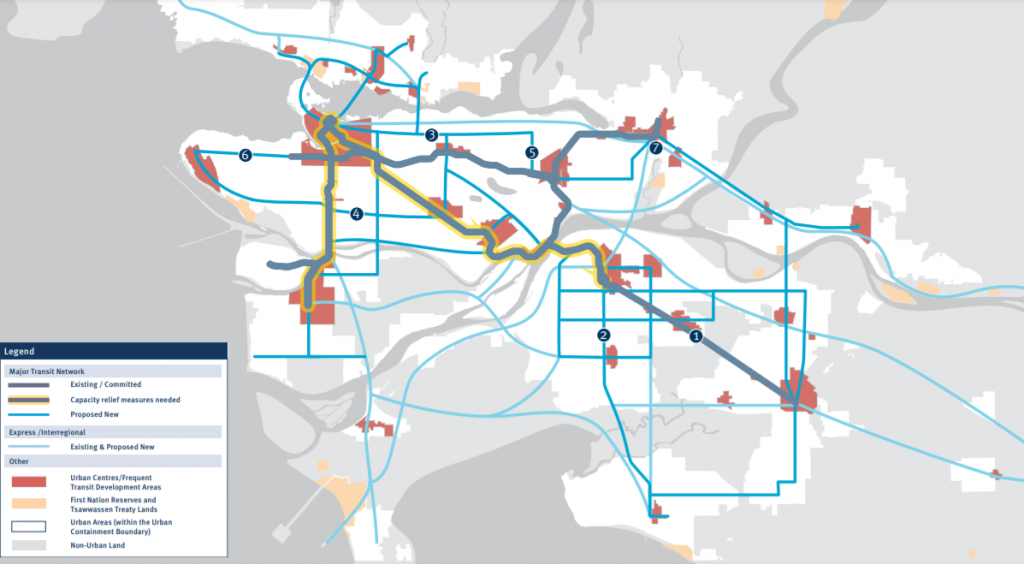
Map reflects Metro 2050 geographies as of 2021. (translink.ca)
“By 2050, none of us — but especially those of us with less ability to pay — need to spend more than 45% of our household incomes on transport and housing combined, ” the plan details.
Adding, “By 2050, people and goods are spending 20% less time stuck in congestion, compared to today.”
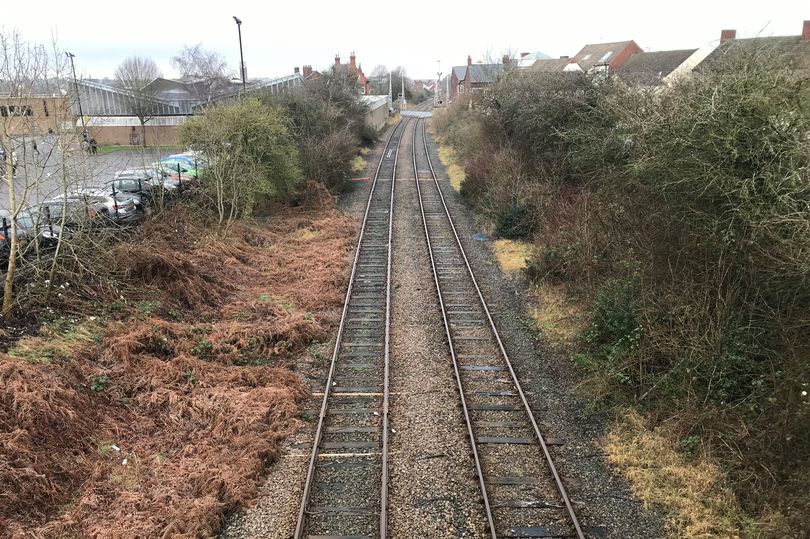
Another long a long abandonment of passenger services, the once called Ivanhoe line is set to reopen for passenger service.
The Leicester–Burton upon Trent line is a freight-only railway line in England linking the Midland Main Line south of Leicester to the Cross Country Route at Burton-on-Trent. The line closed to passengers in the 1960s.
Prior to 1964 the railway line was a direct passenger link between Burton on Trent and Leicester, but it was closed to passenger services under the Beeching Closures.
Now the area around is growing faster than in many other areas of the UK and a passenger railway is needed urgently.
At present the line is run only for slow-speed freight, mainly ballast trains from Bardon Quarry. We are lobbying for the realignment and upgrading of the track bed to allow light passenger trains to run a half-hour peak service. The estimated cost to open the approximately 45 km route is about £50 million (CAD $85 million). Put another way, the cost to reopen the line for passenger traffic would amount to under $2 million per km!
Reopening abandoned rail lines or upgrading little used rail lines for passenger service makes sense has it is extremely cost effective as most of the civil engineering is intact or still in use.
This is a lesson our federal and provincial politicians have yet to learn.
Leicester to Burton Ivanhoe railway line return ‘likely’, says expert
The line was closed in 1964 as part of the Beeching Cuts
A return to service for Leicestershire’s Ivanhoe Line “looks like” it will go ahead, according to an expert.
Ben Le Vay, a journalist who has written numerous books on the railways of Britain, said that the signs looked promising for a return to service to the Leicester-to-Burton railway line, with its chances looking better than ever.
The respected author, writing in the Express, said the line’s return was mirrored up and down the land by other railway returns.
“More than 150 towns and villages have been put back on the network, one by one,” he said.
“While massive, controversial, eye-wateringly expensive rail schemes like the HS2 link to the Midlands and North, and London’s Crossrail, have hogged headlines and funding, these small reopenings are arguably far more important to their local areas,” he wrote.
“In the Midlands, it looks like the Ivanhoe Line will go ahead – from Leicester to Burton-on-Trent – putting maybe seven towns back on the tracks,” he said.
Mr Le Vay’s comments came as campaign group Sustainable Transport Midlands (STM) unveiled plans for major railway returns which would benefit Leicestershire. Among these was a plan to return passenger services to the Ivanhoe Line which was one of the casualties of the 1964 Beeching Cuts.
The cuts have meant the likes of Coalville and Ashby have been without railways stations for nearly 60 years, but STM said its plans would mean both towns would get them back.
Coalville would also benefit from stations at the nearby Stephenson Industrial Estate, while Sinope and Moira would also gain a station
Plans to get the line up and running again last year hit the buffers after campaign group the Campaign to Reopen the Ivanhoe Line (CRIL) missed out vital government funding despite the backing of several politicians.
No official word on the line’s return has been made ever since, but despite this, Mr Le Vay said there had been “a change of mood” from the public and government in recent times, meaning campaigners should not give up hope.
“All over Britain, railway lines and stations closed under the savage cuts of the 1960s are slowly being reopened – to great rejoicing in those lucky communities,” he wrote.
He added: “A lot more needs to be done. But at least it’s on the right lines. All this would make Thomas the Tank Engine’s Fat Controller beam with pride.”
In our local ongoing transit debate the SkyTrain lobby and those who are just anti-LRT pointed fingers at Ottawa’s new transit system’s teething problems as a failed LRT line. For two years, local politicos and the media happily reported even minor problem and mishap with Ottawa’s light rail line while at the same time ignoring issues with our SkyTrain light-metro.
As recently as last week many local politicians were sneering at the mention of light rail, which prompted the previous post.
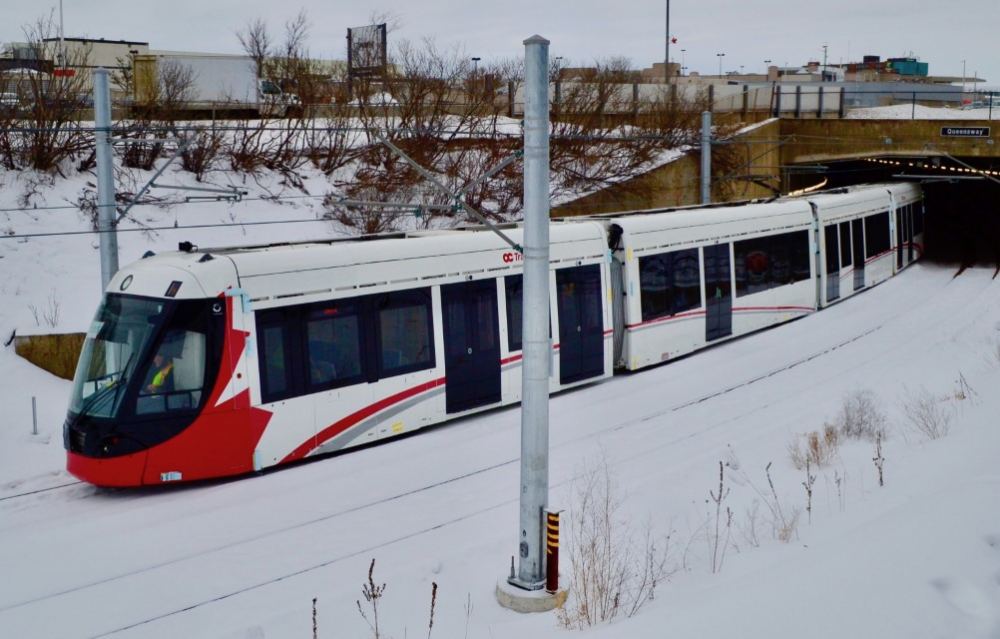
But when Ottawa’s new LRT operated well during a major snowfall, where 48cm of snow was dumped (12 cm in just one hour!) on the city and road traffic was almost at a standstill, nary a mention has been made.
“………………… that’s the expectation that it will run reliably in all weather conditions, and it did yesterday.”
With damning news about our SkyTrain light metro soon to be aired, those who pointed fingers at Ottawa’s LRT had better take care of business at home!
Those who support SkyTrain light metro do not cherry pick good news.
‘Quite pleased’: Ottawa LRT weathers record snowstorm
As city roads were blanketed in snow that was falling so fast plows couldn’t keep up, Ottawa’s light rail transit line was chugging along.
OC Transpo did not report any significant issues on the Confederation Line LRT on Monday, despite the city receiving 48 cm of snow, including 12 cm in a single hour between 8 and 9 a.m.
Speaking on the CTV News at Noon on Tuesday, Troy Charter, the city of Ottawa’s director of transit operations, said OC Transpo was happy with the performance of the train.
“We’re quite pleased with the service we were able to provide yesterday,” he said. “That rapid snowfall and that rapid accumulation that affected the roads and all motorists alike, you know, the rail line ran smoothly and ran reliably throughout the day and throughout the entire event, so we’re very pleased with what happened yesterday.”
Trains on the Confederation Line sometimes struggled during the first winter it was in operation. In early 2020, there were several issues with the line that stopped trains or caused switch heaters to fail. Work during the early days of the COVID-19 pandemic, as ridership dropped, allowed teams from Rideau Transit Maintenance to address the problems.
Charter said the city was prepared for Monday’s monster storm.
“It starts with making sure you have extra resources,” he explained. “You’re pre-salting platforms, you’re clearing out as much of the existing snow on the guideway where the trains operate, you do all these things in advance of the snowstorm and then you’ve got to react and respond and be very proactive throughout the event and we did that.”
Charter said that although 2021 ended on a low note, Monday’s service is a positive sign heading into 2022.
“We ended last year talking about the derailments, but last winter the rail line did run very well through most weather events too,” he said. “I’m not surprised that it ran as well as it did, and that’s the expectation that it will run reliably in all weather conditions, and it did yesterday. A real positive sign for everyone.”
Transit service was free in December because of two derailments within six weeks of each other during the summer, including one that kept service on the LRT offline for nearly two full months. The derailments prompted city council to request an auditor general’s probe into the system, which was paused following the Ontario government’s decision to launch a public inquiry.
Charter admits that ridership on the LRT was low Monday, as most people remained home during the storm. He said it was too soon to estimate whether ridership would return to pre-pandemic levels this year. Ridership has been significantly below 2019 levels since March of 2020 when the COVID-19 pandemic began.
Service on the bus system was stymied by the snow Monday, with reports of several stuck buses. Charter said things are now moving much more smoothly.
“Yesterday was a challenging day for all motorists, it was a challenging day for the buses but we’re faring much better today,” he said.
The big problem with light rail is that there are so many definitions that the public get confused.
In Metro Vancouver, unscrupulous politicians, planners, and academics deliberately confuse light rail and what is called a streetcar.
The article included is now seven years old or seven years and somewhat out of date, as what we call modern light rail transit is constantly evolving and reinventing itself.
In the 1980’s light rail vehicles (LRV’s) were large articulated cars operating on dedicated rights-of-ways, while surviving streetcar or tram lines mainly used non articulated cars, such as PCC cars operating on-street, in mixed traffic with little or no signal priority. In Europe many non-articulated trams hauled trailers. Indeed articulated trams were a rarity.
But, that was then.
Today, most on-street tram lines use articulated cars, some being larger than LRV’s. Budapest’s 56 metre long, CAF Urbos trams, nicknamed “Caterpillars” are 15 metres longer than the 41 metre long electric multiple units used on the Canada Line.
A Budapest “Caterpillar”.
Today the distinction between a modern tramway or streetcar line is blurred, with many of today’s tramways having the characteristics of both. The advent of TramTrain (a modern tram that can operate on main line railways), has further blurred the definition.
TramTrain in Germany. Is it a tram or LRT or a railway train? No, it is all three!
The lack of any one definition for LRT has lead many unscrupulous politicians, especially in North America to build hugely expensive light-metro and call them light rail. Seattle and Ottawa come to mind.
The integral part of light rail is that it operates on a dedicated right of way, with priority signalling at intersections or important junctions, thus giving the tram operating characteristics of that of light and heavy rail metros.
The lawned R-o-W gives the tramway a park like atmosphere, yet retaining an almost metro like operation.
A dedicated R-o-W can be as simple as dedicated lanes on a road or street or as complex as a lawned reservation. Once the tram operates on a grade separated R-o-W, either on a viaduct or subway it becomes a light metro.
A simple on-street reservation in Valencia.
In Europe the term LRT is not used and for good reason because only one style of vehicle is used, the tram or die strassbahn in Germany; le tram in France; el tramvia in Spain; il tram in Italy; tram in the Netherlands and so on.
The inherent flexibility of today’s tram enables it to operate as a streetcar, operating on-street; as light rail, on a dedicated right of way; as a metro on viaduct or in a subway; as a commuter train; and can even carry freight, operating on the mainline, all on one tram route.
No other transit mode in use today has such flexibility in operation, which is why the modern tram/LRT is the first choice of knowledgeable transit planners around the world.
A freight carrying tram that was in use in Dresden, Germany.
There is muchconfusion over what separates streetcars from light rail. That’s because there’s no single easy way to tell, and many systems are hybrids. To tell the difference, one has to simultaneously look at the tracks, train vehicles, and stations.
San Francisco’s Muni Metro runs both in a dedicated subway and on the street in mixed traffic.Is it a streetcar or light rail system? Photos by Matt Johnson and SFbay on Flickr.
It’s hard to tell the difference because streetcars and light rail are really the same technology, but with different operating characteristics that serve different types of trips.
For the rest of the story, please click the title.
Yes, Zwei told ya so, but got raspberries for my efforts.
The Cambie St. Canada line cut and cover set the precedent for businesses along the Broadway subway route – they don’t matter.
TransLink does not care.
The Mayor’s Council on Transit does not care.
The city of Vancouver does not care.
The Ministry of Transportation does not care which means the provincial NDP government and Premier Horgan does not care.
The lessons of the Canada line fiasco have been ignored and it is ……….
Damn the merchants, full speed ahead!
Addendum:The stated cost of the Broadway subway is $3.83 billion and not the $2.38 billion as quoted in the story. The cost is expected to rise past $3 billion.
Some Vancouver businesses frustrated as Broadway Subway project impedes access, parking
Some businesses on the Broadway thoroughfare in Vancouver say they’re frustrated as construction on a subway line extension impedes access to their doorstep for customers.
Portions of the busy corridor, its sidewalks and parking stalls have been blocked off for months to accommodate work on the Broadway Subway Project, a 5.7-kilometre extension of the Millennium Line.“It’s been brutal,” said Neil Wyles, executive director of the Mount Pleasant Business Improvement Association.
“There is no stopping, there’s no parking … I’ve had businesses leave just because you can’t get to them.”
Construction began on the $2.38-billion project in May and the new line is not expected to open until 2025.
When finished, it will include 700 elevated metres from VCC-Clark Station to a tunnel portal near Great Northern Way, and five kilometres tunneled below the Broadway Corridor from Great Northern Way to Arbutus Street.
Six underground stations will connect communities to the region, including a connection to the Canada Line at Cambie Street.
The project, however, has impacted the bottom line for some businesses, who are now concerned they won’t survive to see the extension up and running.
“Unless their ultimate goal is to just drive us right off the street, I would hope they’re wanting to look for solutions that make it possible for us to be here by the time this project is done, because 2025 is a long way off,” said Catherine Ellsmere, co-owner of Odin Books, a mental health bookstore on Broadway.
Foot traffic to her shop has essentially stalled, she told Global News, and Ellsmere is placing her hope in online sales and pre-orders.
Stopping along portions of it, however, are forbidden until July 28, 2023, according to signs posted on some parts of the street.
“We’re a mental health bookstore, right? People come here because they have anxiety and if we make it so stressful and so anxiety-provoking to get here, it defeats the purpose,” she said.
The B.C. Ministry of Transportation said it was unable to respond to a request for comment Tuesday.
Transportation Minister Rob Fleming has previously said “very extensive consultations” were conducted with businesses along Broadway in advance of the project, but the street will remain open throughout construction.
Earlier this week, the Storm Crow Alehouse on Broadway shut its doors for good, citing supply and labour shortages, and construction from the Broadway Subway Project as contributing factors.
“It’s really been a hindrance on business in the past few months,” said marketing officer Jessica Langer at the time. “We’ve noticed traffic is depleted. We’ve been talking with our restaurant neighbors and they’ve also stated they are struggling quite a bit as well.”
Portside Interiors, a furniture shop, opened on Broadway in 2021, and owner Gene Guindon said they knew about the challenges that would come with the project.
He’s hoping to gain access to Main Street rather than stay tucked behind construction fencing, however, and said his “fingers are crossed.”
“If you can’t stop, you can’t shop,” he told Global News.
Well it happened and 99 years ago a two mile subway was completed under the streets of Cincinnati, destined to never be used.
The Broadway subway is being built on a route with current ridership not being close to numbers needed to justify a subway. The estimated annual operating costs, based on Toronto Transit Commission’s calculations will be more than $40 million annually.
The subway is being built on a route that has a very high use of the $1 a day U-Pass, post secondary fare card.
The question that no one will answer is:
Where is the new ridership coming from?
This is TransLink’s dirty little secret because subways are rather poor in attracting ridership. Contrary to the nonsense peddled by UBC and SFU types, that density is a must on Broadway because all those new renters and leaseholders will have to take the subway……
NOT!
As the subway only goes East – West, there is not much scope for attracting ridership, then TransLink must force bus routes to feed the subway. TransLink will announce that major East-West bus routes will be rerouted to force people to take the subway, so claims of success can be made by politicians and subway boosters.
This is what happen when the Canada line opened, all south Fraser bus routes terminating in downtown Vancouver, by a secret agreement between the province, SNC Lavalin and TransLink, to transfer their customers at Bridge Port Station.
This is how TransLink engineers so called success, recycle bus customers onto the new rapid transit line and pretend they are new to transit.
The Broadway subway fix is in, but remember, subways are not the acme of transportation, rather an extremely expensive solution, only used when there is no other option.
Built but never used, the Chaleroi light-metro, still remains as stark reminder of politcal folly.
American history is rife with grandiose public works projects, some successful—like interstate highways—others less so, like that proposal to nuke a road through California’s mountains. Some wound up somewhere in purgatory; partially complete, with millions of dollars spent and many more required for completion. One such project is the subway in Cincinnati, Ohio; at more than two miles in length, it could be the longest unused subway system in the world. And more than a century since construction began, some hope remains that it may one day be put into service.
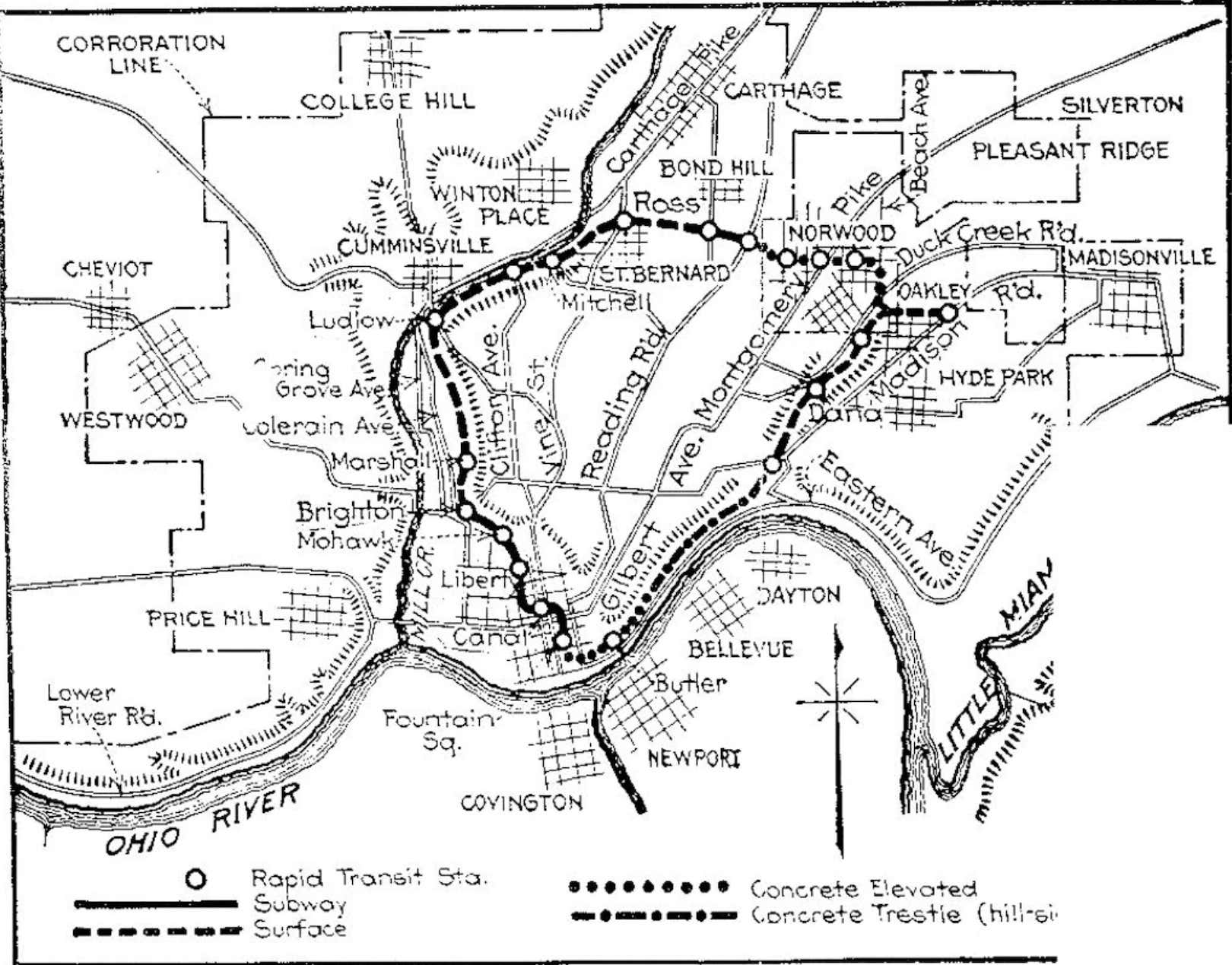
The Cincinnati subway’s roots can, according to the city’s official website, be traced back to March 1912, when officials appointed a board to set up a rapid transit network in the city. Its members hired a Chicago transit planner, who submitted a 16-mile city loop with an estimated cost of $12 million, later revised to $6 million (equivalent to $152 million today). Come 1916, an “overwhelming vote of almost six to one” approved the proposal, which was to run along a combination of subterranean, ground-level, and elevated tracks along the loop shown below.
Cincinnati Museum Center, 1914 Cincinnati subway proposal
Construction, though, wouldn’t begin until after World War I, by which point inflation had reduced the buying power of the $6 million allotted for the project. That cash could now only fund 11 of the network’s planned 16 miles of tracks. Further complicating matters, negotiations with municipalities across the metro area stalled the project for more than a year. Still, two miles of subway tunnels were complete by 1923, and in 1927, much of the aboveground infrastructure was too.
But the subway was still far from opening. Important connections were missing, no track had been laid, and worst of all, there wasn’t enough money left to address either problem. The transit board attributed inflation for its budget issues and estimated finishing the network would cost another $9 to $10 million (adjusted for inflation, about double the original cost). This was untenable to the newly elected Mayor Murray Seasongood, who in 1928 dissolved the transit board, and instead opened Central Parkway over top of the transit system’s right-of-way. Today, the road is a major thoroughfare through the city, but its surroundings are hardly what planners a century ago imagined the subway would’ve turned them into—local media criticizes the Parkway area as “drab.”
But 1928 wasn’t the end of the line for Cincinnati’s subway, which has over the 93 years since its cancellation been the subject of countless proposals from the public and private sectors alike. Some have pushed Cincinnati to follow through on some or all of its original transit plans, while others have recommended repurposing the network’s vestiges entirely.
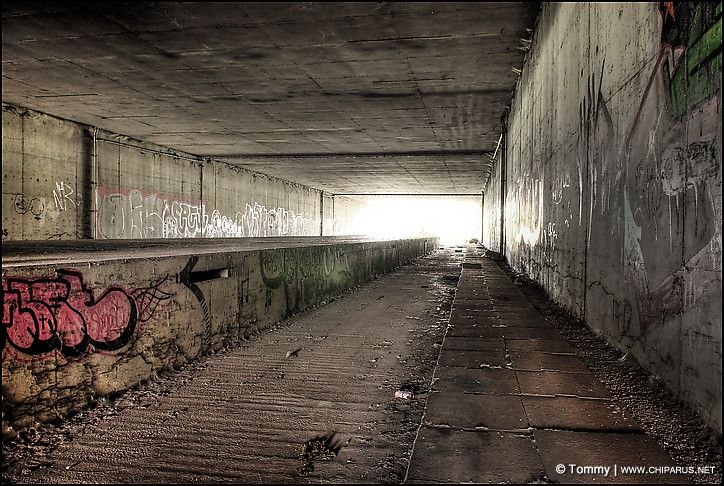
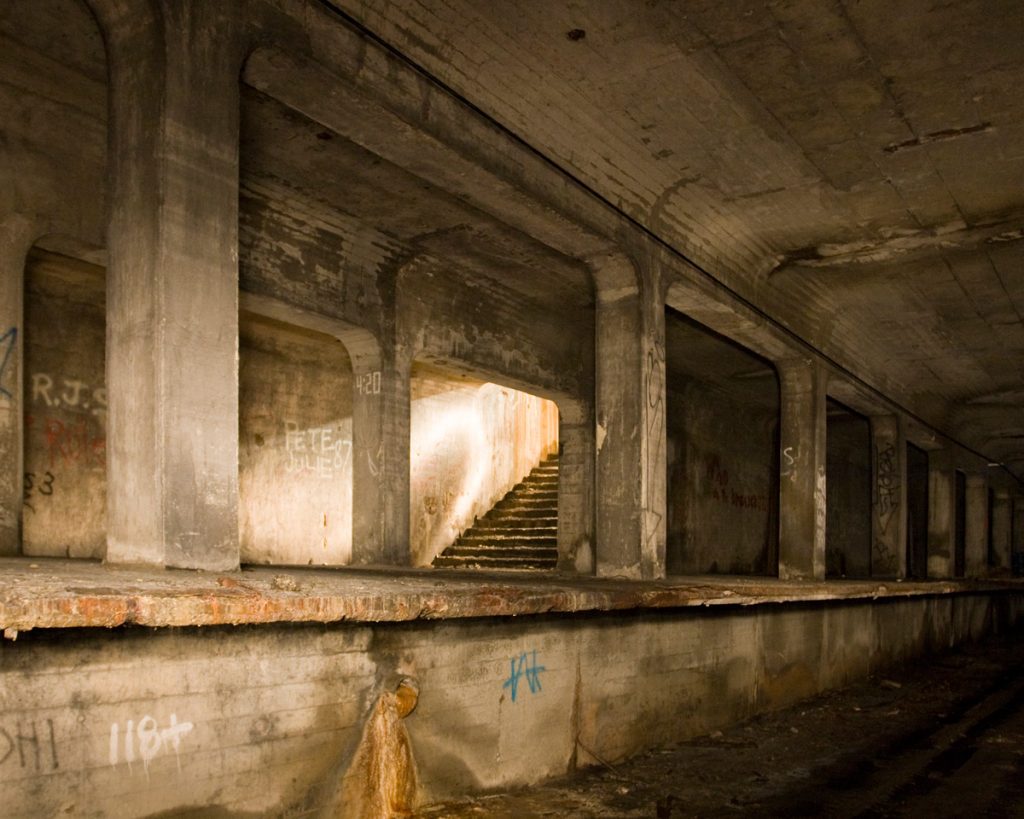
A subway tunnel built but never used.
In 1936, the Cincinnati Engineers Club called for routing the city’s trolleys through the subway tunnels. The streetcars themselves, though, were too long to turn the tunnels’ corners. In 1939, City Manager C.O. Sherrill suggested extending the tunnels to the riverfront, to empty into a parking lot, but money was again an object.
After World War II, the ideas began cropping back up, starting with a local business’ attempt to connect the railroads to the businesses along the route. It got as far as securing a five-year lease on the subway tunnels only to find freight cars, like the streetcars before them, couldn’t fit. Later on, in the 1960s, plans emerged to convert the tunnels into a government fallout shelter, and in 1969, the Episcopal Diocese of Southern Ohio asked if it could hold a 500-person candlelight communion in the catacombs. They couldn’t get the insurance for the event, though.
Since then, a winery has suggested turning the tunnels into a wine cellar, and locals have campaigned to make the tunnels an Atlanta-like nightlife destination, suggesting in 1974 that retail outlets and a nightclub could fill the empty space. In 1977, in the wake of the OPEC oil embargo, a multi-state transit committee advocated for putting the tunnels to their originally intended use. None of these proposals, obviously, went anywhere.
“We’ve had people approach us about using the tunnel for everything from grain malting, to a water bottling operation, to nightclubs—you name it,” said Cincinnati’s Department of Transportation Director Michael Moore to The Verge in 2016. The facilities apparently aren’t in good enough condition to support public use; the floors are reportedly uneven, and a water main installed in the 1950s has a constant leak.
Subways built for politcal prestige seldom are successful.
Ideas for how to use the subway have continued flowing in since the turn of the Millennium, too, and in 2008, even the city formally revisited the question of what to do with the tunnels. It determined it could refit the tunnels for a modern subway for $100.5 million, fill them in with dirt for $19 million, or for $2.6 million, just preserve them as-is. Just as before, when faced with spending millions to finish the subway on the precipice of an economic collapse, Cincinnati chose the cheapest solution. To this day, the Cincinnati subway is maintained as a derelict public space—though it needn’t remain such forever.
“I’d like to think we have a future for mass transit here in the city,” Moore said in a 2020 YouTube documentary on the subway. “We can run light rail vehicles in it, actually. You have to run them at lower speeds, but they are compatible to put light rail, or an electrified bus system, or something like that in. So, when the dollars, and the resources, and the culture comes around for that, they do present a great option for us to create some kind of rapid transit system, and to put those tubes back into their intended use.”
For now, though, Cincinnati’s subways will remain empty, and serve only as reminders of a bygone era; one where public transit was seen not as an inhibitor of free parking, but as the solution for efficiently moving the masses that it is.
I just shake my head at this government, they just do not have a clue about transit.
After listening to NDP Minister of Housing and Attorney General, David Eby about housing, I was absolutely gobsmacked how ignorant he is about transit. If Eby is ignorant about transit, one can assume that the entire NDP government is as well!
The provincial and federal governments are covering most of the cost of the almost $3 billion cost of the SkyTrain extension and construction is underway. But Vancouver has yet to approve the plan to add “thousands and thousands of units” of rental housing along the route.
At this rate, says Eby, “the subway is going to be done before the Broadway corridor plan is approved.”
SUBWAYS ARE NOT BUILT TO BENEFIT LAND SPECULATORS AND LAND DEVELOPERS, SUBWAYS ARE BUILT WHEN TRAFFIC FLOWS ON A TRANSIT ROUTE EXCEED 15,000 PERSONS PER HOUR PER DIRECTION ON A TRANSIT ROUTE.
Again, the peak hour traffic flows on Broadway are under 4,000 pphpd; the Broadway 99-B Line bus has only a maximum capacity of 2,000 pphpd!
I ask this question, tongue in cheek, but is closer to the reality than many would think.
How many people in $2,500 a month and up, condos along Broadway are going to take transit (subway) to work in the Tri-Cities (Port Moody, Coquitlam and Port Coquitlam)?
Not many. In fact, I predict the subway will force more people off transit than attract to transit. Not a car will be taken off the road.
The Broadway subway is being built for two reasons, with the first being politcal prestige and the second, Vision Vancouver’s (the NDP’s farm team in the city of Vancouver) gifting of a $3 billion subway to land land speculators and land developers for building high rise condos and towers for the overseas money laundering crowd to further launder illicit international drug money.
Remember, Premier Horgan’s chief advisor is a former Vision Vancouver Councillor and big, big subway booster.
Is a financial embarrassment of TransLink at hand?
Monday morning I dropped my wife off at a suburban bus stop to catch the express bus going to the Canada Line. The bus had no more than seven people on board. The reason she took the bus, is that we are a one car family and I needed the car for an important appointment. My wife used to commute by bus daily but after the Canada Line opened, her commute to town increased 15 to 20 minutes.
A new local job, just before the Covid emergency, meant she only needed to commute to Vancouver once a week. With Covid she drove instead and could get to her work in under 50 minutes, compared to the 90 minutes using transit. She only works one day a week in town and using the car is no great extra cost, when compared to the bus.
The 602 came and being the last stop before its dash to Richmond there was a total of ten customers the bus, with two others boarding with my wife.
I have noticed the same phenomenon with other suburban routes, with express buses having no more than ten customers on board trundling back and forth.
What has happened?
The main culprit is covid-19 and two years of mask only travel; remote education and working at home has taken their toll.
One comment from a former commuter who emailed me was more blunt:
Until I started taking the car again to work, as I did not realize how crappy the bus service was.
A blunt assessment of the bus service which our cancel culture mainstream media would not allow on air or publish.
Something else that happened last week that puzzled me, New Westminster Mayor, Jonathan Coté announced he would not run in this year’s civic elections. Mayor, Jonathan Coté also happens to be the Chair of the Mayor’s Council on Transit a prestigious position to hold, especially at election time and he is not running and no one seems to want the job.
Could it be that bad news is in the offing? News that could cut short a politcal career?
The “good news, bad news”, chair of TransLink has been doing pod casts, singing hosannas about himself desperately trying to be the Mr. Rogers of TransLink.
Again, I wonder if he is trying to isolate himself from bad news?
I think, as do many others, that TransLink is tilting on a financial precipice, caused by lack of revenue generated by a lack ridership; lack of a user friendly transit service and a lack of affordable planning. Presently, all TransLink can afford is a $2.85 billion, 5.8 km subway under Broadway. The 16 km Expo Line to Langley is more than a billion dollars short of funding and TransLink is desperately trying to reduce operating costs by rationalizing bus service in both the City of Vancouver and metro Vancouver.
Both last summers heat dome and November’s monsoon rainfall, causing massive damage to the highway and rail infrastructure and the floods in the upper Fraser Valley, means there will be little, if any financial relief in the next few years.
Shilling for higher taxes for TransLink in a civic election year is a big politcal no-no.
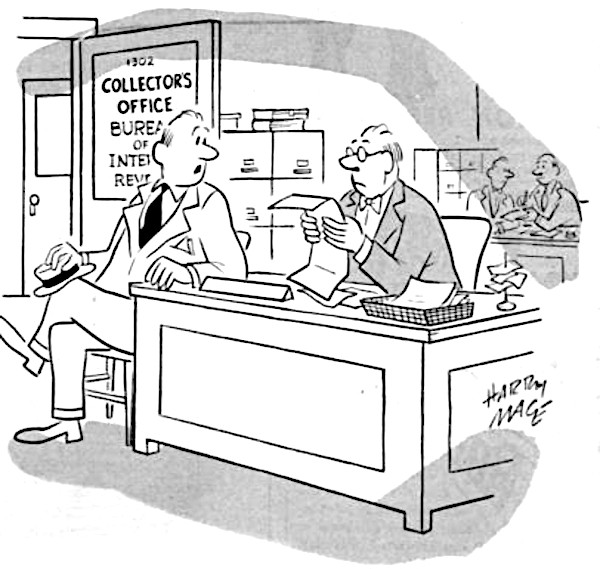
My problem is a simple one…I can’t pay it!” Harry Mage February 23, 1952
TransLink by skill of their media manipulation has kept the dire financial news from the public as Covid, vaccinations and the daily dose of goody two shoes news from the mainstream media has masked transit problems ……. for now.
The day of reckoning is coming, either increase taxes, as Trudeau is planning to do on the on paper value of houses or cut back on transit and transportation mega projects and build what is affordable and what is useful.
My prediction that the news of tax increases will come in December of this year, right after the civic elections as newly elected civic politicians will be safe for another four years.
TransLink is just too large, just too corrupt to fail.
The Covid-19 pandemic has made absolutely clear, we cannot go back to normal, as it has forever changed how people behave. Covid-19 is a prelude for great change in BC.
*
Last summer’s heat dome and subsequent wild fires shows we cannot go back to normal.
*
The recent atmospheric rivers resulting in massive floods and land slides, demonstrates we cannot go back to Normal
*
Metro Vancouver’s regional transit system has been greatly affected by the pandemic as thousands of of people stay home, with many either working or studying from home. This has put a massive finical strain on TransLink, which now claims a deficit of at least $75 million a month.
*
From the onset of “social distancing” TransLink seemed OK operating empty buses, without any hint of a “plan B” for operation during times of emergency. TransLink is now asking the provincial and federal governments for more money to keep empty buses operating and to keep huge executive salaries being paid.
TransLink and the Mayor’s Council on Transit are still pretending to proceed with their pet $2.83 billion, 5.6 km Broadway subway and their $3.95 billion 16 km extensions to the Expo and Millennium Lines, despite clear evidence that both projects are nothing more than “gold-plated” prestige projects, designed to further the profits of land speculators and land developers who support many of the mayors at election time. Both projects will only improve transit on paper and nothing more.
The proposed Broadway subway is being built on a route without enough ridership to justify its construction and the flip flop from LRT to light-metro in Surrey, will be again be built on a route where the ridership will not justify construction costs. TransLink has not offered an estimate of the increased operating costs or increased annual subsidies for both projects.
*
Questionable ridership projections are based on future condo tower development, based on foreign investment and this is not guaranteed! The already huge cost does not include the proprietary Movia Automatic Light Metro (erroneously called SkyTrain) cars, nor the inflationary cost increases for cement and specialty steel, needed for subway and viaduct construction.
*
It is no secret that the often renamed and now called Movia Automatic Light Metro (MALM), as used on the Expo and Millennium Lines is obsolete, as it has been obsolete since the late 1980’s, being more expensive to build, maintain and operate than its chief competitor, light rail.
Only seven such systems have been built in the past 40 years and only three are seriously used for urban transit, despite the system being rebranded six times!
Today, modern light-metro systems such as Ottawa and Seattle use light rail vehicles, because of their cost effectiveness and their ability to operate on lesser rights-of-ways, yet because MALM uses Linear Induction Motors, it is impossible to use LRV’s on the proprietary MALM system.
*
MALM cannot be built cheaply, nor can it be operated and maintained cheaply. The taxpayer pays a first class cost for a second class system and this cannot continue, post Covid-19.
The recent sale of Bombardier to Alstom puts into question the future availability of MALM cars and spare parts! With Covid-19 and a major economic downturn, production of niche transit systems like the proprietary MALM light metro, maybe discontinued. Alstom has already shown that it has little use for proprietary transit systems by discontinuing production of the TVR guided bus used in several European cities, leaving operators scrambling for spare parts.
Vancouver is now the only customer for MALM, as the systems built in Korea and Malaysia have mired Bombardier and SNC Lavalin (the patent holders of the proprietary railway) in legal misadventure, due in part, to healthy “success fees” paid to lobbyists and politicians, to ensure MALM was to be built!
*
The Broadway subway and the Expo Line extension to Langley extensions to the SkyTrain light-metro system are grossly overpriced for what they will do as light ridership on both extensions will greatly increase operating costs. Broadway, current peak hour transit customer flows are under 4,000 persons per hour per direction (pphpd). The North American standard for building a subway is a transit route with customer flows of at least 15,000 pphpd and operational subsidies increase dramatically with smaller customer flows.
Despite deliberate and misleading statements by TransLink and the City of Vancouver, Broadway is not the busiest transit corridor in Canada, as a representative of TransLink stated in a letter, Broadway was “our region’s most over crowded bus route“
TransLink and the Mayor’s Council on Transit have never been honest with the long term costs of the project, which over a fifty year period, will have grave implications for the metro Vancouver and BC taxpayers.
*
According to the Toronto Transit Commission, who have a long experience operating subways, the Broadway subway to Arbutus, alone, will add $40 million annually to TransLink’s operating costs.
*
The fifty year costs for subways and grade separated transit are staggering, estimated more than $1 billion per km for the subway portion and just under $600 million per km for the elevated sections of the light metro system. Already the original Expo Line desperately needs a minimum $2 billion to rehab (full rehab about $3 billion) the system and increase capacity beyond Transport Canada’s Operating Certificate maximum of 15,000 pphpd.
*
TransLink has ignored these costs, for fear of pointed questions about the massive future costs including tax increases.
The following is the 50 year costs of various transit modes, by Ontario’s MetroLinx.
Spending $7 billion for 16 km of light-metro pales, when one could instead invest $1,3 billion on both, the proposed Fraser Valley Rail project reinstating a 130km Vancouver to Chilliwack passenger service and $1.5 billion rehabbing the E&N, reinstating a Victoria to Courtney 183 km passenger service and still have $4 billion left over to invest in regional transit projects in Metro Vancouver.
*
Going into three years of the Covid-19 emergency has created long term financial hardships for taxpayers, not just TransLink. Even though there are generous government support, each month of lock down generates more and more fiscal instability for the taxpayer as future tax increases to pay for the emergency are certain.
*
The taxpayer will very soon, be in no mood, to fund Vancouver’s and Surrey’s $7 billion gold-plated, prestige transit projects, nor will the taxpayer and the transit user be willing to pay higher fares and other taxes for transit that about 85% of the population will not use.
*
As Premier, you must step in and say “enough” as TransLink and the Mayor’s Council on Transit have isolated themselves from public oversight and ignore public debate.
In 2015, 62% percent of the people voted against TransLink’s demands for money, yet they have done nothing but play the taxpayer and voter for fools by offering virtually the same plan with no real public input. TransLink’s public oversight is nothing but a charade; a smokescreen to carry on with their hugely expensive rapid transit agenda.
In the post Covid world TransLink must plan for affordable transit projects; build user friendly transit projects and refrain from doing the same expensive thing over and over again hoping for different results.
*
2022 and beyond will be an age of higher taxes, to pay for today’s emergency funding and rebuilding the provinces road infrastructure from the results of atmospheric rivers; more people will work at home, thus fewer people will use public transit; social spacing will see different travel routines, again reducing the need for gold-plated transit options.
*
Then the reality of unintended consequences of today’s reality will come into play and those could prove very expensive.
*
TransLink needs to rethink its planning; the Mayor’s Council on Transit needs to rethink how transit is provided and funded; and the provincial government must rethink its rubber stamping Metro Vancouver’s questionable transit planning.
*
The taxpayer and the transit customer deserve far better than the current sham planning, complete lack of oversight and failure to correct the current mess maybe felt at the polls in the next election three years hence.
After 23 years the taxpayer is still held hostage to expensive and myopic light-metro planning.


 The municipality has endorsed the Route 1 option, running from the Production Way-University SkyTrain station to UniverCity and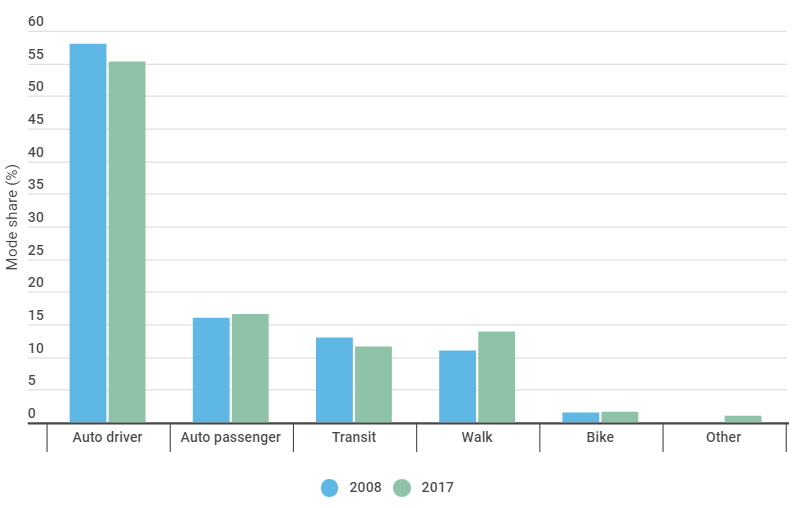













Recent Comments