I am beginning to wonder why TransLink hired this chap from Seattle, as he seems a wee bit out of his depth.
Zwei’s opinion is that Kevin Desmond was given the nod because of his familiarity with light-metro, which indeed the Seattle LRT is with now well over 80% of it route grade seperated either on viaduct or in a tunnel.
Mr. Desmond does have a good record winning plebiscites in King County, but his unfamiliarity with TransLink and especially the driverless SkyTrain light-metro, which he is looking into to operate 24 hours a day, could be his Achilles heel.
He erroneously claimed that the vehicles have only four hours each nightAi?? available for maintenance. It’s not the cars old chum, which a maintained as per schedule; it is the signalling system which needs to be constantly checked and kept in good repair, lest the system stops working during revenue operation. Driverless transit systems need down time every day to maintain good operation, unlike light rail, which with driver, does not have the problems that a driverless transit system does and can operate 24/7 if need be.
The cliche; “TransLink runs a system that is envied by many cities in the world.” is so tiresome that it makes the BS metre go off the dial. Just what cities envy Vancouver Mr. Desmond, please name names, because with Zwei’s 30 years experience very few cities knows very much about Vancouver’s transit system, let alone envying it.
This smacks of ignorance and I am beginning to wonder if Mr. Desmond will last any longer than Tom Prendergast.
TransLink needs help to improve customer experience: CEO
TransLink runs a system that is envied by many cities in the world: CEO
VANCOUVER (NEWS 1130) ai??i?? The CEO of TransLink is hoping the federal government keeps its promise to contribute some of the money needed to fix transit issues.
Kevin Desmond says customer experience will only improve if we invest in the system, otherwise, there just isnai??i??t any way to address issues like under serviced routes and overcrowding.
ai???That is going to require as well some new funding going forward, so I am focused on how to improve the customer experience both within the resources that TransLink has and hopefully if we can obtain new funding to grow the system; that is where the real customer relief is going to be.ai???
ai???That would include a 50 per cent contribution to the TransLink regional transit needs and that is a big boost from the prior 33 per cent assumption of federal revenue,ai??? he explains.
Desmond believes people will always be critical of a company that serves so many but is quick to point out TransLink runs a system that is envied by many cities in the world.
The Basel metre gauge tramway network (German: Basler Strassenbahn-Netz) is a network of tramways forming part of the public transport system in Basel, a city in Switzerland, and the Swiss part of its agglomeration. It consists of 13 lines. Due to its longevity (the network is now more than a century old), it is part of Basel’s heritage, and, alongside the Basel Minster, is one of the symbols of the city.
The trams on the network are operated by two transport providers: Basler Verkehrs-Betriebe (Basel Transport Service) (BVB) and Baselland Transport (BLT). Both operators are part of the integrated fare network Tarifverbund Nordwestschweiz (TNW), which in itself is part of the three countries-integrated fare network triregio.
BVB is owned by, and operates in, Basel-Stadt, the small canton comprising the city of Basel and two smaller municipalities, both situated right of the Rhine. Its green trams operate mostly in the city, although the termini of its lines 3 and 6 are in the more rural canton of Basel-Land, whilst line 8 terminates across the frontier in Germany.
BLT is owned by Basel-Land, and its yellow and red trams operate in the outer suburbs to the south of Basel, and at one point pass through the territory of France.[5] However, the three lines it operates, lines 10, 11 and 17, all also run over BVB track in central Basel. In addition line 14, while owned by BLT, is operated by BVB well into Basel-Land.
Though the Bombardier and SNC owned ART (SkyTrain, they hold the patents) proprietary railway is not mentioned, I would bet the farm that Bombardier and SNC are behind this to build an ART automatic railway.
Bombardier’s home province is Quebec, yet Quebec has never built with the proprietary ICTS/ALRT/ALM/ART (SkyTrain in Vancouver, well not quite) now, with their aero division in financial difficulty and are in negotiations in Ottawa for a bailout; a light-metro project surfaces in Montreal.
The foul odor of Quebec politics, hangs over this announcement like fresh chicken manure.
In a telephone conversation with Surrey’s chief engineer, the chap told Zwei that the cost for LRT in Surrey was about $80 million/km and that for SkyTrain, $130 million/km. yet this ambitious 67 km project, due to be finished by the end of 2020 is estimated to cost a mere $82 million/km!
Yes and I have a shares in the Port Mann Bridge to sell you too!
Something just does not add with a light-metro project over twice as long as Honolulu’s under construction light metro, but costing $2.7 billion less?
Added to this, it will be in full operation in just four years?
Whoa, hold on there partner, something does not add up, but costs never add up in Quebec and now is the first real test for Trudeau’s liberals to say no to a project that is obviously ill planned and poorly costed out.!
This must be the last gasp of ART as it was obsolete before it was born; now ridiculously cheap in its last gasps.
Please could someone put it out of its misery and at the same time, save the Canadian taxpayer a lot of money.
Light-metro, looks nice in graphics,
but hugely expensive to build and equally expensive to operate.
$5.5B project funded by province’s pension fund would span West Island, South Shore
ByAi??Benjamin Shingler, Steve Rukavina, CBC News Posted: Apr 22, 2016
One of the new commuter rail stations envisioned by the Caisse de dAi??pA?t et placement du QuAi??bec. (Caisse de dAi??pA?t et placement du QuAi??bec)
Quebec’s pension fund,Ai??theAi??Caisse de dAi??pA?t et placement du QuAi??bec,Ai??is proposing to fund an ambitious new commuter rail line thatAi??would change the face of public transitAi??in Montreal.
The electric, fully automated 67-kilometre rail line would connect 24 stationsAi??stretching from the South Shore to Montreal’s TrudeauAi??airport and beyond, to both theAi??West Island and Laval.
Under the proposal, trains would operate seven days a week fromAi??5:00 a.m.Ai??to 1:00 a.m.
The system would use a combination of existing and newly built stations ai??i??Ai??and would fulfil two long-standing demands of commuters, the Train de l’OuestAi??and light rail on the new Champlain Bridge.
The Caisse says it’s willing to invest $3 billion in the $5.5-billionAi??project.Ai??The province and the federal government would have to makeAi??up the rest.
The plan is to have the trainAi??running by 2020.
A map of the proposed rail line that would connect Montreal’s West Island, South Shore and Laval. ( Caisse de dAi??pA?t et Placement)
Hats off to Bob Mackin, for his continued journalistic investigation of TransLink and SkyTrain.
The cost overruns on the Evergreen Line were expected as TransLink’s Business Case for ART for the Evergreen Line was as phony asAi?? the proverbial $3.00 bill.
Also, it is no surprise that TransLink is censoring its Broadway subway and Surrey LRT planning because both projects are ill planned and grossly expensive for what thy will do. TransLink will not admit that both projects are vanity projects to suit the political whims of Vision(less) Vancouver and the former and present mayors of Surrey. Both projects will not improve congestion and reduce pollution, in fact the two projects are so badly planned, the opposite will happen.
For TransLink, this is business as usual and senior bureaucrats still wonder why the voter dealt them a terrible loss at last years plebiscite.
When you have idiots running the show, don’t be surprised at the results.
Evergreen Line delay costs lead to mediation, B.C. government hiding info on costs, changes and challenges
SNC-Lavalin and the provincial government are in mediation over cost overruns at…
SNC-Lavalin and the provincial government are in mediation over cost overruns at the Evergreen Line rapid transit project, Business in Vancouverhas learned.SNC-Lavalinai??i??s infrastructure and construction division took a nearly $27 million hit in 2015ai??i??s second quarter, and it laid part of the blame on ai???challenging soil conditions.ai??? Tunnel boring was stalled for five months last year, delaying plans to complete the $1.43 billion Millennium Line extension from summer 2016 to fall 2016. Last November, the Ministry of Transportation and Infrastructure said it would open in early 2017.ai???SNC-Lavalin does not comment on ongoing mediation or litigation,ai??? said Louis-Antoine Paquin, the companyai??i??s media relations manager, who referred BIVto the Ministry of Transportation and Infrastructure.Amanda Farrell, the governmentai??i??s project manager, did not respond for comment, but an emailed statement from the Ministry claimed the project is on budget and said EGRT Construction, the SNC-led consortium, is responsible for any costs associated with schedule delays.
ai???As with any ongoing contract of this size and complexity, we remain in discussions with the contractor during the project in order to ensure the taxpayersai??i?? interests are represented and the project follows the contract,ai???Ai??according to the statement, which was sent by spokeswoman Trish Rorison.
The B.C. government hired the troubled Montreal engineering and construction firm in 2012 on an $889 million fixed-price contract after SNC-Lavalin accepted the risk of geotechnical conditions in the tunnel. The project geotechnical report in 2011 by Golder Associates said there were variable soil conditions, clays, minerals, boulders and groundwater on the route.
The ministry is also blocking attempts to determine the cost impacts of project delays and scope changes.
It censored all dollar figures from the construction change order log released under Freedom of Information, claiming it feared disclosure would harm government finances and third-party business interests. The more than 75 changes to the project include additions to bus loops, extra costs for public art installations at stations, removal of Compass fare gate barriers at five stations and a dual 700MHz/800MHz radio band to be compatible with E-Comm requirements.
The ministry is also demanding payment of $960 before it will release all monthly project status reports since January 2014.
Meanwhile, TransLink is withholding nearly all content from 683 pages of expert reports it commissioned about the proposed Broadway subway and Surrey light rail projects.
The reports are about the design and business case for the projects, but TransLink claimed the information is subject to change and disclosure could harm commercial negotiations.
Among the seven partially visible pages in a November report by Stantec about the Broadway plan is a description of the work.
ai???(Phase 3A) includes exploration of environmental and First Nation issues, potential issues below grade along Broadway including geotechnical conditions, utilities and a crossing/connection to the Canada Line, issues surrounding transfers to the station locations, operations considerations, station design, accessibility, safety, level of station head-house intrusion at the surface onto the public space and the future extension of rapid trains to UBC. The study includes intermodal transfer challenges at Arbutus and Cambie stations.ai???
Experts have met regularly with TransLink and City of Vancouver staff. Officials from the University of British Columbia, the transport ministry and PartnershipsBC were invited to key meetings.
ai???The level of design of project components varies and is commensurate with the Phase 3A objective to ensure a reasonable level of confidence (+/- 30%) in project cost and revenue estimates and to progress essential business case inputs,ai??? the report said. ai???Subsequent phases of work will further advance this design to inform funding and procurement decisions.ai???
The Broadway proposal was budgeted at $1.98 billion in 2012. In March, Surrey city staff told council that the Surrey project cost had increased by $500 million to $2.6 billion. Steer Davies Gleave and Hatch Mott MacDonald are leading that study.
TransLink CFO Cathy McLay would not provide new cost estimates after the March 30 board meeting, but said officials were wrestling with the rising cost of real estate and the drop in the Canadian dollar. Experts were given another three months, until the end of June, to finish their final reports, she said.
In early 1996, during BC Transitai??i??s meaningless public consultation period for the Broadway Lougheed Rapid Transit Project which later morphed into the Millennium Line, Zweisystem received a phone call from an European Transit specialist, who worked for Asea Brown Boverai (later absorbed by Bombardier Inc.) regarding the project.
The European transit specialist, wanting to make contact with those planning for light-rail, had phoned BC Transit to arrange a meeting regarding the then proposed Broadway/LougheedAi?? LRT project and was given Zweiai??i??s phone number instead!
After his initial shock and displeasure being fobbed-off by BC Transit, the transit specialist entered into a long conversation with me on transit issues in the region and how modern light rail could help solve them. To make a long story short, he proposed a classic European style tramway for Broadway, with stops every 500m to 600m, going from BCIT to UBC, replacing all Broadway bus services and a second line via Main Street, Hastings St. to Stanley Park, that, he claimed would double present bus ridership on the two routes within two years, providing enough fare revenue for the tram to operate without any subsidy, with fares covering not only operating costs but most or all debt servicing costs as well. By doing so, a private company could build and operate the light rail line at no or little cost to the taxpayer.
The rest is history as they say and the SkyTrain Millennium Line was built instead and is subsidized by over $80 million annually!
The Light Rail Committee Proposes the BCIT to UBC and Stanley Park Light Rail Project.
In late 1996 the Light Rail Committee (now defunct) proposed a bold Broadway light rail plan: a tram/light rail line from BCIT to UBC via the Lougheed Hwy., Broadway, 10th Ave. and University Blvd. with a second line via Main street to Hastings Street to the Aquarium in Stanley Park. The plan consisted of lawned reserved rights-of-ways and on-street running; priority signaling on traffic calmed Broadway and Hastings Streets; tram/streetcar stops every 500 metres; a single track Vancouver General Hospital Loop via Fraser St., 10th Ave. and Cambie St., providing front door service to the hospital.
Commercial speed would be about 20 kph to 25 kph (depending on the number or tram-stops per km.) and the construction costs in the region of $25 million/km to $35 million/km; maximum hourly capacity of 20,000+ persons per hour per direction using modern low-floor trams.
Signaling would be line of sight with intersections and switches protected by local signaling. Headwayai??i??s could be as low as 60 seconds in peak hours.
What the LRCai??i??s plan would do is service many important transit destinations (UBC, BCIT, VGH, downtown Vancouver, Stanley Park, etc.), while providing economy of operation by replacing all bus services on Broadway and many in Vancouver, thus reducing operating costs by about half. Further economies are made by using existing masts and span wires along the proposed transit routes. The new LRT would be merely seen as the reinstatement of ai???railai??i?? service by modern streetcars, operating on 21st century rights-of-ways.
The concept of a private operator, by securing financingAi?? to build the line at no or little cost to the taxpayer must be looked at by politicians. This type of P-3, not to be confused with the Canada Line scam, would see little or no subsides from government, unlike the Canada line which is subsidized by TransLink by over $110 million annually.
The plan would reduce Broadway to one lane of traffic in each direction (passive traffic calming) except in areas of mixed operation, while keeping the all important on-street parking for local merchants. The plan would have offered a minimum of five transit routes: BCIT to UBC; BCIT to Stanley Park; UBC to Stanley Park; UBC and BCIT to VGH loop.
The plan incorporates modern European light rail and tram practice; lawned reserved rights-of-ways, modular cars, high capacity, passenger comfort, and affordable cost. It was not to be, as the Glen Clark NDP government, for reasons that can only be speculated, dismissed LRT out-of-hand and went for a truncated SkyTrain light metro line, the only metro in the world that went nowhere to nowhere.
The half completed Millennium Line, will only see full service to the Tri-Cities in election year 2017, in the guise of the $1.4 billion Evergreen Line.
Now the City of Vancouver and TransLink are demanding a $3 billion dollar subway under Broadway.
It is time to again to consider again a BCIT ai??i?? UBC ai??i?? Stanley Park light-rail network, that could cost the taxpayer little or no money instead of a $3 billion subway to Arbutus or a $5 billion plus subway to UBC that ignores transit concerns East of commercial Drive.
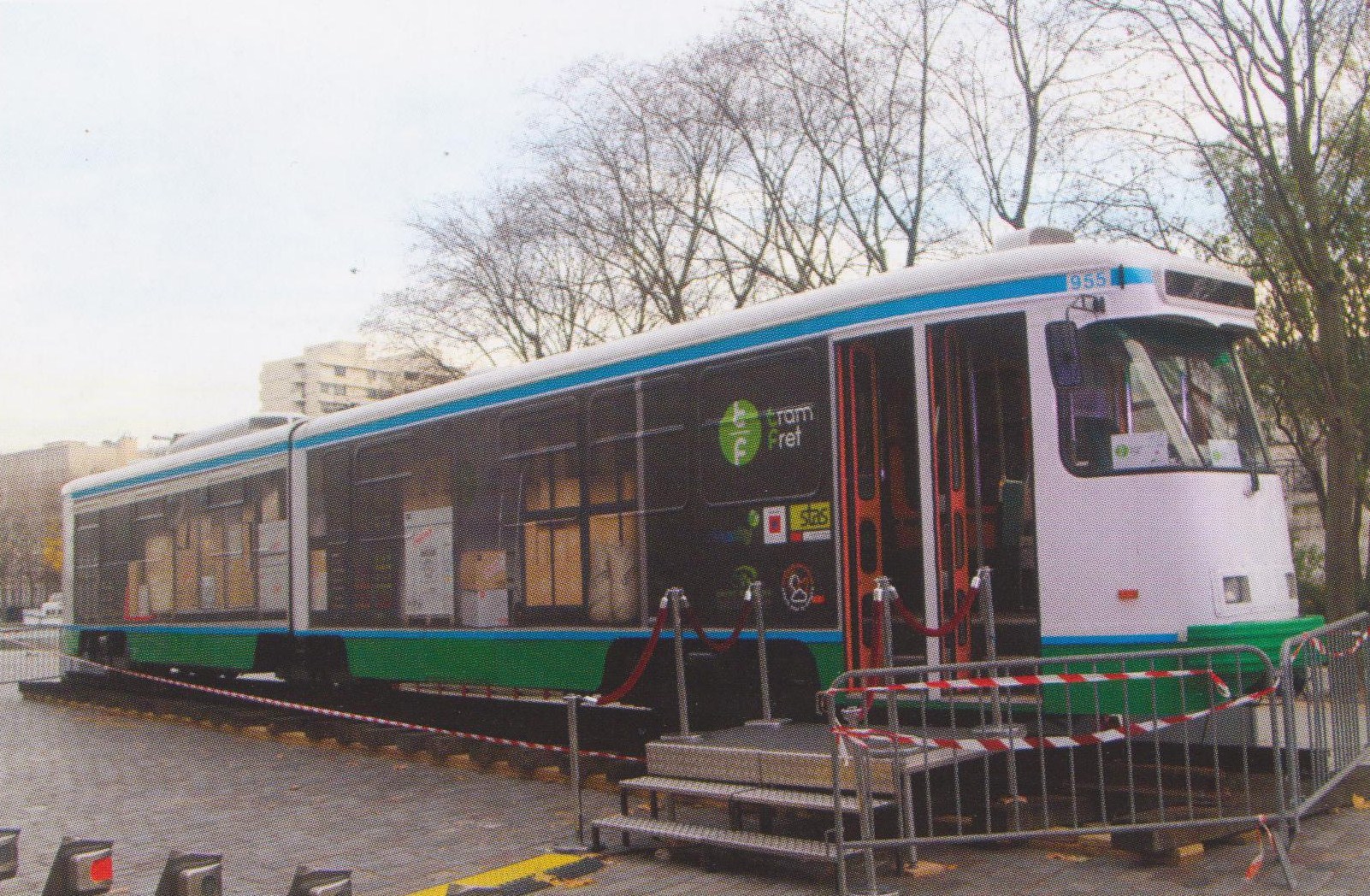
Freight trams have been used almost since the first passenger carrying tram trundled down cobblestone streets. Today, except for a few cities, carrying freight by tram was a lost art, but no more.
The concept of carrying freight by tram is once again being explored Ai??in St. Entienne, France
to help reduce auto congestion and pollution in city centres.
In North America, the former interurban lines also carried express freight,
many with dedicated freight-motors.
Not quite a freight tram, but this Ukrainian example is a former
tram and trailer converted to carry long loads of rails or poles.
In Switzerland, a tram locomotive is hauling a specially built car for hauling rubbish.
Dresden saw the first successful use of a freight tram,
the CarGo Tram, carrying containers from one Volkswagen factory to another.
For advocates of the Broadway light rail, with UBC at the terminal end of the line, the CarGo or freight tram concept, reducing trucks on the roads by carrying freight by tram to the university complex may well be the tipping argument in favour of LRT, as the SkyTrain subway folks have no retort.
LRT is an extremely flexible mode and it is time to let our single minded politicians and bureaucrats know this.
Not well reported in the mainstream media is the fact that the $200 million Compass Card/Fare gate systemAi?? is now next to useless because not so honest people can hack through the system.
The Compass Card is old tech, sold to TransLink after an orchestrated campaign by the mainstream media that fare evasion was rampant and that fare gates were needed; and yes former premier Gordon Campbell’s best buddy, and senior bureaucrat at the City of Vancouver,Ken Dobel,Ai?? just by coincidence was the lobbyist for Cubit Industries, trying to flog their dated wares.
This debacle is not TransLink’s fault, rather it is the BC Liberal’s fault forcing yesterday’s tech on today’s transit system.
Sometimes the old way to collect fares is the best way and really, $200 million would have been better spent improving transit, rather than financing another boondoggle.
CTV reporter Jon Woodward shows that hackers can bypass SkyTrain fare gates
TransLink officials are facing another controversy over the Compass card.
A Vancouver journalist has demonstratedAi??that the $194-million Compass-card system can be hacked to gain free access to SkyTrain.
Ai??CTV’s Jon WoodwardAi??ran an expired Compass ticket by his smartphone, showing howAi??this simple actAi??could open the closed fareAi??gate at a SkyTrain system.
“They look like paper tickets but inside is a chip that keeps track of how long you can ride,” Woodward told his viewers.Ai??”These are for single trips but CTV News was alerted to an apparent security flaw, one that allows anyone with a smartphone and two free apps to use the tickets more than once.”
This is accomplished with the help of NFC technology, which rewrites the data on the ticket. According to Woodward (aAi??UBC mathemetics grad), NFC isAi??widely available, including on Google Wallet andAi??Apple Pay. AndAi??he noted thatAi??similar ripoffs have occurredAi??on transit systems in other cities.
TransLinkAi??announcedAi??in 2010 that it had selected San Diego-based Cubic Transportation Systems and IBM as its supplier of a new smart-card-operated fare-gate system. Cubic’sAi??lobbyists includedAi??former TransLink CEO Ken Dobell and former Millennium Line project manager Lecia Stewart.
At the time, the regional transportation authority saidAi??that the smart-card systemAi??would be operational by 2013. Delays prevented it from being completelyAi??rolled out on SkyTrain and SeaBusesAi??until this year.
Kirk Lapointe was chosen by the Non-Partisan Association,Ai?? to be the party’s nominee for Mayor of Vancouver in the November 15, 2014 municipal election. Lapointe received 40% of the vote, coming in second behind incumbent mayor Gregor Robertson who received 46%. Following his defeat, LaPointe said he intends to put politics ai???in the rear view mirrorai??? and is uninterested in running in being a candidate in a future election saying ai???I recognize it comes with a physical, emotional toll, and Iai??i??m not sure I want to experience that any time soon.
This is a major, make no mistake, Kirk Lapointe speaks for businesses in Vancouver and businesses along Broadway are extremely leery of a cut-and-cover subway, lest it does the same financial damage that the Cambie St. cut-and-cover did.
The chilling costs of this project are beginning to sink home, especially with families fleeing Vancouver due the massive inflation of housing causing major demographic change. Building a $3 billion plus subway to carry mainly cheap fare, $1.00 a day, U-Pass students to only Arbutus, just does not make economic sense.
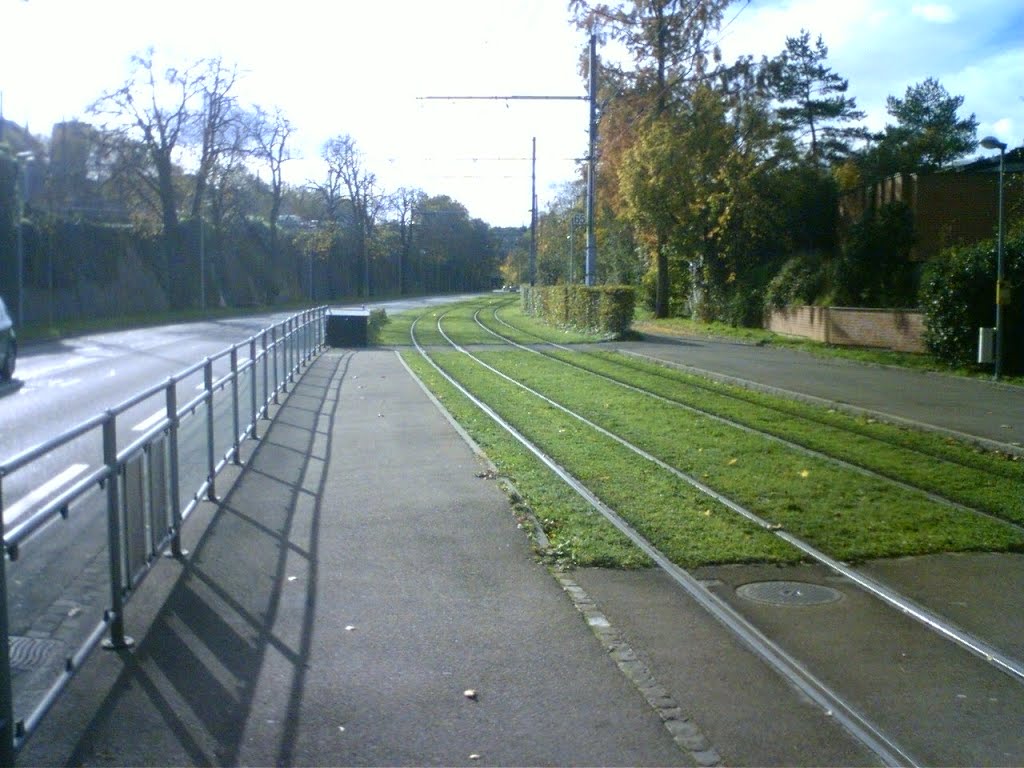
Rich people do not take subways, but they just might take a tram as they do in Basel Switzerland to show confidence in the city’s tramway and affordable transit planning. It’s seen as good business sense.
As Churchill is quoted from events in North Africa in 1942;Ai?? “Now this is not the end. It is not even the beginning of the end. But it is, perhaps, the end of the beginning.”
For our future’s sake, I hope it is as well.
Last stop for the cityai??i??s $2 billion Broadway corridor subway line
It is time to take stock of what was once the unthinkable: that the Broadway subway line might not be wise to build any longer.
The brave faces of city leaders would have us believe theyai??i??re heading out to the hardware store to get the shovels to start the work. The shovels would be better suited for what theyai??i??re saying.
The cheques are not in the mail. The money isnai??i??t even printed, much less in the bank. The real financial reckoning for this project is into the next terms of the federal, provincial and municipal governments.
The proposed $2 billion extension of the Millennium Line from VCC-Clark over to Arbutus has been years in the touting and planning and many more years in arrears and inertia to serve the needs of a corridor choked by stop-and-start traffic and cheek-to-jowl buses. It may be a better idea for yesterday than for tomorrow.
Our viability and livability depend on better public transit ai??i?? not in a decade, but today, because we have waited a decade. Trouble is, the line has taken only one teensy step forward and some significant steps back since it was identified as one of several core projects in the Mayorsai??i?? Council report on transportation in 2014.
Here we are in 2016, nearly mid-term for the Metro Vancouver governments, nearly a year after their plan to impose a 0.5% personal sales tax was smited in a regional plebiscite.
That there was not an immediate Plan B to the setback, that there is radio silence still, suggests at best indifference and at worst incompetence.
No doubt, with the municipal hands economically tied, the hard work necessary to effect the regional transportation plan has been awaiting a saviour at senior levels of government. On this, it seems Justin Trudeau is the chuckles, Christy Clark is the knuckles.
Still, a step forward: the federal government has said that, when the time comes for the project to be reviewed, it will finance half of its cost instead of the traditional one-third. With the province in for one-third, that leaves the region holding a 17% obligation.
First step backward: the 17% obligation weighs much more than earlier thought. The project cost was last estimated when the dollar was near par and the Canucks were above par. Imported components of the project now come at a 30% to 40% premium, thanks to the devalued currency, and that doesnai??i??t include inflation, which in the infrastructure business is a term to describe the amount that can be pumped into the price.
Second step backward: the land that the region needs to buy was last scoped years ago. You might have read it in the news, but in case you havenai??i??t: local real estate has been appreciating in value, roughly at double the rate of infrastructure inflation. This is not lost on TransLink, whose chief financial officer asserts there will be a ai???dramaticai??? impact on the cost of acquisition.
It may be that the mayors are awaiting the next TransLink project estimate at the end of June to determine the most survivable method to extract blood from a stone. It seems mathematically inconceivable they can turn up the tap on property taxes or bleed developers of community amenity funds to finance their share through any existing method within their purview, so they will need to get the provinceai??i??s blessing through a supported plebiscite to tap a new revenue vein.
Whatever the case, the price tag is being taped over with a new one. And we should worry about the ultimate cost. Put it at closer to $3 billion than $2 billion now. Is that the best we can do ai??i?? in the swiftest time ai??i?? with the money? Letai??i??s see now. A provincial election. A plebiscite. Project definitions. Public hearings. Environmental assessments. Procurement. Selection of a construction contractor. Federal funds. Building and building and building. The mayor, in whatever capacity he finds himself then, can use his seniorsai??i?? transit discount when the ribbon is cut.
On the other hand, if weai??i??re serious about significant improvement in shorter order and not just a development play, about an environmentally shrewd move that isnai??i??t exhausting our resources and inconveniencing our community as itai??i??s built, streetcar….
Kirk LaPointe is Business in Vancouverai??i??s vice-president of audience and business development.
No surprise here, as Ontario holds the key for the Liberals reelection in three years hence and the Libs need some transit projects to cut ribbons in front of.
BC, as always will get crumbs, but we well deserve it as regional politicians still want hugely expensive vanity projects so they can cut ribbons in front of for their reelection bids. The failed TransLink plebiscite also told the Liberals that not all is well on the transit front and the heavy loss means angry voters.
The Liberals maybe listening where are local politico still remain deaf.
The solution of course would be a long range regional plan that would alleviate road congestion and pollution and TransLink’s current expensive plans will not.
Want Federal transit monies, build what the taxpayer wants and is willing to pay for and not pie in the sky vanity projects.
In BC, there has been little public input in transit projects and it is the old; “You are going to get it whether you like it or not” routine.
Ontario could get half of Ottawaai??i??s $3.4B transit infrastructure money this year
Ontario could expect to receive $1.5 billion for transit infrastructure from the federal budget, Trudeau announced Friday.
Adrian Wyld / THE CANADIAN PRESS
Prime Minister Justin Trudeau said on Friday during an announcement at a bus depot in Sault Ste. Marie, Ont., that money for transit will roll out this year.
By: Terry Pedwell The Canadian Press, Published on Fri Apr 08 2016
SAULT STE MARIE, ONT.ai??i??The $3.4 billion included in last monthai??i??s federal budget for transit infrastructure will begin rolling out to municipalities this year, Prime Minister Justin Trudeau announced Friday as he expanded on his governmentai??i??s plan to invest the money.
The prime minister didnai??i??t specify how much individual communities would receive, but he did say Ontario in particular could expect to receive about half the money ai??i?? $1.5 billion.
The federal government will also pay a larger share of the cost of projects, and provinces and municipalities can spend the money as they see fit, Trudeau told a news conference at a transit headquarters building in Sault Ste. Marie.
ai???To get projects moving quickly, the federal government will fund up to 50 per cent of the eligible costs of projects,ai??? Trudeau said.
ai???Weai??i??re giving provinces and municipalities the freedom to invest these funds in the way that makes the most sense for their communities.
ai???Theyai??i??re the local experts. They know what needs to be done better than anyone else.ai???
Like many communities with largely resource-based economies, Sault Ste. Marie has been struggling with low commodity prices around the globe.
The cityai??i??s bus services were cut recently as city council grappled with a budget shortfall. And the biggest employer in town ai??i?? Essar Steel Algoma ai??i?? has been under bankruptcy protection since last fall.
Our American friends down south are beginning to understand the Light Rail Renaissance in Europe.
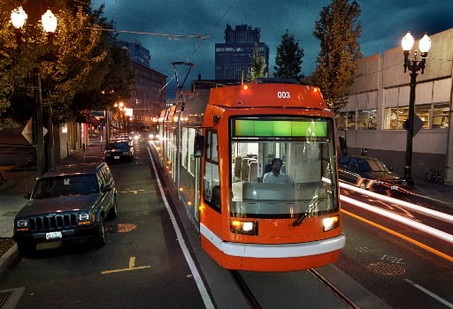
For too long, the ‘old ways’ of commuter trains and subways were considered the only ways to provide quality transit and except forAi?? a few bold cities, such as Portland, light rail has been deemed a second rate transit service when compared to a subway, with Seattle being a good example with over 70% of its route grade separated either on viaduct of submerged in a subway.
This lead to huge costs for ‘rail’ transit, for little, if any real benefits.
This myopic view has also created the “streetcar craze” in the USA, where short streetcar lines are all the rage, with most new streetcar lines either being upgraded tourist trolleys or political vanity projects where the short line drive up costs and the real benefits of tram service are ignored.
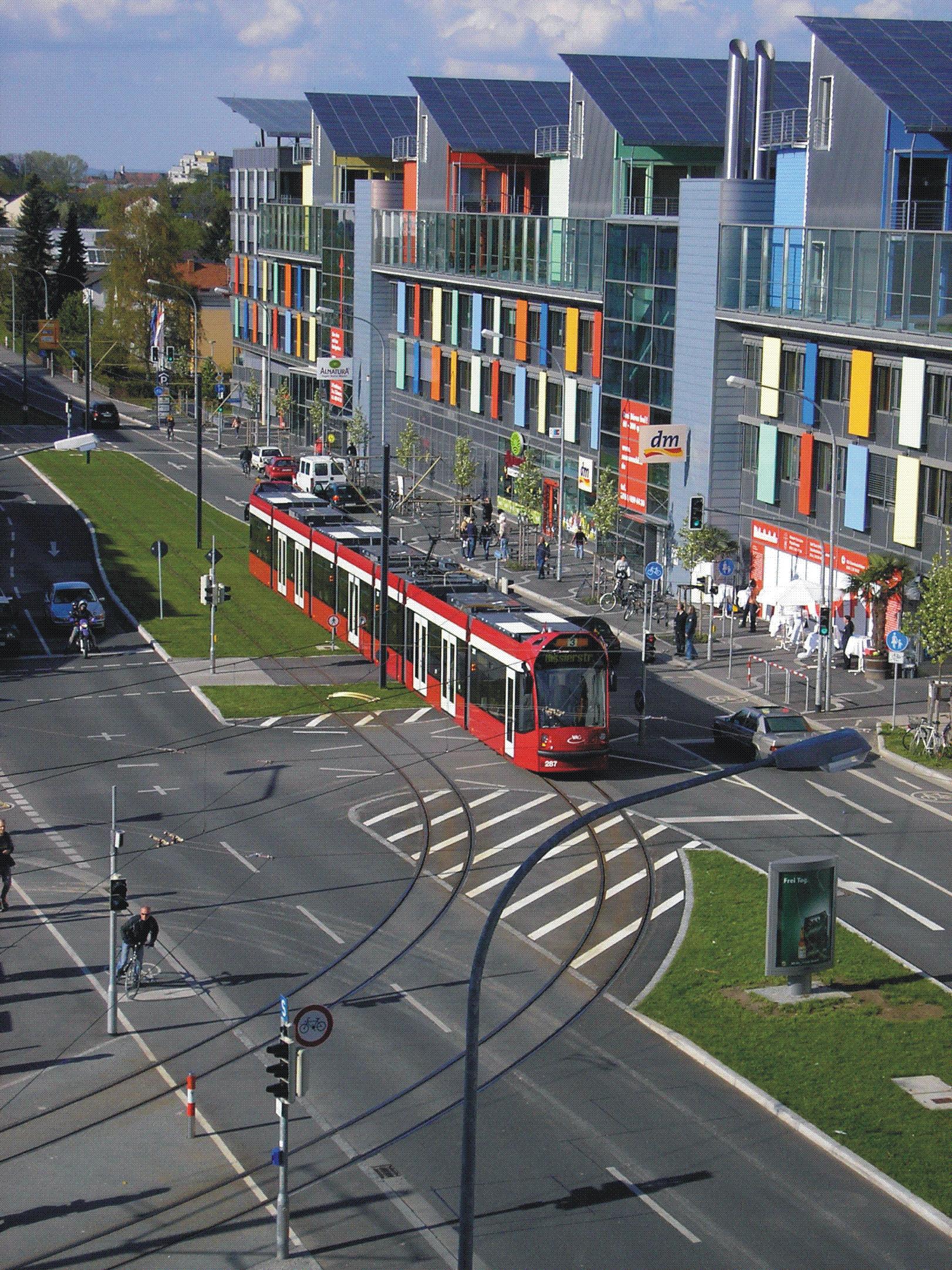
Slowly our American friends have begun to realize that the European LRT Renaissance tram can operate at subway headway and capacity and hopefully our SkyTrain minded planners do the same.
They run on the surface on private right of way in the center of a very busy street with subway headway and capacity. With good design and signal preemptions they are able to do this. We can learn a lot on how to run an efficient high speed street car system from BKK. (like Los Angeles)
The “railway gazette international” site reports that what is claimed to be the world’s longest tram at 183.3 feet for on-street operation has entered public service at BUDAPEST, the capital city of Hungary:
HUNGARY: March 31 saw the entry into passenger service of what is claimed to be the longest tram in the world.
The 55Ai??9Ai??m (183.3 foot)ai??i?? long nine-section CAF Urbos tram is in operation on the recently modernised Route 1 in Budapest, and will be joined by 11 more by mid-year.
Budapest transport authority BKK ordered 37 bidirectional low-floor trams in March 2014 with options for 87 more, and later placed a firm order for a further 10.
The cost of the 47 trams is HF46Ai??5mai??i?? (USD $168,867m)ai??i??, of which 99Ai??3% is being met through EU funds and the remainder through the government and Budapest municipality.
The initial order included 12 of the 55Ai??9Ai??m trams, with the remaining 35 being 34Ai??2Ai??mmai??i??(112.2 foot) ai??i??long five-section vehicles.
The first of the short trams entered service in late 2015 on Route 3, with routes 17 and 19 following in January.
All of the trams are equipped with air-conditioning, an audio-visual passenger information system, CCTV, an event recorder and an onboard passenger-counting system.
The vehicles have the capability of being retrofitted with on-board energy storage for catenary-free operation in sections of the city centre.

 (Photo by Dustin Godfrey for NEWS 1130)

 Light-metro, looks nice in graphics,
 One of the new commuter rail stations envisioned by the Caisse de dAi??pA?t et placement du QuAi??bec. (Caisse de dAi??pA?t et placement du QuAi??bec)
A map of the proposed rail line that would connect Montreal’s West Island, South Shore and Laval. ( Caisse de dAi??pA?t et Placement)


 The concept of carrying freight by tram is once again being explored Ai??in St. Entienne, France
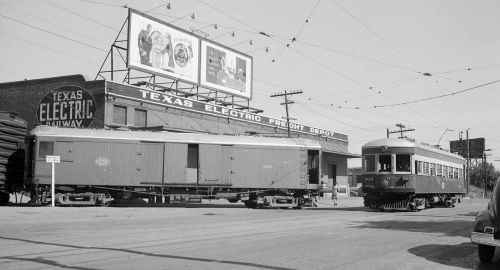 In North America, the former interurban lines also carried express freight,
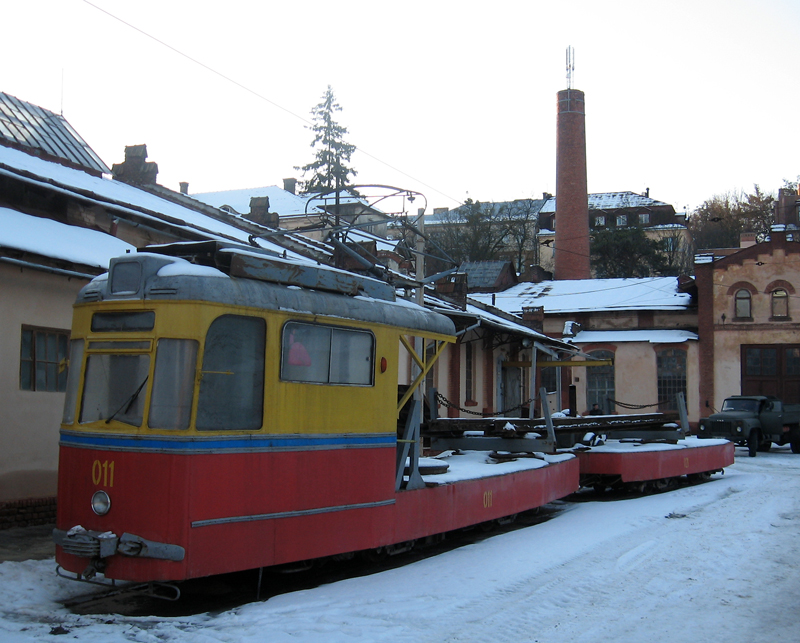 Not quite a freight tram, but this Ukrainian example is a former
  In Switzerland, a tram locomotive is hauling a specially built car for hauling rubbish.
 Dresden saw the first successful use of a freight tram,


 In BC, there has been little public input in transit projects and it is the old; “You are going to get it whether you like it or not” routine.





Recent Comments