Posted by zweisystem on January 16, 2016 · Leave a Comment
For those of you who have been pooh-poohing, Zwei’s cost estimate for the Broadway subway, the following news item from Toronto should send a not too subtle message that subways are very expensive to build and are only built when there is the massive traffic flows that demand long trains and large stations to accommodate the long trains.
The 8.6 km Spadina Line costs have soared from $2.6 billion to $3.2 billion and counting!
One can scale back construction costs by reducing the scope of the project, like the Canada Line, but then one is left with a very expensive subway, which will have less capacity than a simple streetcar at about a tenth of the cost. The Canada Line is the prime example of a political vanity project, which costs soared from the original $1.3 billion to now over $2.4 billion and still has pygmy 41 metre long trains and having stations platforms a puny 40 metres long, which greatly limits capacity.
Please forward to the metro mayors, the Premier and the Federal Liberals, that building subways, for the sake of building subways is a futile mistake which will cost billions of dollars more for future generations to put right.

According to a TTC report, Toronto and York Region could be on the hook for an additional $400 million for the Spadina subway extension

Andrew Francis Wallace / Toronto Star Order this photo
The dramatic, flying saucer design of the York University station on the Spadina subway extension is now clearly visible on campus. The three-dimensional shape is a signature element of the $118 million station. There are no straight edges at all, said construction site manager Peter Boyce.
Toronto and York Region are facing an additional $400 million in construction claims and other expenses on the overdue Spadina subway extension.
The costs would be split 60/40, with Toronto on the hook for $240 million and York Region facing a $160 million cost for the 8.6-km transit line.
The extension, from Downsview Station to the Vaughan Metropolitan Centre near Highway 7, is about 85 per cent complete. Testing will begin in April 2017 for an opening later that year, about two years after the originally scheduled launch.
For the full article…………………….
Posted by zweisystem on January 12, 2016 · 1 Comment
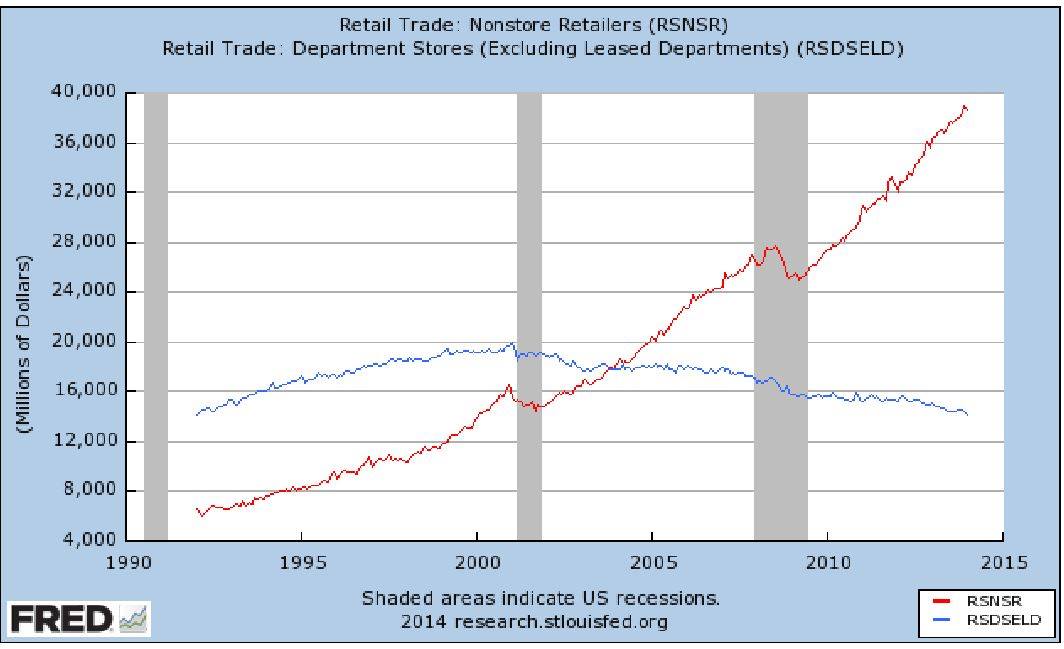
The future may not be as transit friendly as many would have wished.
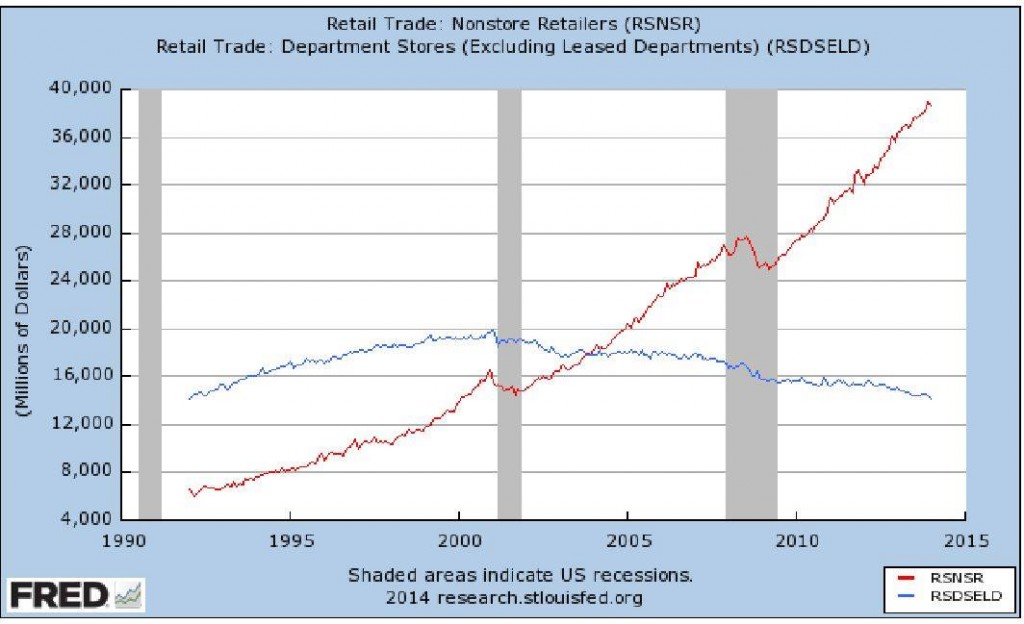
The preceding chart should send chills down TransLink’s collective spine.
Metro Vancouver’s transit system is based on the “Spoke and hub” theory of transit practice where major “transit hubs” are connected by light-metro and fed by a network of bus routes (spokes). This works fine if one lives near a ‘hub’ and wishes to travel to another ‘hub’, but if the transit journey is to somewhere not on the established hub system, then tedious and user unfriendly transfers must be made to and from various spokes, to get where one wants to go.
Our current transit model has extremely expensive light-metro spokes connecting major transit hubs, fed by expensive to operate bus spokes, which currently provides the ‘mass’ of passengers to justify the cost of light-metro.
But, what if there is a dramatic changes in transit customer’s travel habits and traffic flows on current light-metro spokes drop?
The example would be consumers changing buying habits would mean fewer shops at transit hubs, with fewer consumers traveling to transit hubs and fewer employees using transit to transit hubs, with the end result of fewer people taking transit.
If there is such a change and transit ridership drops, then the operating authority is left with a very expensive transit mode and routes that still requires much money to keep in operation. Unlike LRT or streetcars, operating at-grade or on-street, where changes of route are affordable to meet customer demands, light-metro is extremely inflexible. If transit customers abandon today’s expensive established transit routes in favour of more user friendly alternatives, what then? Cast in stone (well cement) transit decisions made two or threeAi?? decades ago may not meet tomorrows transit needs.
The key to success of today’s modern public transit system is the ability to adapt to the customer transit needs, which spoke-hub transit just cannot do.
So here is a very important question to ponder for the Vancouver Metro region; “Is it better to spend $5 billion plus on less than 40 km of rail transit including subway under Broadway and poorly planned for LRT (in reality a poor man’s SkyTrain) in Surrey or build over 300 km of light rail, connecting many destinations as possible from UBC to Chilliwack?”
Which would better serve future needs?
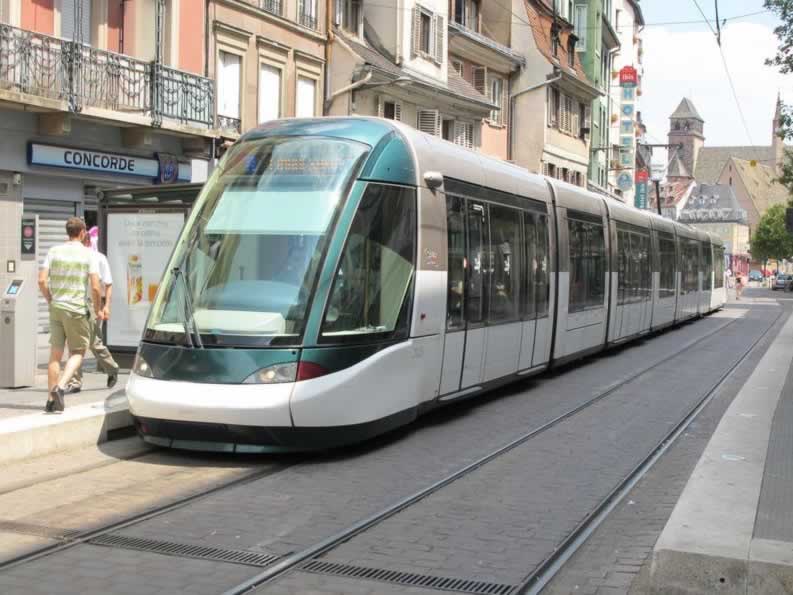 Is the modern tram and its many variants the key to transit success in the future?
Posted by zweisystem on January 10, 2016 · Leave a Comment
It seems TriMet, in Portland are playing the part of rubes by hiring former TransLink president and general manager of its subsidiary British Columbia Rapid Transit Company Ltd.,Doug Kelsey. I believe TriMet will soon have buyers remorse because under Kelsey’s leadership, Vancouver’s light-metro system suffered many shutdowns due to lack of maintenance and poor management.
TriMet has problems with reliability, just wait, the real screw-ups are yet to begin.
Well the joke is on them and yes, no refunds given; caveat emptor, let the buyer beware!
Please note: SkyTrain does not run to an advertised schedules, unlike MAX and stoppages of ten minutes or less are never reported in the media.
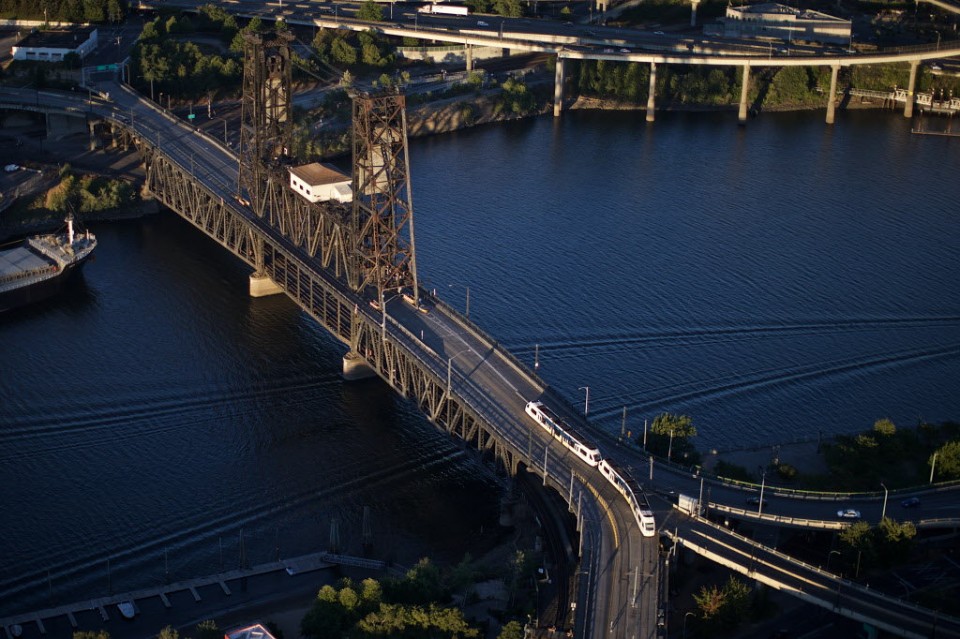
By Elliot Njus | The Oregonian/OregonLive
Email the author | Follow on Twitter
on January 09, 2016
Tara Sager has been a daily MAX rider for seven years, for most of that time happily relying on the light-rail system as part of her commute between Hillsboro and Tigard.
So TriMet should be nervous when she says this: “Maybe I should start driving again.”
Plagued with delays and disruptions, MAX is coming off its worst year in at leastAi??a decadeAi??for on-time service. One in five trips were late, according to numbers obtained by The Oregonian/OregonLive, and November was MAX’s worst month since 2003 ai??i?? the earliest records were available ai??i?? for reliability.
Even though TriMet promotes MAX as a faster, more reliable travel option, buses were more likely to show up on time in eight of the last 12 months. That marked a reversal, of sorts. From 2008 to 2014, there were only six months when buses were more reliable than MAX.
For the complete article………………
Posted by zweisystem on January 7, 2016 · Leave a Comment
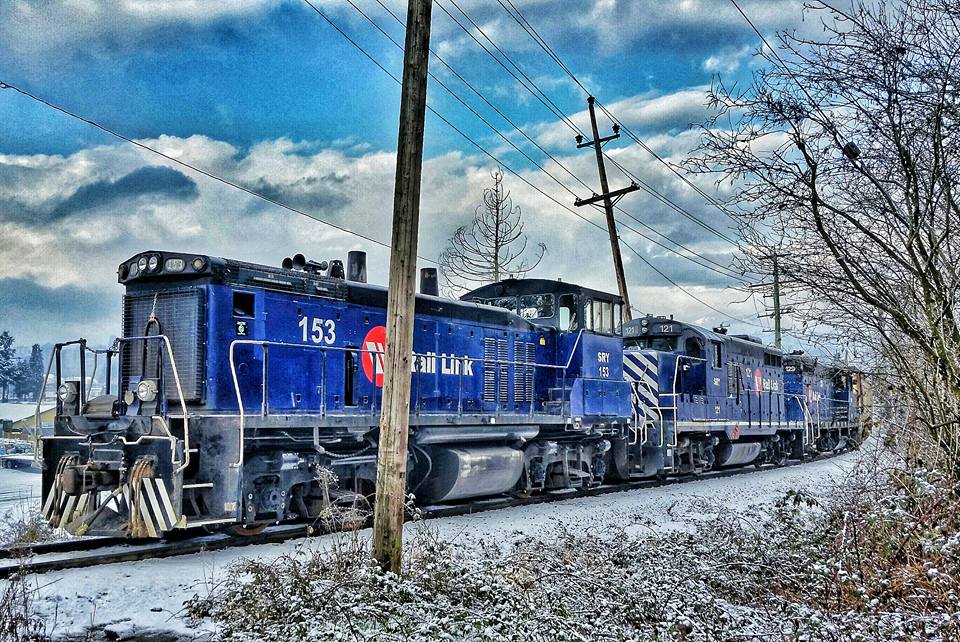
A photograph by Brent William Postlethwaiteai??Z
Old Yale Crossing
Posted by zweisystem on January 4, 2016 · 5 Comments
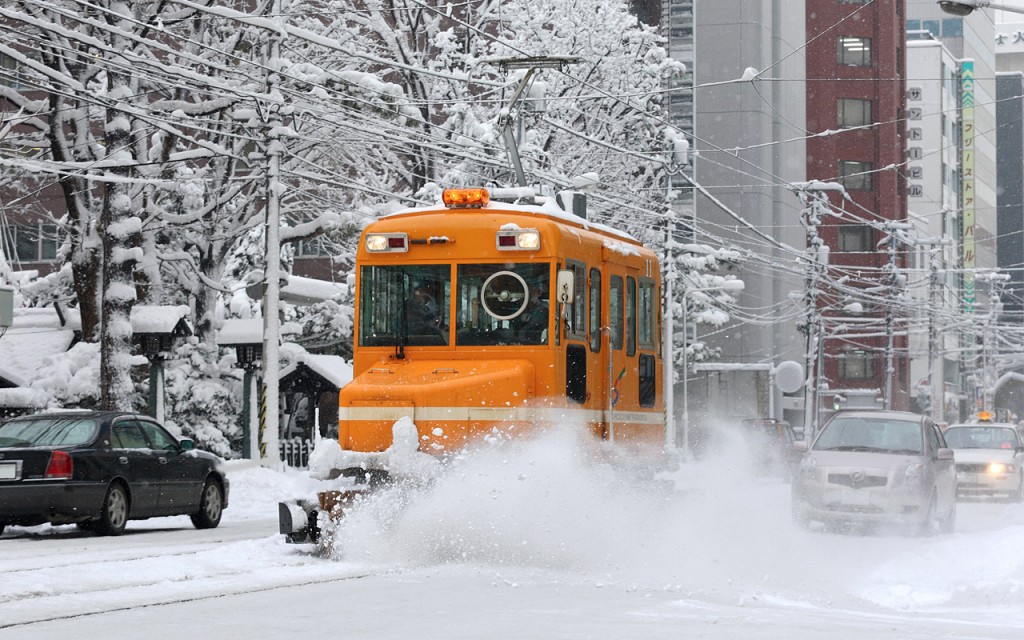
A snow broom in Sapporo Japan clears snow from the line. Yet in Richmond
a mere dusting of snow and a trace of freezing rain brought the Canada Line to a halt.
Really?
Now, freezing rain and ice storms can stop trams from running, when ice shrouded electrical overhead sags due to weight and is unusable or ice build up in flange-ways on on-street portions of track or at level crossings cause the wheels to rise up and break electrical contact.
Portland, Oregon is prone to such conditions and has had problems in the past, but cities with regular ice and snow storms are prepared to deal with such problems. Richmond had less than 0.5 cm of snow last night and a mere dusting of ice pellets and it caused the Canada Line to shut down.
Obviously there is more to the story, but if this is true, then the Canada Line has been built extremely flimsy and massive bills for repairs and retro-fitting are in order.
A Richmond-bound Canada Line train crosses the Fraser River bridge. Ice buildup along the Canada Line is being blamed for problems along the rapid transit line during the Monday morning commute.
Photograph by: Ian Lindsay, PNG, Vancouver Sun
METRO VANCOUVER – Ice buildup along the Canada Line is being blamed for problems along the rapid transit line during the Monday morning commute.
The ice caused a train to stall on the track near Brighouse Station shortly before 5:30 a.m., according to TransLink. That impacted transit south of the Marine Drive station in Vancouver, and temporary bus bridges had to be set up to transport passengers to stations in Richmond.
By about 8:15 a.m., the problem train had been removed and de-icing solution was applied, allowing the Canada Line to return to normal service.
TransLink is telling commuters to expect some delays during their morning travels.
Meanwhile, trains along the Expo and Millennium SkyTrain lines were also experiencing delays because of problems with track safety alarms.
Ai?? Copyright (c) The Vancouver Sun
Posted by zweisystem on January 4, 2016 · Leave a Comment
As the local newspapers try to deal with the proposed Massey Tunnel replacement, Metro News has an interesting article.
In reality, the Massey Tunnel, replacement bridge will not alleviate congestion, rather just move it from Delta to Richmond.
Now Eric Chris may want to correct Zwie on this, but here is the problem.
There are presently four bridges that go from Richmond to Vancouver/New Westminster, near or at capacity throughout the day. Those four bridges are being fed, in part by six lanes of traffic, via the Massey Tunnel and the Alex Fraser Bridge. As the population of Richmond grows, adding more pressure to the existing bridges, adding one more lane, via the new Fraser Crossing, will cause major congestion on Hwy.99 and the existing bridges.
Unless there is an additional bridge built to Vancouver/Burnaby, congestion in Richmond will only increase and gridlock will be endemic.
The new bridge, being a toll bridge, will Balkanize Delta; put extraordinary pressure on the Alex Fraser Bridge and put undue financial pressure on struggling families, who have to ante up over $1,700 annually to commute to Vancouver.
An unintentional consequence of the Port Mann tolling, children from poorer families now cannot afford to play sports because monies that otherwise spent on children sports are now paying tolls. In fact, discretionary monies that once went to sports or education improvements are now going into tolls and the long term result will be, I think, disastrous.
That Delta council and especially the mayor, Lois Jackson support this nonsense only shows how out of touch with reality they are.
Maybe our politicians should have their stipends reduced by 50% to a point where financial reality overtakes gold-plated hubris.
What is even more shocking is that the one bridge that does need replacing, the Patullo Bridge is ignored by Victoria.
The replacement Bridge for the Massey Tunnel does show that regional planning does not exist, therefore there is no need for TransLink and and or metro Vancouver planning.
Give it all back to the province and tell the present Liberal government, “You created this mess, now deal with it!”
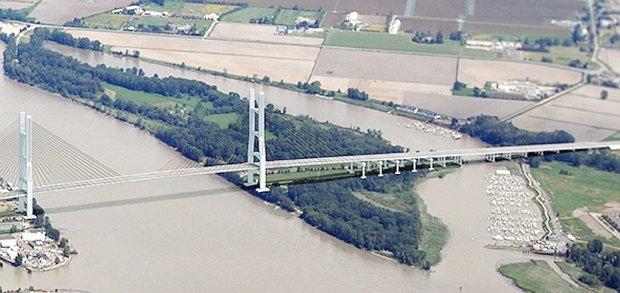
Unfortunately, when it comes to thinking about the Massey Tunnel replacement bridge project, being thoughtful has been pushed aside in favour of simply thinking bigger ai??i?? at our collective expense.
Work smarter, not harder. We praise our leaders in government and business for thinking differently about what affects us ai??i?? and not turning a blind eye when we learn new things about what weai??i??ve already been doing.
Unfortunately, when it comes to thinking about the Massey Tunnel replacement bridge project, being thoughtful has been pushed aside in favour of simply thinking bigger ai??i?? at our collective expense. Earlier this month, Minister of Transportation Todd Stone explained the delay on the expected report on the replacement bridgeai??i??s business case by chalking it up to the projectai??i??s complexity. Soil conditions on the Fraser River mean the bridge will end up even larger than the Port Mann bridge ai??i?? itself already the second longest cable-stayed bridge in North America and, briefly, the widest in the world.
But this shouldnai??i??t have come to us as a surprise. As Nathan Pachal pointed out on the South Fraser Blog last week, in the 1950s we faced these same trade-offs and costs at the time of the original decision to build the Massey Tunnel. It was recognized that a tunnel was more cost-effective than a bridge then, and those same conditions are still posing a challenge for those of us hoping a bridge will solve our congestion woes.
Are the doubters just part of the ai???build nothingai??? party, as the Liberals accused Delta MLA Vicki Huntington of in legislature? Even if she was (which, her statements demonstrate, sheai??i??s not), sheai??i??d be in good company among those whoai??i??ve done a lot of digging into what building smarter for transportation actually means.
Many researchers have long doubted that building more lanes actually reduces congestion. Even California Department of Transportation, that cradle of car culture in North America, is copping to the fact that congestion doesnai??i??t go down the way we hope it does. Buying a bridge means pushing our congestion problem ten years down the line.
The Corporation of Delta has stated that a new crossing is needed. But does the magnitude of the problem warrant buying the priciest option ai??i?? and working harder to pay for it, instead of working smarter to make better use of our future tax dollars?
The early days of our new federal government have buoyed a feeling of optimism around a return to well-reasoned decision-making. It reminds us what true leadership is ai??i?? not presenting choices as inevitable, but using everyoneai??i??s perspectives to give us real alternatives. On this issue, it appears weai??i??re still waiting.
Posted by zweisystem on January 4, 2016 · Leave a Comment
Compass Card problems and now the Canada Line goes ka-put, not a good start to 2016.
Monday morning issues on TransLinkai??i??s Canada Line
Vancouver, BC, Canada / News Talk 980 CKNW | Vancouver’s News. Vancouver’s Talk
Gord MacDonald
TransLink is reporting a problem on the Canada Line between the Bridgeport and Templeton Stations.
Due to a train issue, passengers are having to transfer to a shuttle train at Brighouse Station in order to continue the rest of their journey.
A bus bridge is also running between Bridgeport and Templeton.
January 04, 2016 07:06 am
Posted by zweisystem on January 2, 2016 · 3 Comments
Another TramTrain operation opening in Germany, where customer friendly transit is the order of the day.
We also have a shovel ready TramTrain plan for Metro Vancouver, the Leewood/Rail for the Valley TramTrain, reinstating the Vancouver to Chilliwack interurban service. All that is missing is the political will and bureaucratic and academic acceptance of the plan.
Over 130 km of rail transit, connecting Chilliwack, Abbotsford, Langley & Surrey to Vancouver for a mere $1 billion is peanuts when you compare to today’s multi billion dollar transit schemes that seem to offer very little for a lot of money.

Written byAi?? Keith Fender
MID-SAXONY Transport Authority (VMS) says it will start using eight electro-diesel Citylink tram-trains for services from Chemnitz city centre to Hainichen, Burgstadt and Mittweida in early 2016.
Six of the tram-trains have been delivered to Chemnitz tram operator CVAG and are undergoing commissioning. Driver training and final approval tests are underway.
The tram-trains have been built by Vossloh Rail Vehicles in Valencia, Spain and the final two units will be delivered by mid January.
In early December VMS and Chemnitz tram operator CVAG received planning permission for construction of a new 2.5km tram line which will enable the extension of tram-train operations on the existing railway line to Thalheim.
The link is due to be completed in 2017 and will serve Chemnitz Technical University, terminating at Technopark. CVAG tram operations should begin in December 2017 with tram-train services extended beyond Technopark to Thalheim in December 2018.
Four additional Citylink tram-trains are on order for the new route, which is part of phase 2 of the network.
A full description of the Chemnitz tram-train project will appear in an upcoming issue of IRJ.
Posted by zweisystem on January 1, 2016 · 1 Comment

Transit news in the Vancouver metro region in 2015 was dominated by the TransLink plebiscite and despite over $12 million dollars spent to bolster the ‘YES” side the vote was decidedly against giving TransLink any more tax money.
What is even more tragic is that the politicians, bureaucrats and academics who supported the “YES” side have remained deaf to the results and except for a few senior staff let go by TransLink, nothing has really changed and it is business as usual; planning a $3 billion subway here and a $2.5 billion poor man’s SkyTrain disguised as LRT there. Any shift from previous planning has been met with deaf ears.
The province has also jumped into the transportation fray by announcing a $3.5 billion bridge to replace the perfectly good George Massey Tunnel, simply because Liberal supporters South of the Fraser want a bridge, but not to relieve congestion as one embarrassingly out of touch, Delta Mayor Lois Jackson claims (for in reality congestion will be just moved to the Richmond side of the bridge) but to deepen the Fraser River to allow Cape Max colliers and tankers to load, the premier’s favourite election gimick, LNG as well as dirty bitumen oil-sands oil from Alberta and even dirtier Montana Coal at Surrey Fraser Docks.
The river bottom needed to be deepened by at least two metres below the the top the Massey Tunnel and in BC, one gets what one pays for – donate to the BC Liberals and viola, a new taxpayer funded $3.5 billion bridge so big ships can ply the Fraser to Liberal friendly dock owners.
And here I thought the Roberts Bank Super Port was built to give a viable alternative of large ships traveling up and down the Fraser, silly me.
Vanity projects and ongoing photo-ops, generally describe transit planning in the region and real needs like a crumbling Patullo Bridge and a downright decrepit Fraser River Rail Bridge replacements are all but ignored.
Sadly, this will be transit planning until the next provincial election, the tried and true “rubber on asphalt” tactic to garner votes and nothing more.
The future for good economic and affordable transit is bleak and sadly, I see no difference with the NDP, who also remain extremely myopic on the subject.
The past two decades in Metro Vancouver have been the “Locust Years” where transit money has been lavishly squandered on questionable vanity projects.
A happy new years it is not, as Metro Vancouver has reached the nadir of good regional planning and if the same bunch of mayors that have allowed this travesty to happen, ever get to run TransLink, god help us all!
Posted by zweisystem on December 30, 2015 · 3 Comments
Oops, a bad day for TransLink and the mini-metro system.
Confusion reigns, as TransLink can’t even manage a coherent news story.

Canada Line resumes after ai???fire incidentai??? causes delays
Vancouver, BC, Canada / News Talk 980 CKNW | Vancouver’s News. Vancouver’s Talk
December 29, 2015
Good news for rush hour commuters ai??i?? TransLink says a disruption on the Canada Line has been resolved.
Earlier this afternoon, TransLink was forced to close Marine Drive station after a ai???fire incident,ai??? which cut all service for Southbound Trains.
Spokesperson Anne Drennan says the transit authority had to evacuate passengers from a problem train at the station.
ai???Itai??i??s on tracks, we are pulling another train in beside problem train and evacuating passengers from one train to other.ai???
Meanwhile at Radio 11:30………..
Power failure behind Canada Line shut-down
VANCOUVER (NEWS 1130) ai??i?? A power failure is being blamed for a shut down of service to the airport on the Canada Line Tuesday afternoon.
A train was forced to be evacuated at Marine Drive Station.
TransLink says a shuttle bus was put into place at any stations that were impacted. Ai??It says additional security was on hand at stations to make sure things ran smoothly.
Many people tweeted pictures of long lineups, crowded trains and big groups of passengersAi??waiting.
And finally, a moderate earthquake, late Tuesday evening shut the entire mini-metro down.
A transit security officer, right, directs a passenger where to catch a bus outside the Commercial-Broadway Skytrain station after the commuter train system was shut down to check for any possible damage to elevated guideways in Vancouver, B.C., in the early morning hours of Wednesday December 30, 2015, after an earthquake struck off the west coast late Tuesday night. The moderate quake struck at 11:39 p.m. local time Tuesday about 20 kilometres north of Victoria and was felt across much of southern British Columbia.
Photograph by: Darryl Dyck, THE CANADIAN PRESS
VANCOUVER – Many residents of Metro Vancouver felt shaking late Tuesday night, as a moderate earthquake struck near Victoria.
The quake struck at 11:39 p.m., about 20 kilometres north of Victoria and was felt across much of southern British Columbia.
Earthquakes Canada said the quake measured 4.3 on the Richter scale, while the U.S. Geological Survey reported it as a 4.8 magnitude quake. The Canadian agency said there were no reports of damage………………
In Metro Vancouver, SkyTrain temporarily shut down until crews determined it was safe to operate the train on the guideway. TransLink advised there was shuttle service running from Waterfront Station to Surrey, and from Waterfront to Broadway/Commercial, stopping at each station along the route.
Service resumed Wednesday morning.





Recent Comments