Tech. stuff for light rail – Single track and interlaced operations
Since the proposed Interurban will run mainly on single track, with passing loops at strategic places, the following U-Tube video is instructive on the relative ease of single track operation. Of course single track operation is a lot cheaper than dual track (which can be added when demand warrants), construction and with an initial one […]
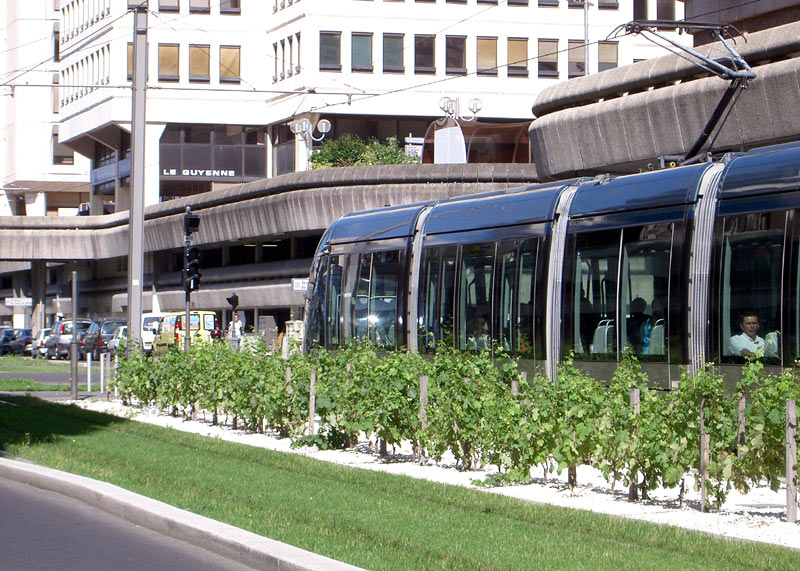
Why we built with LRT – first published in December 2008, updated August 17, 2009
The following was first published in December 2008 and is being reproduced here because of popular demand. Ai??Ai?? What is Light Rail Transit or more commonly known as LRT? According to the Light Rail Transit Association (www.lrta.org) Light rail is a mode that can deal economically with traffic flows of between 2,000 and 20,000 passengers […]
The last of the interurbans #2 – Mason City, Iowa: Iowa Traction Railroad
The following is from Jon Bell’s web site. Jon Bell is anAi??Ai??Associate Professor Department of Physics and Computer ScienceAi??Ai??Presbyterian CollegeAi??Ai??Clinton, South Carolina 29325 USA Although the Iowa Traction Railroad (IATR) hasn’t carried passengers since 1936, I’ve included it on this site because it is a link to a mode of electric passenger transport that was […]
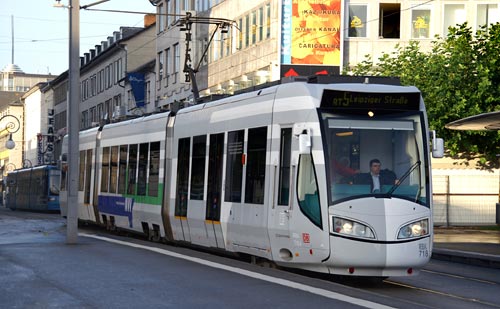
Kassel, Germany invests in tram train. Will Gordon Campbell’s government do the same for the valley?
Ai??Ai?? What Zweisystem would like readers to note is the the cost of the 122km or 75.8 mile Kassel Tram-Train projectAi??Ai??was CAD $278.55! The same amount of money will roughly buy just over 2 km. of SkyTrain! 75.8 miles is roughly the same distance of the Vancouver to Chilliwack Interurban. The following is from Railway […]

Mulhouse Light Rail and Tram Train, France: A template for the return of the interurban?
Mulhouse, population 112,260 (2006) isAi??Ai??a small French provincial city that has just built two tram lines but now is expanding their tram service further afield by adding Tram-Train and track sharing with mainline railways. Here, again is another example of small city in Europe, building with LRT and then greatly expandingAi??Ai??tram service via Tram-Train, using […]

More European Tram-Trains – Rail for the Valley offers a challange to Translink and BC Transportation Minister Shirely Bond
In 1994, the GVRD, in an attempt to include the public in the planning process, held a two hour call-in about regional transit, on local cable channels.Ai??Ai??A panel of experts were on hand to answer the publics questions about transit issues, including rapid transit. Zweisystem phoned in and asked a question: Has BC Transit and/or […]
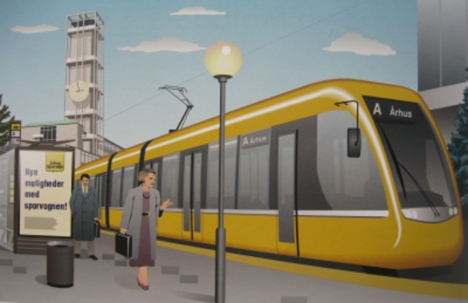
Rail for the Valley TramTrain – Arhus aims to pioneer Danish tram-train: Denmark’s second-largest city is planning the country’s first tram-train project. – From bNet
Here is another example for Rail to the Valley of TramTrain beingAi??Ai??planned forAi??Ai??in Europe. The theme is all too familiar, designing a transit system to cater to the needs of the customer, using existing railway infrastructure to reduce cost, while at the same time increasing service. The theme of TransLink is simple, we are going […]
TramTrain Line – Alicante Tram-Train, Spain
Rail for the Valley wishes to reinstate the Vancouver to Chilliwack interurban, using TramTrain technology. TramTrain is a development of light rail, where a light rail vehicle has the ability to operate on tram (streetcar); light-rail; and mainline railway tracks. The interurban was the original TramTrain, which has now evolved into the sleek LRV’s now […]
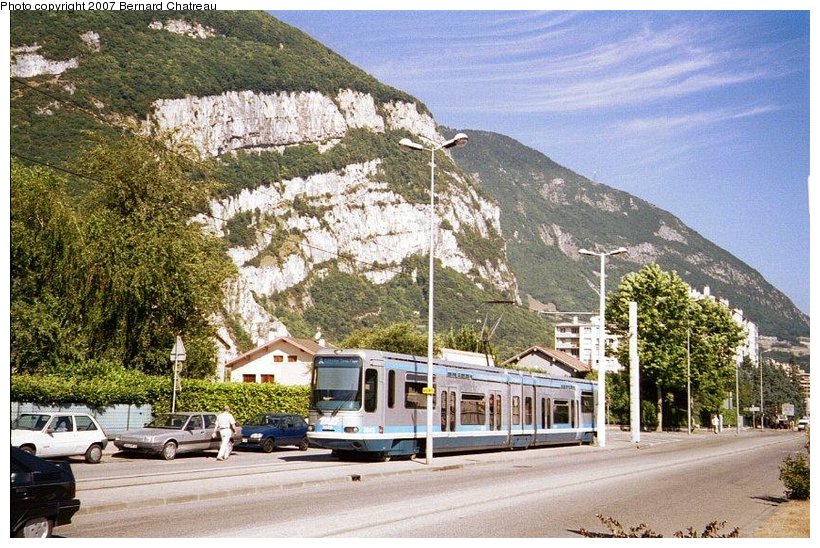
How other countries see light rail and appraise light rail investments? From the Light Rail Transit Association
Article from the March 1999 edition of Tramways & Urban Transit As anyone involved in a British light rail scheme knows, the appraisal system is rigorous and, many feel, fatally flawed, oriented as it is to short term and financial criteria rather than a properly broad social cost-benefit analysis. It is now also heavily influenced […]

What is guided bus? Is it B-Line BRT?
Guided buses are buses steered for part or all of their route by external means, usually on a dedicated rights-of-ways, thoughAi??Ai??not to be confused with a busway. This track, which often parallels existing roads or railways, excludes all other traffic, permitting theAi??Ai??operation of reliable schedules on heavily used corridors even duringAi??Ai??peak hours. Guidance systems can […]



Recent Comments