Posted by zweisystem on November 10, 2020 · Leave a Comment
Lost amidst the hurly burly of the American election and the just announced almost total lock down in BC, a fire at New Westminster Station caused the shutdown of service Sunday morning.
What is interesting is that this fire on the main public transit route to downtown was not given great play in the media and with ridership at all time lows, very few people were affected.
I am afraid this is the “shape of things to come” with the aging Expo Line.
Fire causes SkyTrain service disruption in New Westminster
CTVNewsVancouver.ca
Published Sunday, November 8, 2020
Published Sunday, November 8, 2020 12:24PM PST
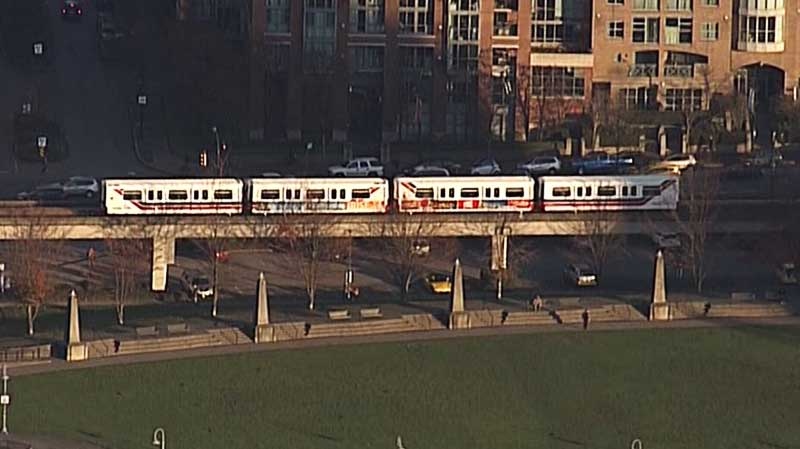
SkyTrain cars are seen in this CTV News file image.
VANCOUVER — A SkyTrain service disruption that began Sunday morning was caused by a fire at New Westminster Station, according to TransLink.
The transit provider has not provided any further details about the fire, including a possible cause and whether the flames broke out on the tracks or inside the building. It was first reported around 10 a.m.
TransLink said a shuttle train has since been set up to ferry passengers between 22nd Street Station and Columbia Station until the situation is resolved.
“Bus services are also being deployed to assist passengers between Columbia, New Westminster, and 22nd Street stations,” a spokesperson said in an email.
The service disruption is only affecting the Expo Line. TransLink said the Millennium Line and Canada Line are both operating normally.
The transit provider said passengers looking to avoid the affected SkyTrain stops can use TransLink’s online trip planner.
Posted by zweisystem on November 8, 2020 · 2 Comments
You operate a very expensive transit system that is not user friendly.
You build a subway on a route with nowhere near the ridership to sustain it.
You persist in planning and using a very expensive, yet obsolete proprietary light metro.
You pretend that public transit is a right and not a convenience.
You persist in deluding the taxpayer about the costs.
Of course you need revenue to pay for your planning and operating malfeasance.
The real problem is that TransLink, with the approval of the regional Mayor’s Council on Transit; abetted by the provincial government are spending billions of dollars on transit schemes, that are mainly for political prestige and not for the benefit of transit customers.
The result is simply, politicians again will squeeze as much money from the taxpayer as they can.
Road tolls will not improve transit, rather it will just encourage politicians not to change.
For the City of Vancouver, road tolls will make Vancouver a no-go area and for downtown businesses, the well paid politicians and bureaucrats don’t give a damn.

Traffic tolls would hollow out city’s core that has seen more than 1,300 businesses leave downtown in the past eight years, board of trade warns
By Frank O’Brien | November 3, 2020
Downtown tolls would accelerate exodus, GVBOT warns. | BIV file photo
A plan by the City of Vancouver to place a toll on automobiles entering the downtown could accelerate one-way business traffic out of the core, the Greater Vancouver Board of Trade (GVBOT) has warned city council.
City of Vancouver council will debate a city staff recommendation November 3 that tolls – “transport pricing fees” – should be used to curb traffic into the downtown business district.
It is part of the city’s proposed $500 million “climate emergency action plan” that goes before city council for adoption.
“The Greater Vancouver Board of Trade has real concerns over proposals to charge vehicles to enter the city centre, which could spell disaster for downtown businesses who are already struggling in the wake of COVID-19,” GVBOT president and CEO Bridgitte Anderson stated in a in letter to council, released November 2.
The downtown is already losing businesses at a steady clip, Anderson warned, and road tolls would further jam the exit ramps.
Vancouver’s population has increased by 40,000 over the past eight years, but the city lost 1,356 established businesses in the same period – and this was before the impact of COVID-19, the GVBOT noted.
Since the pandemic began, the downtown has started to resemble a “ghost town,” Anderson said, with vacancies soaring in some office towers.
Vancouver’s downtown office vacancy rate has increased 30 per cent since the pandemic began, according to third-quarter study from NAI Commercial, which reported that 717,000 square feet of leased downtown office space has been shoved back on the market as subleases.
“The City of Vancouver was already losing businesses prior to the pandemic, while other cities in the region were experiencing double digit increases,” Anderson stated, noting that Surrey has seen a 12 per cent increase in commercial and industrial businesses since 2013.
“A transport pricing scheme specific to the City of Vancouver would further threaten the viability of businesses,” the GVBOT letter stated.
Calling the traffic toll idea a “game changer,” a 371-page city staff report said transport pricing is the key measure in the city’s climate emergency action plan, which is meant to reduce carbon emissions in the city.
Transport pricing would see a portion of vehicle trips in the metro core area taxed with a fee “to account for and improve carbon emissions, air quality, noise, safety, congestion and the use of public space,” the city staff report said.
Vancouver has not released any estimate of its proposed transport pricing fee.
Staff’s argument for pricing vehicle trips is that it can encourage people to choose a sustainable mode of transportation or shift departure times, routes or destinations.
“This idea needs to be parked for now,” said Charles Gauthier, president and CEO of the Vancouver Downtown Business Improvement Association.
Gauthier said his organization was never consulted on the plan and it is only now studying the staff report. “I don’t think the city took into consideration the effect on downtown businesses [of a traffic toll].”
“The Greater Vancouver Board of Trade has real concerns over proposals to charge vehicles to enter the city centre, which could spell disaster for downtown businesses who are already struggling in the wake of COVID-19,” GVBOT president and CEO Bridgitte Anderson stated in a in letter to council, released November 2.
The downtown is already losing businesses at a steady clip, Anderson warned, and road tolls would further jam the exit ramps.
Vancouver’s population has increased by 40,000 over the past eight years, but the city lost 1,356 established businesses in the same period – and this was before the impact of COVID-19, the GVBOT noted.
Since the pandemic began, the downtown has started to resemble a “ghost town,” Anderson said, with vacancies soaring in some office towers.
Vancouver’s downtown office vacancy rate has increased 30 per cent since the pandemic began, according to third-quarter study from NAI Commercial, which reported that 717,000 square feet of leased downtown office space has been shoved back on the market as subleases.
“The City of Vancouver was already losing businesses prior to the pandemic, while other cities in the region were experiencing double digit increases,” Anderson stated, noting that Surrey has seen a 12 per cent increase in commercial and industrial businesses since 2013.
“A transport pricing scheme specific to the City of Vancouver would further threaten the viability of businesses,” the GVBOT letter stated.
Calling the traffic toll idea a “game changer,” a 371-page city staff report said transport pricing is the key measure in the city’s climate emergency action plan, which is meant to reduce carbon emissions in the city.
Transport pricing would see a portion of vehicle trips in the metro core area taxed with a fee “to account for and improve carbon emissions, air quality, noise, safety, congestion and the use of public space,” the city staff report said.
Vancouver has not released any estimate of its proposed transport pricing fee.
Staff’s argument for pricing vehicle trips is that it can encourage people to choose a sustainable mode of transportation or shift departure times, routes or destinations.
“This idea needs to be parked for now,” said Charles Gauthier, president and CEO of the Vancouver Downtown Business Improvement Association.
Gauthier said his organization was never consulted on the plan and it is only now studying the staff report. “I don’t think the city took into consideration the effect on downtown businesses [of a traffic toll].”
Posted by zweisystem on October 30, 2020 · 2 Comments

The election is over and promises have been made and the winners and the winners the SkyTrain Lobby. Premier Horgan has promised billions of dollars to extend then Expo Line to Langley and with a hint, beyond.
The Broadway Subway, now refereed by many as the BS Line is first in line for a big chunk of taxpayer’s dough.
This $3 billion project is a gift to big labour, nothing more, as union jobs are what the NDP are all about.
Provincial News Release
The project will be delivered under the Province’s Community Benefits Agreement (CBA). Through the CBA, the project will increase training and apprenticeship opportunities and prioritize hiring locals, Indigenous peoples, women, people with disabilities and other traditionally under-represented groups, including youth, who want to build a career in the skilled trades. BC Infrastructure Benefits is responsible for implementing the CBA for the project and will be the employer for the majority of the skilled workforce on the project.
The Expo Line extension is more of the same, as Horgan approved the financing of the extension to Fleetwood and now has promised to extend the line to Langley. Again, this has nothing to do with providing good transit, rather a gift to the big unions.
*
With vague promises to extend the Expo line even further up the valley, Horgan and kidnapped the taxpayer for a very expensive ride. Those who want a regional railway, connecting Vancouver to Chilliwack, costing much less than light-metro and would more effective in creating an affordable alternative to the car have been given a big setback by the NDP.
*
The E&N folks who want to keep the historic island railway operating have also suffered the same fate.
*
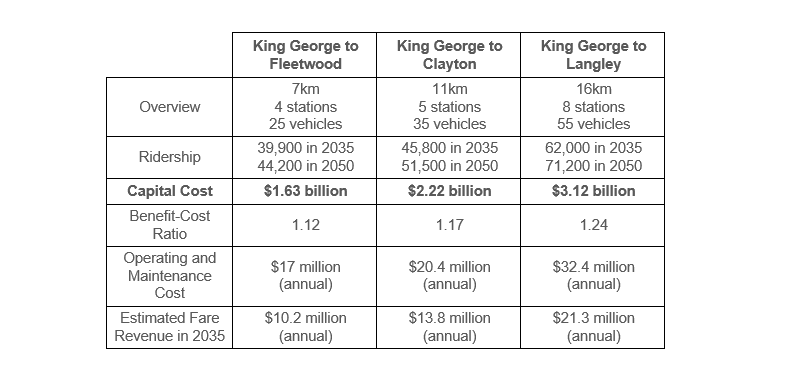
The following chart gives the current cost estimated for the Expo Line extension to Langley.
The ridership estimates are grossly over estimated and send that they are based on everyone commuting to Vancouver, but the high cost of Vancouver is driving businesses and people outside the downtown core and into the transit starved suburbs. thus if the ridership numbers are over estimated, so is the fare revenue and the cost/benefit calculations. Also worth noting the cost of cars are not included , nor is the up to $3 billion rehab needed of the Expo and Millennium lines to accommodate the extension.
*
Noted American Transportation Engineer, Gerald Fox, said after he read the Evergreen line’s business case:
The Evergreen Line Report made me curious as to how TransLink could justify continuing to expand SkyTrain, when the rest of the world is building LRT. So I went back and read the alleged Business Case (BC) report in a little more detail. I found several instances where the analysis had made assumptions that were inaccurate, or had been manipulated to make the case for SkyTrain. If the underlying assumptions are inaccurate, the conclusions may be so too.
Thus, TransLink’s; the City of Surrey’s; and the provincial government’s case for an Expo Line extension to Langley may be based on a foundation of financial quicksand, just like the Site C damn having a foundation on shale.
No wonder TransLink’s CEO, Kevin Desmond is jumping ship!
Then there are the added operating costs and the added costs for new cars, which will drive the costs higher.
*
Fox’s conclusion:
It is interesting how TransLink has used this cunning method of manipulating analysis to justify SkyTrain in corridor after corridor, and has thus succeeded in keeping its proprietary rail system expanding. In the US, all new transit projects that seek federal support are now subjected to scrutiny by a panel of transit peers, selected and monitored by the federal government, to ensure that projects are analyzed honestly, and the taxpayer interests are protected. No SkyTrain project has ever passed this scrutiny in the US.
It is clearly evident that the NDP are continuing TransLink’s and Metro Vancouver’s continued spending on a light metro system, made obsolete by light rail decades ago, to fulfill a political agenda and just do not give a damn about the taxpayer and the transit customer.
*
What could go wrong?
Posted by zweisystem on October 21, 2020 · 1 Comment
No surprise here, as I stated before, 2021, will make 2020 look child’s play.
Desmond was hired because of his ability to massage the truth to build the Broadway subway. He seemed ignorant of transit mode and that the Expo and Millennium lines operated with a proprietary light metro system.
I think this is evidence that there are some major upcoming financial problems with TransLink.
Problem Number 1: The major SkyTrain light-metro projects; the Broadway subway and the Fleetwood extension.
*
There could be major price adjustments to both projects, meaning TransLink must source more tax money from regional taxpayers. Horgan’s daft promise to extend the the Expo Line to Langley also may prove unfundable, because the Expo line needs $2 to $3 billion in rehab before that can happen and there is no funding in sight.
*
This could mean the political career ending, cut and cover subway construction on Broadway, will come into play.
*
Problem Number 2: The collapse of ridership.
*
The Covid collapse of ridership has lead to a disastrous revenue shortfall and may lead to questions for the need for such expensive projects in the first place.
*
Problem Number 3: The collapse of revenue.
*
The NDP have spent almost a billion dollars so far to shore up regional transit since Covid 19 and the realities of a diminished ridership may force big changes to the transit system. All of TransLink’s revenue generators are failing to provide the expected income and higher taxes is the only option. A Covid-19 cash strapped taxpayer revolt may result, turning a “mom and apple pie” issue into nasty political issue. Remember it was taxes that chased Gordon Campbell from the Premier’s chair.
*
Problem Number 4: The end of MALM production.
*
Alstom may have telegraphed their plan to phase out the production of the proprietary Movia Automatic Light Metro System (now owned by Alstom, with their purchase of the Bombardier rail division). The cost for MALM vehicles used on the Expo and Millennium Lines may increase of 20% to 25%. In normal times, this would have been glossed over but post Covid-19, financial disaster.
*
Desmond was hired to oversee the BS subway and that job has been done and he has probably looked long term and decided to bail and go back to the USA and enjoy his pension before the financial ‘horse-pucky’ hits the fan in 2021.

The rats leaving a sinking TransLink, with their pensions.
TransLink CEO Kevin Desmond stepping down after 5 years
Kevin Desmond going home to the United States
CBC News · Posted: Oct 20, 2020
TransLink CEO Kevin Desmond is stepping down after nearly five years in his role, the transit authority announced Tuesday.
Desmond is leaving the organization in February to seek “new career challenges” back home in the United States, according to a statement.
“Without a doubt, we are sorry to see him step away from the CEO role, but Kevin is leaving behind an organization that is stronger and more responsive to our customers and our communities and better prepared than ever for the future,” the statement read.
Desmond signed on as authority CEO in 2016, previously having worked at King County Metro Transit and Pierce Transit in Washington state for more than a decade. Desmond, who is an American citizen, also worked as the operations manager for New York City transit before moving west.
“It’s been a joy and pleasure to be leading TransLink through this period, but I also have my family to be thinking about as I think, you know, my family lives across the border in the Seattle region, as does my wife,” Desmond said.
“It’s time to go home and reconnect with my family and think about what I want to do in the next phase of my life.”
Desmond’s time with TransLink saw more than $9 billion worth of approved transit expansion projects, as well as the implementation of “tap-to-pay” and touchless fare gates, quicker SeaBus service and double-decker buses.
His role became more challenging over the past year. TransLink narrowly avoided an all-out suspension of the region’s bus system after transit workers threatened to walk over working conditions last November. This year, the authority expected to lose almost a half-billion dollars, in revenue as ridership plummeted due to the pandemic.
Desmond said he was happy that the transit authority had secured provincial and federal funding to work through the pandemic.
“I’ll be departing TransLink knowing that we’re stable, knowing that we have a good approach going forward to start rebuilding that ridership,” he said.
On a more personal level, politicians, workers’ advocates and the public have criticized the CEO’s salary for years and questioned his resistance to taking heavy pay cuts. Desmond was hired at an annual salary of $365,000 in 2016, but a 2019 review of TransLink’s executive compensation boosted the high end of his salary range to $517,444.
TransLink said Tuesday a new CEO has not yet been selected. The incoming executive will be tasked with rebuilding the authority’s finances.
Posted by zweisystem on October 18, 2020 · 3 Comments
The following should give one pause to think.
Toronto’s Yonge-Bloor Interchange Station Expansion To Cost $1.5 billion
From Drum, via the LRPPro
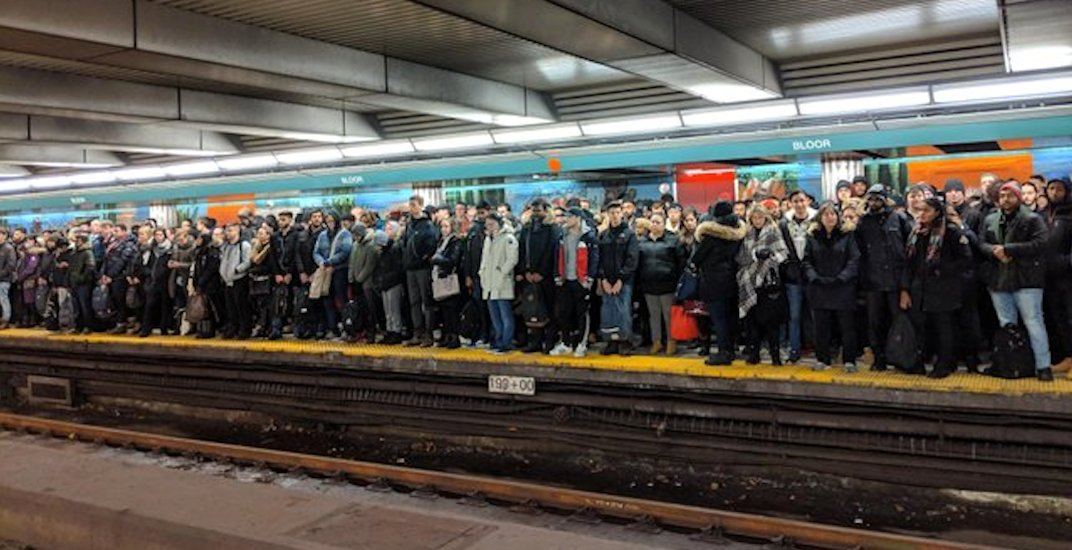
Report going to TTC Oct 22 is how the current Yonge-Bloor interchange station can be expanded to deal with overcrowding.
This idea been around for a number of years and been placed on the back burner due to the cost of $1.5 Billion. Other options have been looked to the point Yonge line is splice in 2 with north going as it does and a new southbound being built on Yonge with another station for the Bloor station and extension of Bloor current platform.
*
There been talk that the current Bay Store above the current station could be torn down for a new tower and a good time to do it with the redevelopment of the subway station.
*
2 major problem for the area and station that it sits over a river and swamp land and on an angle due to the unused Y interchange for the University Line that was kill 6 months after the Bloor/University Line open in the 60’s
*
If the Tower next to the Bay Tower was torn down as well, then it would allow TTC to totally rebuilt both line station better as redevelop the land above it with taller towers and better access to the stations. There been talked that 2nd tower could be torn down as with a taller tower in it place.

Bloor Street Station at rush hour
*
The Canada Line will soon have to be almost completely rebuilt to handle passenger flows above 9,000 pphpd. Short, 40 metre to 50 metre long station platforms, which can only accommodate 41 metre long two car trains, must be lengthened to 80 metres long or more.
*
This will be costly, especially for the subway stations.
*
Even at third the cost of the Bloor station project, expanding capacity on the Canada line will be very, very expensive. Eight subway stations to be rebuilt and expanded could cost upwards of $4 billion and that is not including the eight aerial stations.
*
Posted by zweisystem on October 17, 2020 · Leave a Comment

One just has to shake ones head about this High Speed Rail article in the Daily Hive, but what is even more laughable is the comments by many people, who know little or nothing about HST.
“Build it now“, says one comment; “please make this happen“, says another, yet no feasibility study or local costs are mentioned in the article.
Others blame “eco zealots” or who ever is the current blame worthy group they dislike for not building HST
Reality just is not in the cards for what is called the “Booster Class”; people who support any project with the perception of its being modern or futuristic, regardless of the cost.
The Booster Class rarely asks important questions such as cost, usability, or long term viability, but insist on the project being built with future taxpayers being on the hook to pay for it.
The same is true of the SkyTrain light metro system.
SkyTrain is glitzy, futuristic (because it is driverless) and gives a public view as “doing something for transit”. It also looks nice for political photo-ops.
The Booster Class does not care about cost, rather the look, which is not unlike our local lady who drives her kids to school in a huge $60K Hummer, where a $14K Fiat 500 would do the very same job at a fraction of the cost.
The Booster Class does not care about cost as it is the look they like and with no thought for future costs, happily glad hand SkyTrain expansion until bankruptcy happens.
A current Surrey Councillor stated on last nights news, that “the Langley SkyTrain extension must happen, to solve out transportation problems in our city.”
Really?, Really, really?
What the councilor is not saying is that building SkyTrain to Langley will cost $3.12 billion of which only $1.6 billion is funded, with operating costs, adding another $32.4 million to TransLink’s annual operating costs, with huge rehab costs in about 30 to 40 years time.
The realities of SkyTrain expansion are ignored and the Booster Class, just chuckles and leads the taxpayer to financial slaughter.

The Booster Class never consider long term costs of a project.
Posted by zweisystem on October 9, 2020 · 8 Comments

Trust the NDP, to get embroiled in extending SkyTrain. Again, the NDP proven they haven’t a clue about regional transit or transit mode and if proceeded, there will be severe financial consequences for the taxpayer and the transit user.
Premier Horgan has made a very, very expensive mistake.
Again, for the general benefit of everyone, SkyTrain is the name of our light-metro system. The SkyTrain light-metro system consists of two very different railways; the Canada line which is a conventional railway and the Expo and Millennium Lines, which are an unconventional proprietary railway, now owned by Alstom of France.
The name of the proprietary railway, after five previous name changes is Movia Automatic Light Metro and a total of seven systems have been built.
Light metro, being part of the metro family, becomes exceedingly more expensive to operate in the suburbs. MALM was never designed to be a regional railway and will end up costing much more than other transit modes.
The estimated full cost of the the Extension to Langley is $3.12 million.
Fleetwood Clayton Langley

From TransLink
The estimated added operating cost for this line is $32.4 million.

From TransLink
Added to the estimated $40 million in annual operating costs for the Broadway subway, means that operating costs for these two projects will soar to over $72 million annually.
But there is more, much more.
The Expo line is desperately in need of a major rehab which must include a complete overhaul and an increase in its electrical supply; a new automatic train control system; a rebuilding of all the stations on the Expo and Millennium Lines to extend the station platforms beyond the current 80 metres, to allow for longer trains to increase capacity; and much new track work, including replacing all the switches to allow for faster operation.
The cost for this could be has high as $3 billion!
This means TransLink must source an additional $4.5 billion to Extend the Expo Line to Langley.
What fools paradise do the NDP belong?
There are many other expensive issues to contend with, including the new owner, Alstom, may discontinue the manufacturer of the Mark 2/3 cars, which would mean the costs for the already expensive and small cars may increase by about 20%.
Sourcing spare parts for the proprietary light metro are becoming problematic.
Oh yes, the damn thing doesn’t operate in the snow, and it snows a lot between Surrey and Langley.
Who is going to use it?
Not many because there is little demand for a direct line to Vancouver from Langley. Less than 1,000 pphpd in the peak hour.
When the NDP flip-flopped from planned LRT to SkyTrain on the Broadway – Loughheed Rapid Transit Project, it set back transit expansion in the region by over 20 years. The renamed Millennium Line, using the then called ART system (the fourth renaming of the proprietary system) which was so expensive to build, had to to be built in two parts, with the second section being the Evergreen Line. Sadly this will set back useful transit for the Fraser Valley for generations.
For Added insult, $4.5 billion could buy a Vancouver to Chilliwack TramTrain service; a completely rebuilt E&N and with money left over to build a BCIT to UBC Tram.
This project is neither green or user-friendly, nor cost effective. What it shows is that the NDP have a grave ignorance of transit and regional transit ills.
BC NDP pledges SkyTrain extension to Langley, Liberals promise small business tax cut
by Mike Hall
Posted Oct 8, 2020

File – SkyTrain. (Lasia Kretzel, NEWS 1130)
VANCOUVER (NEWS 1130) — The BC NDP is pledging to complete the Surrey-Langley Skytrain expansion as part of $9 billion more in infrastructure funding, while the Liberals countered on Thursday by promising to eliminate the small business tax and offering help to the hospitality and tourism sector, both hit hard by the COVID-19 pandemic.
NDP Leader John Horgan said his party’s plan sets out $3.1 billion to complete the Surrey-Langley Skytrain project. Of that, $1.6 billion was previously committed by all partners for the first stage to Fleetwood.
The NDP, if re-elected in the Oct. 24 provincial election, promises another $1.5 billion for the portion to Langley, with help from the federal government.
The remaining portion of the $9 billion would go to building roads, according to the NDP. The party’s overall $32 billion infrastructure plan would create 18,000 jobs.
“We want to make this a provincial project,” Horgan said of the SkyTrain expansion. “So that takes the pressure off municipalities. It takes pressure off TransLink. We’re going to fund it. The municipalities will have to find their share. I’ll work with the federal government, as I’ve been doing for the past number of years, to make sure that we get our fair share of the dollars we send to Ottawa coming back here to build the communities that we want to live in.”
Horgan added SkyTrain to Langley is overdue.
“It connects this community to the rest of the Lower Mainland,” he said.
“Twenty-three billion dollars, plus $9 billion is a lot of money for construction jobs. But we get something out of that — we get an opportunity to train the next generation of skilled workers. British Columbia has been built by working people. We need to make sure that training is there for their kids and their grandkids.”
BC Liberal Leader Andrew Wilkinson focused on small business and tourism on Thursday, but also said his party previously supported the SkyTrain expansion project.
“The Liberal government is the one that invented the project in the first place,” he said. “Rapid Transit to Langley has been on the books for about 10 years, and the issue has been the financing with the municipalities. So we’re glad to hear that John Horgan is prepared to commit to what the BC Liberals have always supported. And the question now is, is he prepared to pay for the municipal share or not? And if John Horgan doesn’t have the answer to that, this is just another repetition of BC Liberal infrastructure planning.”
Posted by zweisystem on October 8, 2020 · Leave a Comment
- A repost from May 2019.
- With the the City of Vancouver and TransLink continued telling big porkies about LRT, the following is enlightening!

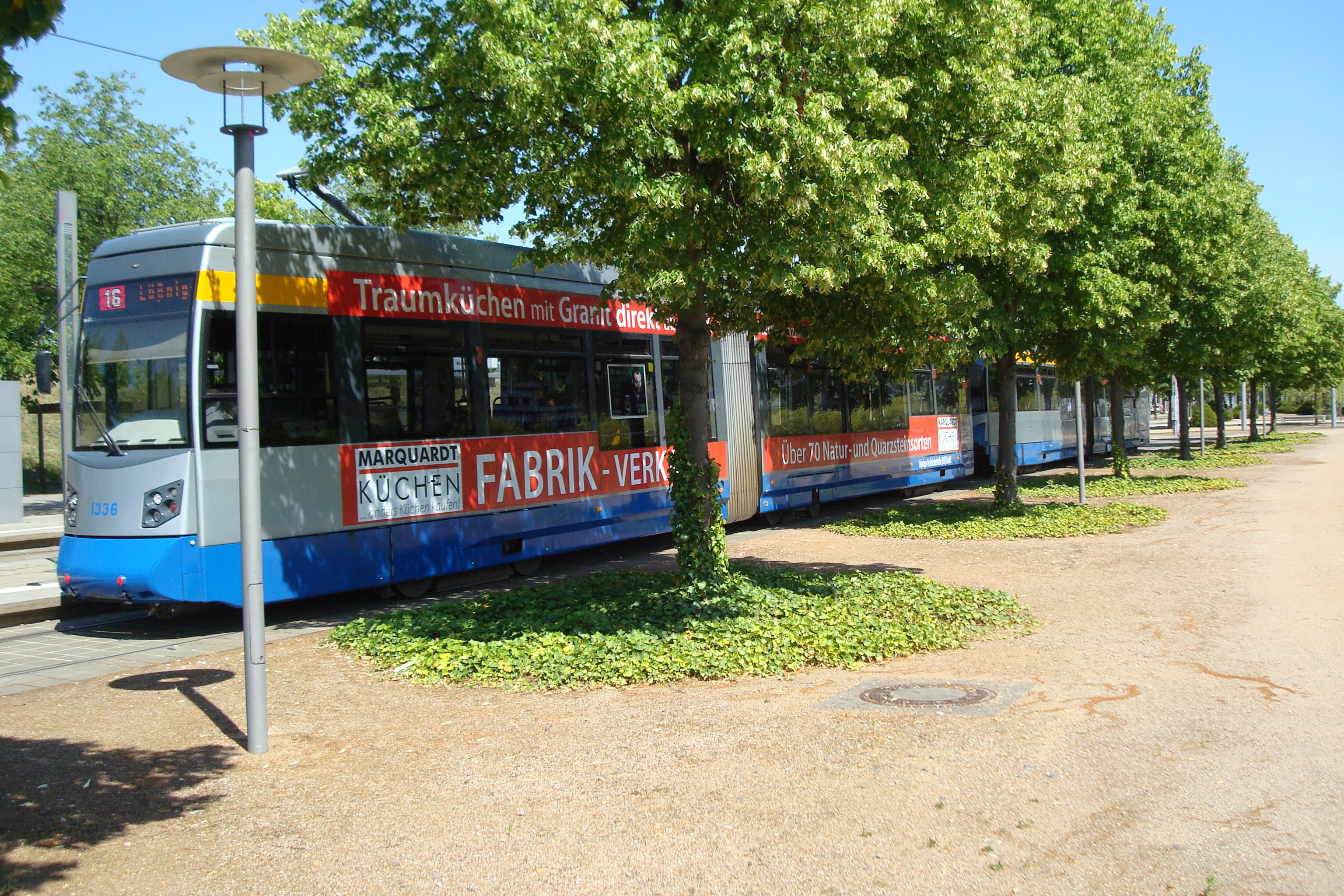
- Leipzig Tram
The ongoing planning charade currently being played out by the cities of Vancouver & Surrey, and TransLink with the proposed Broadway SkyTrain subway, is being fueled by professional misconduct, by all professionals and most politicians involved.
A notable exception is Vancouver City Councillor Colleen Hardwick.
Today, the message being relayed around the world is that the city of Vancouver lacks any modicum of professionalism, which is both a dark message for companies wanting to locate here, but also it sends a welcoming call to money launders, flim-flam artists and alike.
The following is a 2014 email from a real transit engineer from Germany on the subject of tram headway’s and capacity (Capacity is a function of headway). He is answering questions that were put to me by several local politicians claiming that LRT cannot obtain the same headway’s as SkyTrain.
I relayed the email to said politicos and bureaucrats. As of yet, I have not heard a reply!

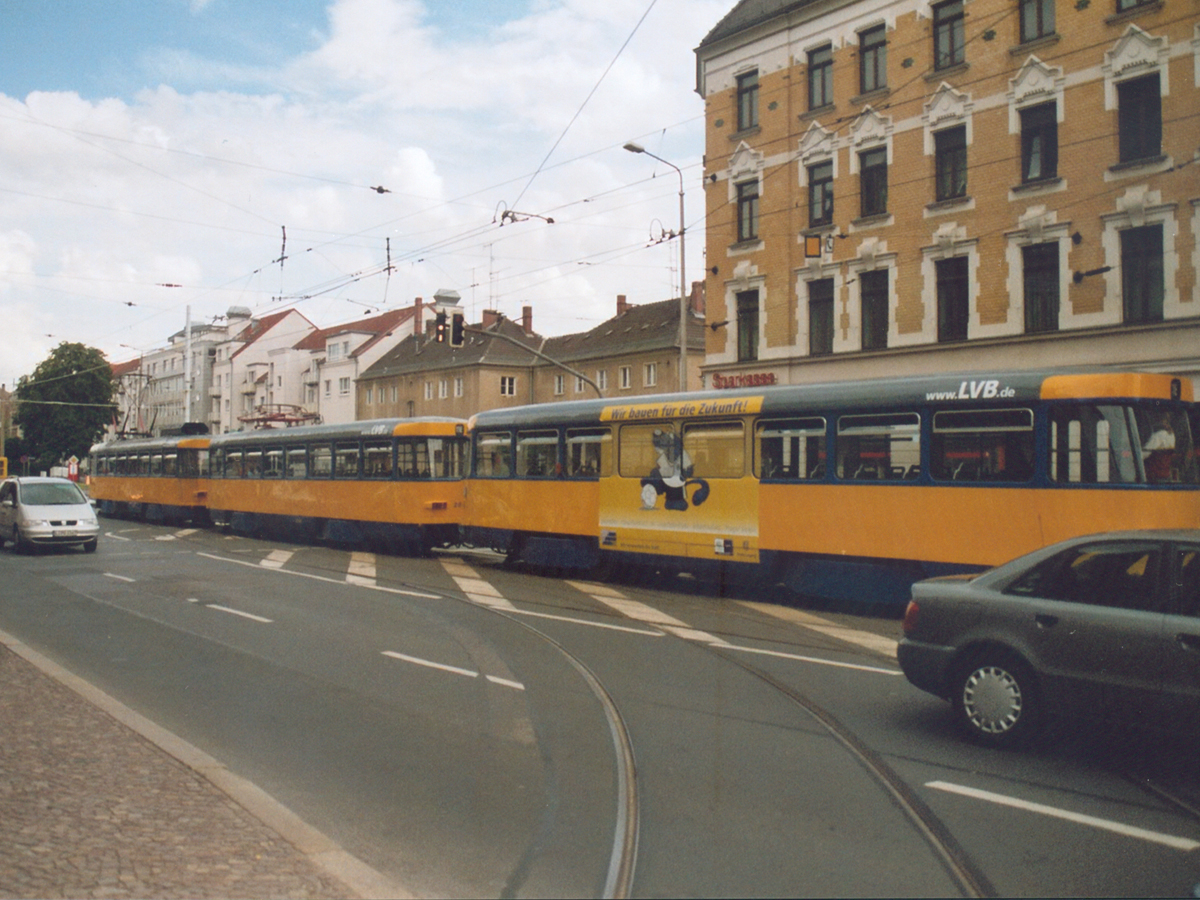
- A coupled set of trams in Leipzig.
Question) It is not possible to operate 36 trains per hour as traffic signals
will hold them back.
Answer) That’s the whole point of traffic light pre-emption. Which does not
*increase* the green phase for streetcars, but *shift* it in time. So
automobile traffic does not wait longer, it’s just different drivers who
wait, statistically.
If there’s no significant automobile traffic parallel to the
streetcar/light rail tracks (as typically the case in those “transit
malls”), you can even dynamically reduce the green phase for the trains
to the strict minimum required to clear the crossing (less than ten
seconds, even for a four-car set), which will actually *increase* the
green phase for crossing automobile traffic.
Right here next door, Leipzig is easily running 40 trains per hour on
sections shared by several routes. And the infrastructure is not
nearly at capacity, neither concerning trainset length (platform
length would allow 60m instead of 42m), nor concerning frequency. Other
operators do as well or even better. Karlsruhe’s 80 trains per hour are
running through a pedestrian street. Calgary’s transit mall precisely
seems to suffer from a lack of traffic light pre-emption, judging form
the videos.
Another example, from Czechia, the streetcar at Prague. The section
from Karlovo Namesti east to I.P.Pavolova carries the routes
4: 8 min 7.5 trains/h
6: 8 min 7.5 trains/h
10: 8 min 7.5 trains/h
16: 8 min 7.5 trains/h
22: 4 min 15 trains/h
That’s 45 trains per hour.
The tracks from Karlovo Namesti to the north carry the routes
3: 4 min 15 trains/h
6: 8 min 7.5 trains/h
14: 8 min 7.5 trains/h
18: 8 min 7.5 trains/h
22: 4 min 15 trains/h
24: 8 min 7.5 trains/h
That’s 60 trains per hour.
The tracks from Karlovo Namesti to the south carry the routes
3: 4 min 15 trains/h
4: 8 min 7.5 trains/h
10: 8 min 7.5 trains/h
14: 8 min 7.5 trains/h
16: 8 min 7.5 trains/h
18: 8 min 7.5 trains/h
24: 8 min 7.5 trains/h
That’s 45 trains per hour as well.
All figures given are for the morning peak. There are various other
networks in Europe that have similarly dense operation on sections
shared by several routes. 40 trains/h is not uncommon.
Question) In a subway, 31 trains are possible per hour with 14,640 passengers.
Answwer) Boston’s green line is running 40 trains per hour, 90 second frequency. On
sight in the tunnel, without ATC. Four branches, six minutes frequency
each. They are running four-car trainsets for events so the platforms
would be long enough.

Posted by zweisystem on October 6, 2020 · 3 Comments
When boys and girls play trains, especially high speed trains (HST) it is best they read a book on the subject before they embarrass themselves.
Obviously, the “academics and urban planners, who believe such an infrastructure investment” have not read a book on the subject and are completely ignorant of the massive construction needed for HST! No wonder they remain nameless!
Could this be a sop to obtain government funding to plan for the impossible?
Nice if you can con the government for cash!
Could it be nothing more than a simple scam, like a pyramid scheme?
A pyramid transit scheme, been there done that with the Broadway subway!
No knowledgeable academic, bureaucrat or professional would ever endorse such a scheme before asking themselves the following questions:
- The cost for such a scheme. High speed trains require straight track with both very wide horizontal curvature and very long vertical curvature which would require tens of billions of dollars in tunneling and viaducts. You are looking at $200 million to $600 million/km. to build, extending the SkyTrain light-metro network, the cost for HST would easily be more.
- Is there the ridership demand for this? Will there be full trains traveling every 15 minutes, seven days a week, 352 days a year?
- Where is the funding coming from?
HST Madness!
Let us remember, the taxpayer is spending $4.6 billion to extend the Millennium and Expo Lines 12.8 km.
How much will it cost to build, greenfields construction, a 250 km plus, HST route, which demands complete grade separation, built on viaduct or tunnel?
I suspect a fake group trying to take the steam out of much more practical rail schemes for the Fraser Valley, such as Rail for the Valley’s proposal or the South Fraser Community Rail folks.
It is common knowledge that TransLink does not like any affordable rail link for the Fraser Valley.
I suspect this article, especially from the Hive which is TransLink’s mouthpiece, is more than a ruse to try to discredit affordable and more practical planning for rail transit in the region and Fraser Valley.
Sadly, with our gullible lot of politicians at the helm, they may succeed.

Over 200 km of viaduct or tunnels will be needed for a Chilliwack to Whistler HST route. What will the cost be?
Kenneth Chan
Oct 5 2020

Imagine performing an end-to-end trip between Whistler and Chilliwack, and the destinations in between, within an hour on a regional high-speed rail line reaching up to 300 km/hr.
That is the connectivity vision for Mountain Valley Express (MVX) by a new local advocacy group comprised of academics and urban planners, who believe such an infrastructure investment — linking the Sea to Sky Corridor, Metro Vancouver, and the Fraser Valley — will provide a lasting economic engine and a “leaner, greener restart” for BC after COVID-19.
For the rest of the story, please click here
Posted by zweisystem on October 3, 2020 · Leave a Comment
Again, one just has to shake ones head.
Our politicians, abetted by TransLink do the same thing over and over again, ever expecting different results.
The very sad thing is, our politicians and news media do not have a clue what light rail is as evidenced by the banner photo, which is of a diesel multiple Unit, used on the Duetsche Bundesbahn or German railways and not light rail at all.

MLA Ian Paton says it’s short-sighted not to start looking at future light rail as part of a Massey Tunnel replacement.
Photograph By Pixabay
It makes zero sense the growing south of Fraser region has no prospect for light rapid transit.
Delta South Liberal MLA Ian Paton had to say following the New Democrat government’s announcement last week that a $1.7 billion contract has been awarded for the Broadway subway project in Vancouver.
That contract is to design, construct and partially finance the project. Construction will begin in fall 2020, with the line in service in 2025.
The 5.7-kilometre extension of the Millennium Line from VCC-Clark Station to Broadway and Arbutus in Vancouver has a total budget of $2.83 billion.
Meanwhile, the transportation minister contends there’s no foreseeable need for light rail south of the Fraser, an area not well served by transit, complained Paton.
“It has always been understood that a new crossing – bridge or tunnel – would include future capacity for light rail. With the forethought of extension into the Fraser Valley region, rail expansion was a central component of the previous B.C. Liberal bridge plan. It is baffling to me that Claire Trevena has insinuated that light rail will not be necessary for this crossing. For a government that claims to care about reducing GHG emissions and getting people out of their cars, this is extremely short-sighted,” said Paton.
“We are now paying more money for a smaller crossing that will be at capacity by the time it is built, which at this rate will be 2030 or beyond. We need to be bold in our approach to B.C.’s economic recovery from COVID-19 and I believe the shovel-ready George Massey Bridge replacement, with capacity for future light rail, is the project needed now to help re-invigorate our economy,” he said.
Transportation and Infrastructure Minister Claire Trevena’s in a CBC radio interview earlier this year was asked about the possibility of adding light rail with George Massey Tunnel replacement, answering there’s no foreseeable need.
Following her comment, Delta Mayor George Harvie said he was shocked.
“Insofar as no need for light rail, I’m shocked. I’m working with my fellow mayors. We’re looking at what the next 20-to-30 years is going to require, and light rail is needed south of the Fraser. With all the people that we have coming, most of them are going to be residing and relocating to south of the Fraser where the properties are a little less expensive. But again, I’m shocked. I just drove the tunnel, as you know, and it’s a tough drive….we need to get people out of their cars and if we’re not thinking in the future, we’re going to have problems here,” he said.
Talking about the progress of the tunnel replacement, Trevena was asked why consideration wasn’t being given to accommodate a rapid transit line.
“The bus route that comes from White Rock/South Surrey is a hugely, hugely popular bus route and TransLink is very clearly very pleased the way this works. But there really isn’t the need, and will not be the need. Transit planners have looked at this. There will not be the need for a light rail system, or anything like that, for the foreseeable future. I mean, they’re doing long-term planning. What they do see is frequent buses. They see that capacity. The opportunity is there and we can have the capacity for it. So, let’s get people into the buses, get people moving that way, because that is the way that sustainably we can move forward,” she explained.
Noting he has had a good working relationship with the minister, Harvie said he’s spoken with his fellow mayors, and the region’s transportation staff re aware of the need, while his staff have been looking at the future closure of the Vancouver Landfill and how it can be turned into a future transit hub.
Harvie added, “One of the reasons we’re in a mess is because politicians 20, 30 years ago were not brave enough to make a decision with regards to getting moving on these major projects.”
The Delta Chamber of Commerce expressed support for Harvie’s idea, saying it encourages TranLink’s Mayors’ Council and the province to continue exploring the concept.







Recent Comments