Why Is Victoria’s Proposed LRT So Expensive?

| City | Completion Year | Cost $million/km | Engineer |
|---|---|---|---|
|
Angers, France
|
2010
|
$27.7
|
Tractabel, Antwerp
|
|
Bergen,Norway
|
2010
|
$37.5
|
Nordic, Stockholm
|
|
Besancon, France
|
2015
|
$22.4
|
|
|
Brest, France
|
2011
|
$35
|
Systra, Paris
|
|
Charlotte, NC
|
2007
|
US$$30
|
S&ME, Raleigh
|
|
Dallas TX
|
2010
|
US$40.2
|
STV consortium
|
|
Denver CO West Corr.
|
2013
|
US$36.3
|
Balfour Beatty
|
|
Dijon, France
|
2013
|
$26.8
|
GDF Suez, Paris
|
|
Florence, Italy
|
2010
|
$30.7
|
Hydea, Florence
|
|
Minneapolis
|
2004
|
$US37.3
|
LTK, Philadelphia
|
|
Mulhouse, Fr.
|
2006
|
$28.2
|
Systra
|
|
Norfolk, VA
|
2011
|
$US28.6
|
PB, New York
|
|
Phoenix
|
2008
|
$US43.5
|
HDR, Omaha
|
|
Portland
|
2009
|
$US43.35
|
|
|
Salt Lake Mid-Jordan
|
2011
|
$US31.4
|
PGH Wong, SF
|
|
Salt Lake West Valley
|
2011
|
$US45.03
|
PGH Wong, SF
|
|
Tenerife, Spain
|
2007
|
$34.8
|
AEC, Bilbao
|
|
Tours, France
|
2013
|
$29.7
|
Systra
|
VICTORIA |
$62…??? |
||
|
Vitoria, Spain
|
2008
|
$22.4
|
AEC
|
|
Zaragoza, Spain
|
2011
|
$43.5
|
Traza
|
Bring Back Our Trams – A New Website for Victoria Light Rail – A question About SNC

Our friends across the pond, in Victoria have a new website, Bring Back Our Trams http://www.b-bot.ca/index.htmlAi??which contains some surprising information.
Zwei has wondered why the cost of a simple streetcar/LRT line would cost over $62 million/km and BBOTAi??may haveAi??supplied the answer: Canada’s favourite engineering group, SNC Lavalin did the initial cost study. Why then, would a new LRT/streetcar line cost a mere $22.4 mil./km. to build in France, yet cost $62 mil./km. in Victoria and why wasn’t a TramTrain service proposed on the old E&N for about $6 mil./km. to $10 mil./km.?
Why is Victoria’s proposed LRT said to cost $62 mil./km.?
ZweiAi??finds this interesting, because theAi??firm Siskinds, Desmeules said today it has filed a proposed $250-million class action on behalf of investors against SNC-Lavalin Group Inc. and some of its current and former officers and directors for allegedly misleading investors and engaging in what it calls ai???unlawful activitiesai??? in Libya. (see Laila Yuile’s blog for the full story)
ThreeAi??important questions must be asked:
- “Is Premier Christie top adviserAi??Clark’s Gwyn Morgan (who also donated $10,000.00 to Ms. Clark’s Leadership campaign), also a director on the SNC/Lavalin Board?“
- If the answer is yes; “Is the Premier’s close relationship with Mr. Morgan,Ai??is giving the green light forAi??SNC Lavalin to grossly over-engineer Victoria’s proposed LRT?“
- If the answer is yes; “Is the BC Government allowing SNC Lavalin to reap huge profits from the BC Taxpayer by deliberately over engineering transit projects in BC, such as Victoria’s proposed LRT and or SkyTrain light-metro in Vancouver?“
Zwei also wonders if SNC Lavalin is deliberately funding the SkyTrain Lobby to ensure more hugely expensive SkyTrain is built in the Vancouver metro region?
The time is getting very close for the BC taxpayer to demandAi??a RCMP investigation of an illegal relationship between TransLink, The BC Transportation Ministry, the Premier’s Office, the Vancouver Engineering Department and SNC Lavalin.
The Real Question: What are You Willing To Pay For A Subway?
Here is the question taxpayers inAi??Metro Vancouver have not been asked; “What are you willing to pay for SkyTrain/RAV/Canada line?”Ai?? The regional taxpayer has never been asked:
- Do you wish light rail at a cost of $20 million/km. (streetcar) up to $35 mil/km. (LRT)?
- SkyTrain at a cost of $90 mil/km to $100 mil/km.
- Subway, at a cost of $150/km (cut and cover) to up to $450 mil/km. for a bored tunnel?
The SkyTrain lobby, the provincial government,Ai??TransLink and the Vancouver Engineering dept.Ai??are utterly scared to death with the preceding choices. The question thus becomes…”why?”
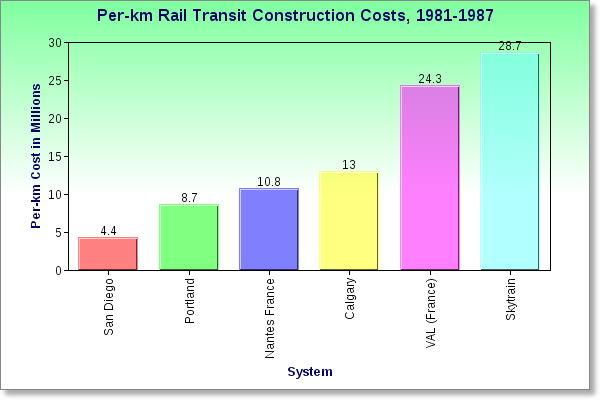
Would you personally pay $1,210 to build the Sheppard subway?
Here’s one way to visualize the cost difference between subways and LRT.BY: Edward Keenan
Just a quick thought experiment on the ongoing subway-vs.-LRT debate, since one of the major factors that should weigh in the decision is cost. Those advocating for LRTs can seem like skinflints, and those saying we should splurge on subways often say this in the manner of someone suggesting you should go for air conditioning in your new car: it costs a little extra, but youai??i??re worth it. Except it costs a lot extra. So is it worth it? To you, as the person actually expected to pay the difference? Letai??i??s think about it.
We hear big numbersai??i??a subway extension along Sheppard would cost about $3 billion, or tunnelling the entire length of Eglinton would add about $1.9 billion to the cost of that project. But itai??i??s hard to figure out what such large numbers mean. So letai??i??s visualize it from the perspective of the individual citizen.
For the purposes of this discussion, letai??i??s imagine for a moment that the $8.4 billion committed to transit building by the province is money already spent. That money comes from provincial taxpayers, of course, and city residents are provincial taxpayers, too, but since the money has already been committed by the province, our share of that has already been sent to the province, and now this lump sum has been returned to us to spend on transit building. Now, we need to figure out how much, if any, we need or want to spend on top of that.
Option A is to spend the money on what it was originally committed for: the Transit City plan that would build LRT lines on Sheppard East, Finch West and Eglinton Avenue, with the Eglinton line running underground through the central city and everything else running above ground. Under this option, no additional contribution is required.
Letai??i??s call the Rob Ford plan that council scorned Option Bai??i??itai??i??s the option the mayor is still trying to revive: The Finch line is cancelled altogether, while the entirety of the Eglinton line goes underground. That eats up all the existing money. In addition to that, we build a $3 billion subway extension on Sheppard. This requires each citizen of Torontoai??i??all 2.48 million of usai??i??to write a cheque for an additional $1,209.68. There are five people in my household, so our bill comes to $6,048.35.
Letai??i??s say Option C is the James Pasternak Deluxe edition, which would see Option B plus an additional extension to the Sheppard line running west to Downsview subway. Thatai??i??s estimated to cost $1.48 billion, or $596.77 per person. Thatai??i??s another $2,983.85 for my family.
And finally, letai??i??s say Option D is the ai???Mammoliti Propositionai???: that in addition to Option B (and, letai??i??s say, C), we also build, at some time in the future, a subway line along Finch West. That kind of comes out of the blue, but since Giorgio Mammoliti and the mayor say the reason not to build an LRT on Finch is that the people out there deserve a subway, letai??i??s imagine it being formally, actually proposed. Since no one that I know of has recently studied the cost of that in any depth, Iai??i??ll estimate that, like the Sheppard subway extension estimate, the cost will be about $375 million per kilometre. If the subway travelled the same distance as the proposed LRT line, it would be 23.4 kilometres long, bringing the total cost of construction to a ballpark of $8.8 billion on the back of the most drink-ringed and crumpled of napkins. So thatai??i??s an additional $3,548.39 per resident of Toronto. Additional bill in Chez Keenan sees another $17,741.95.
So, as a citizen weighing the discussions about relative speed, capacity and the likelihood that subways in Scarborough will run two-thirds or half-empty for generationsai??i??and as someone unlikely to make much use of any of the proposed lines, but hopeful my fellow citizens will see good, rapid transit builtai??i??my options are:
Option A (ai???Transit Cityai???): $0 per person, $0 total for the Keenan family.
Option B (ai???Ford Planai???): $1,209.68 per person, $6,048.35 for the Keenan family.
Option C (ai???Ford Plan, Pasternak Deluxeai???): $1,806.45 per person, $9,032.25 for the Keenan family.
Option D (ai???Mammo Propositionai???): $5,354.84 per person, $26,774.20 for the Keenan family.
There is no question that, as the mayor says, people prefer subways to LRTs. And even if the number of people expected to ride the things could be easily carried by an LRT, and an LRT would go maybe 80 per cent as fast, we still probably on some level prefer subways. The $26,774.20 question for my household is whether we prefer them enough to take out a second mortgage on our house to pay for them. And thatai??i??s before we start to talk about operating costs.
Eric Chris Responds To The SkyTrain Lobby
Eric Chris responds to the SkyTrain for Surrey blog.
It is just not Zweisystem who has questions about SkyTrain and TransLink and Eric Chris’s reply to the SkyTrain Lobby has great merit.
The Vancouver Sun has always treated SkyTrain as a “mother and apple pie issue” and has never challenged the government on building more. It seems Patricia Graham is from the “school of any rapid transit is good rapid transit“, even though it may bankrupt the taxpayer. The Vancouver Sun’s Editorial BoardAi??should hangAi??their collectiveAi??heads in shame with its reporting on SkyTrain and censoring anti-SkyTrain correspondence.
Again I pose this question to the SkyTrain lobby: “Why after being on the market for over 33 years have only seven SkyTrain type systems have been built and why has SkyTrain never been allowed to compete against LRT on a level playing field, in open bidding?”
Thanks for letting me know about the comments on the following website:
It isnai??i??t worth replying to Daryl and friends.Ai?? Some quick comments:
First, TransLink collected ~$1.3 billion from the federal government etAi??Ai?? al and another ~$700 million from In-Transit or private partners (see Source 1Ai??Ai?? and Source 2, below).Ai?? The RAV Line is not making much of any money and TransLink has been lying about theAi??Ai?? 100,000 ai???peopleai??? on board daily (really less than 40,000 people, manyAi??Ai?? transfers generating no income for the RAV Line).Ai?? The $100 million orAi??Ai?? more annually in performance payments for the next 30 years is paying back the private partners for theirAi??Ai?? ai???investmentai???, and the undiscounted cost to TransLink is going to be about $4.5Ai??Ai?? billion after 30 years.Ai?? Ultimately, a financialAi??Ai?? audit is required to find out how much the RAV Line is costing taxpayersAi??Ai?? because TransLink isnai??i??t going to willingly provide thisAi??Ai?? information.
If TransLink had built a LRT Line, instead, the cost would have been noAi??Ai?? more than ~$1.3 billion allowing ~$500 million for the bridge.Ai?? Ridership would have been built up gradually, and the LRT lineAi??Ai?? would have been serving local area transit users.Ai?? It would have hadAi??Ai?? excess capacity and most transit users would have had a seat, even at rushAi??Ai?? hour.Ai?? Revenue from the LRT line would have paid for the operating costsAi??Ai?? and maintenance (possibly with money left over for a profit) as TransLinkAi??Ai?? would have avoided being in the hole $700 million which is going to be repaidAi??Ai?? to the investors of the RAV Line (with a huge premium).
Also, LRT would have avoided the #15 Cambie diesel bus operating alongAi??Ai?? the RAV Line route to feed the RAV Line (TransLink tore down the trolley busAi??Ai?? lines and residents along Cambie Street are furious about the diesel bus noiseAi??Ai?? and pollution but the media wonai??i??t write about it).
Second, the provincial government is forcing SkyTrain onto the mayors as the following terse email from Dianne Watts implies:
ai???From:Watts, Dianne
Sent: Thursday, October 06, 2011 10:04 PM
To: ec
Subject: Re: Is the Vancouver Sun controlled by the provincial government?
They will pull the funding if it is not for Evergreen Line and MRN and Bus expansion.
From: EC
Sent: Thursday, October 06, 2011 09:04 PM
To: pgraham@vancouversun.com <pgraham@vancouversun.com>
Cc: gregor robertson <gregor.robertson@vancouver.ca>; Watts, Dianne; Richard Stewart <rstewart@coquitlam.ca>; Pamela Goldsmith-Jones <pgoldsmith-jones@westvancouver.ca>
Subject: Is the Vancouver Sun controlled by the provincial government?
Patricia,
You are right, it would be prudent for the mayors to take the $1 billion (about $800 million, really) from the provincial and federal governments for transit:
There are no strings attached by the federal government for its portion of the transit grant and there is no requirement for TransLink to build a SkyTrain line. It can simply build a streetcar or LRT line which it can afford and pocket the rest of the $500 million to ai???improveai??? transit for the entire region.
If the provincial government is going to threaten to withdraw its portion for transit in an attempt to force another SkyTrain line like it did with the Canada Line, the mayors can call the provincial governmentai??i??s bluff. The provincial government will fold.
Your continual propaganda favouring SkyTrain transit for the Evergreen line has been despicable. You and your pet transit reporter working for TransLink have never once provided balanced reporting to give people here the facts on transit. You have deliberately ignored the merits of streetcar and LRT transit.
You have never once questioned the credibility of the false information provided by TransLink and have continually published misleading information by TransLink to deceive the public. Thatai??i??s the unfortunate truth.
ecai???
Third, the $9.34 in 2010 is the daily cost perAi??Ai?? rider without taxes subsidizing TransLink (~90% confidenceAi??Ai?? interval as TransLink is not transparent on how it spends itsAi??Ai?? money).Ai?? It refers to the entire transit system and all operatingAi??Ai?? costs ($989 million in expenditures).Ai?? It represents the real cost to putAi??Ai?? someone onto transit for one day on average by TransLink.Ai?? Daryl isAi??Ai?? partly right, here – it might be reduced by at most $119 million if the listedAi??Ai?? roads, bridges and bicycle expenses arenai??i??t integral to transit operationsAi??Ai?? (that is, the expenses arenai??i??t bike racks for buses, busAi??Ai?? loop road modifications or SkyTrain bridge work, for example, seeAi??Ai?? Appendix 2A) to make the daily cost per rider for TransLink at least $8.22 onAi??Ai?? average (still too high):
In future years, the daily cost per rider will veryAi??Ai?? likely increase as 2010 was the year of the Olympics and an anomaly with manyAi??Ai?? more riders than normal (reducing the daily cost per rider forAi??Ai?? TransLink).Ai?? Operating expenditures over the next decade are forecast toAi??Ai?? increase by about 30% which could increase the daily cost per rider to muchAi??Ai?? more than $10 if ridership growth stalls or slows.Ai??Ai?? This isnai??i??tAi??Ai?? unexpected as transit use fluctuates up and down over time.
TransLink collected $690 million in taxes in 2010.Ai??Ai?? There isAi??Ai?? no way that it costs TransLink $660 million annually to operate transit asAi??Ai?? Daryl suggests.
Fourth, if there is any uncertainty aboutAi?? theAi??Ai?? degradation of the air quality from TransLinkai??i??s excessive use of diesel busesAi??Ai?? on SkyTrain routes, an environmental impact assessment would clear theAi??Ai?? air.Ai?? The relationship between diesel exhaust and cancer is wellAi??Ai?? known:
Fifth, the B-Line carries about 20,000 people daily (~500 trips averaging about 30 to 40 people per trip) with about 60,000 boardings from the same 20,000 people.Ai?? On weekends, summers and holidays it is about one-half this.Ai?? If ICBC counted drivers like TransLink counts transit users, there would be 7 million drivers for the 2.4 million population in Metro-Vancouver.
The B-Line has nothing to do with fast and reliable service.Ai?? From 6 am to 7:30 am on a two minute schedule, the B-Line operates (along Broadway with stop signs every few blocks) with almost no one on board before the UBC students roll out of bed.Ai?? TransLink has lots of money and can afford to operate empty buses every two minutes.Ai?? From about 8 am most buses to UBCAi?? are packed while the ones returning to Commercial Drive are ai???not in serviceai??? and totally empty.Ai?? At the same time, no one is using the #9 trolley buses operating on a 10 minute schedule.
If TransLink operated all buses to UBC (there are over 10 bus routes to UBC) at the same frequency (two minute or 10 minute, for instance), there wouldnai??i??t be any overcrowding on the B-Line to UBC and the B-Line would not be carrying about one-third of the students going to UBC.Ai?? However, TransLink is creating the overcrowding to make it seem as if transit by TransLink is ai???putting people on transitai??? and to purposely create the ai???overcrowding problemai??? so that it can offer the solution:Ai?? $3.5 billion for a SkyTrain route!
TransLink is merely stealing riders from trolley bus routes and increasing carbon emissions by 5,000 tonnes annually without increasing ridership with the B-Line service.Ai?? It is also impairing the health of residents with toxic PM.Ai?? This is so that the bureaucrats earning $20,000 monthly to $30,000 monthly at TransLink can spend the next 20 years doing studies and providing grants to UBC economics professors to prove that SkyTrain is economical.Ai?? If TransLink built a streetcar line to UBC, it would take one year and cost about $300 million, but then we wouldnai??i??t need TransLink…
It is getting late… the rest of Darylai??i??s post is just more gibberish.
ec
http://www.rockantenne.de/webplayer/?playchannel=alternative
Source 1:
Ai??
Ai??
Ai??
Source 2:


Onetime Toronto subway lover transfers support to LRT
However, underground and elevated systems are cheaper to operate, faster, safer,and more reliable than at street level systems, because they don’t cross road intersections.

The Toronto StarDaveOnetime Toronto subwayAi?? lover transfers support to LRT
JesseAi?? McLean Staff Reporter
Ai??A small group ofAi?? protesters rallied outside City Hall Saturday to say Mayor Ford should be fired,Ai?? not former TTC manager Gary Webster, who was axed “without just cause” onAi?? Tuesday.Larry Peloso was once a staunch supporter ofAi?? Toronto getting more subway routes.Envious of the serpentine systems in London, NewAi?? York and Paris, the freelance creative director thought his city deserved moreAi?? than ai???two stupid little lines.ai???
But as councillors and Toronto Mayor Rob FordAi?? sparred over transit plans, he decided to research the issue and make his ownAi?? opinion. He decided light rail makes the most sense for the city.
ai???Itai??i??s more community-oriented,ai??? he said. ai???AboveAi?? ground, transit becomes part of the fabric of the street and services theAi?? community better.ai???
There is also a plan in place to pay for it, heAi?? said.
ai???The funding is right there, in place. Ford hasAi?? been talking about subways for a year and we still have no idea where theAi?? funding is coming from.
ai???The timeai??i??s now. Good transit is longAi?? overdue.ai???
Peloso, 56, is not alone in his new-foundAi?? support for light rail. A recent Toronto Star poll found Torontonians areAi?? evenly split on whether to forge ahead with new subways or lightAi?? rail.
However, 57 per cent of the 801 residentsAi?? surveyed in the online poll said they were ai???unwilling to pay for subways throughAi?? road tolls or other increased fees or taxes,ai??? compared to 35 per cent who wereAi?? warmer to the idea of tolls. The poll was conducted by Angus Reid Public OpinionAi?? and has a margin of error of 3.5 per cent 19 times out of 20.
Ford has rejected the use of tolls, but recentlyAi?? hinted at a possible levy on private and pay parking lots designated to helpAi?? fund a Sheppard subway expansion.
The lack of firm details on how to fund Fordai??i??sAi?? subway model, however, is the reason some believe the poll also found thatAi?? residents have more faith in city council in handling transit issues than theyAi?? have in the mayor. Just over half of the respondents said they have ai???no trustai??? in Ford on transit/commuter issues.
ai???More and more people are actually looking intoAi?? the details of the transit plans ai??i?? they want to understand them,ai??? saidAi?? Councillor Josh Matlow, who supported the council-approved plan to build above- and below-ground light rail lines.
ai???I think most people in Toronto are beginning toAi?? recognize while the mayorai??i??s bumper sticker rhetoric may sound good, heai??i??s neverAi?? told them how his false promises will ever come to be.ai???
Peloso agrees. Never one to consider himself anAi?? activist, he co-organized a protest Saturday calling for Fordai??i??s firing after theAi?? mayorai??i??s allies axed TTC chief general manager Gary Webster. (Halfway into theAi?? demonstration, only about 20 people had shown up. They were outnumbered by thoseAi?? skating on the nearby rink at Nathan Phillips Square.)
Councillor Norm Kelly of Scarborough-Agincourt,Ai?? a supporter of the subway plan, said itai??i??s important to consider which plan willAi?? be better decades down the line.
ai???Itai??i??s a difference between cost and value. Letai??i??sAi?? do what we can afford. It might not be the best thing to do,ai??? he said. ai???TheAi?? value option is to figure out what the best rapid transit system would be forAi?? the city of Toronto.ai???
One way of financing it would be to add a 0.5Ai?? per cent sales tax within the city limits and allocate the revenue strictly toAi?? building subways, he said.
With files from DavidAi?? Rider
The Toronto Transit Fiasco, Brought To You By Rob “The Edsel” Ford
The following article aptly describes the Toronto transit fiasco, which has been unfoldingAi??for the past sixAi??months. The fiasco was created, when a politician, who had absolutely no knowledge of urban transportation, forced legally and illegally, aAi??hugely expensive subway solution for regional transit needs.
Subways cost a lot of money to build and even more money to maintain and are only used on routes that have the ‘transit demand’ that justifies the expense. To force willy-nilly subways on the taxpayer because of one’s personal dislike for streetcars and light rail and streetcars is ignorant, but when ignorant people gain the control of cities, provinces and countries, the results are nearly always disastrous, as Toronto’s taxpayers will soon find out.
Rob “The Edsel” Ford may have political savvy (though I am beginning to doubt this) his gross ignorance of ‘transit’ and his deep disregard for the taxpayer has put back transit development in Toronto by over a decade.
In Metro Vancouver, this sort of ignorant arrogance has been happening for over thirty-two years and the Vancouver region has now one of the most expensive transit systems in North America, with TransLink unrepentant, planning more and more SkyTrain and RAV/Canada Line light-metro, with the motto; “The taxpayer has endless pockets“.

Published On Fri Feb 24 2012
James: Mayor Rob Ford,Ai??aAi??crippled general laid bare
TORONTO STAR STAFF
By Royson James City ColumnistIf the rules allowed it, Toronto city councillors would have an unassailable case to cite Mayor Rob Ford for contempt of council. For example:
The mayor killed Transit City without council approval. He then signed a private agreement with the province that exposes the city to as much as $100 million in liabilities and refused to let council vote on it ai??i?? even though the agreement says he must.
When council reinstated the elements of Transit City, Mayor Ford dismissed the vote as ai???irrelevant.ai??? And to back up the stunning declaration, the mayor fired the head of the TTC for advocating for the council position.
In essence, the mayor fired the TTCai??i??s chief general manager, Gary Webster, for agreeing with city council.
If that isnai??i??t contempt of city council, what is?
The raging debate on subways versus light rail raises the question: Is city council the supreme authority? Or does the mayor, the only politician elected city-wide, have the right to trump councilai??i??s wishes?
Current traditions, conventions and rules lead to one conclusion: Council is supreme. The mayor is a first among equals, but he rules by consensus, not by fiat.
A skilful mayor carries councillors along with him as he challenges colleagues to adopt his policies. He convinces skeptics with the force of arguments, facts, public opinion, and with the moral authority derived from a city-wide mandate.
Politicians and citizens can argue the advisability of subways or LRT. In Toronto, council has spoken. Under mayor David Miller city council said LRT. And, on Feb. 8, the current Toronto council ruled, by a 25-18 vote, to go with light rail.
Mayor Ford fought that vote. He called in all his favours. And still, some of his political allies abandoned ship and voted against him.
City council said the provincial agency Metrolinx should go ahead with the Eglinton LRT as originally proposed ai??i?? 11 kilometres underground between Black Creek Dr. and Laird Dr., and on the surface the rest of the way.
Council also said the Finch Ave. W. LRT should proceed from Keele St. to Humber College at Highway 27. And an expert panel is to advise council by March 21 on the future of transit along Sheppard ai??i?? either the subway the mayor wants, or the LRT originally proposed.
Councilai??i??s vote was dramatic and unequivocal. It came when city councillors deliberately seized the transit agenda from the transit commission and gave explicit directions on the road ahead.
Council acted because, for a year after he signed a memorandum of understanding with the province, Mayor Ford refused to take it to council, despite a legal requirement to do so.
Understandably, some citizens think a mayor in Ontario has the kind of mayoral powers seen on U.S. television. That is not nearly so. Councillor Doug Ford, the mayorai??i??s brother, has spent so many years in Chicago he wants to bring Chicago-style politics here. In the Windy City, the mayor gets to bring his administration with him into office. He hires and fires them. He comes with a political party. And the enshrined opposition party provides the checks and balances.
Here, we have eschewed party politics at the local level. Rules prohibit the mayor from hiring and firing the bureaucracy. Except for the city manager, the mayorai??i??s influence is muted. If he wants a bureaucrat removed he must do it by stealth and with city councilai??i??s nod. The mayor has one vote. He governs only by securing the majority vote in council.
Once elected, the mayor has the mandate to forge consensus on his election platform. He has a mandate to pursue the goal. But he must use all the skills of compromise, diplomacy and consensus to move the majority of the 45-member council.
Toronto City Council, with its own bylaw, has given the Toronto mayor more power than the average Ontario mayor. For example, the Toronto mayor appoints a 13-member executive that he may dismiss at will ai??i?? thus giving him their loyalty and votes. He also is allowed to make other key appointments ai??i?? so much so that he has as many as 20 ai???loyalai??? votes on a 45-member council.
That should be enough to rule, unchallenged. All he has to do is keep them in his camp. So, when a mayor starts losing important votes, the clear message is that he no longer has the confidence of his allies, and therefore, the council.
Mayor Ford has the mandate to lead council and drive them towards his vision of the city. He does not have the mandate to fire the transit boss whose views are aligned with the majority of council; he does not have the mandate to be vindictive; he does not have the mandate to thwart the will of council; he does not have the mandate to be in contempt of city council.
City council canai??i??t remove the mayor from office; only the people can, and the next election is October 2014.
Already, the majority of city councillors oppose the general thrust of the Ford administration. Daily he creates antagonism and division and loses the respect of more allies. Councillor Peter Milczyn was the latest to break ranks, voting to keep Webster. Councillor Michael Thompson canai??i??t be far behind, having advised against firing Webster. If 30 councillors line up against Ford, the mayor becomes, in effect, a lame duck with more than two years left in his mandate.
To get 30 votes, a two-thirds majority that can overcome all the procedural manoeuvres the mayor can employ, six of the following seven councillors would have to defect: Paul Ainslie, Michele Berardinetti, Gary Crawford, John Parker, Jaye Robinson, Milczyn and Thompson. Four are leaning.
Failing the absolute overthrow of the Ford regime, the council majority will still have enough clout to hobble the administration and force compromise or create gridlock. Through obstinacy, bad advice or a lack of respect for local democracy, Mayor Ford has shattered his honeymoon with councillors and now is a crippled general, fighting for his political life.
If the unthinkable happens and council seizes the agenda, without the office of mayor to administer and guide the bureaucracy, who, then, runs Canadaai??i??s largest city?
Toronto is on the precipice of a crisis created by a contemptuous mayor who acts like a monarch. And everyone is discovering the emperor has no clothes.
Royson James usually appears Tuesday, Thursday and Saturday. Email: rjames@thestar.ca
What Fools We Mortal Be – Regional Mayors Support Road Tolling
I see many civic politicians are gambling with theirAi??political futuresAi??with taxpayer’s hubrisAi??by supportingAi??road tolling.
Are they mad?
Evidently so, as they all seem to have collective amnesia over the HST fiasco, which saw the humiliation of just reelected Premier Gordon Campbell beingAi??chased from office.
It seems tax and spend transit policies are the order of the day and zweisystem has a very uneasy feeling that the road tolls are going to be implemented so a $4 billion+Ai??SkyTrain subway is built under Broadway.
It has beenAi??mooted that TransLink wasAi??created to build the RAV/Canada Line subway in Vancouver, subsidized by regional taxpayers and there is an uneasy feeling that regional mayors are being duped again. No wonder the provincial government treat the taxpayers as rubes, because we keep electing village idiots to run municipal business.
Zwei has a few BRE-X and BRICK shares in the drawer, maybe the same mayors will like to buy them? The way they support the idea of road tolling, I think these guys are nothing more than carnival suckers, easy for the taking.
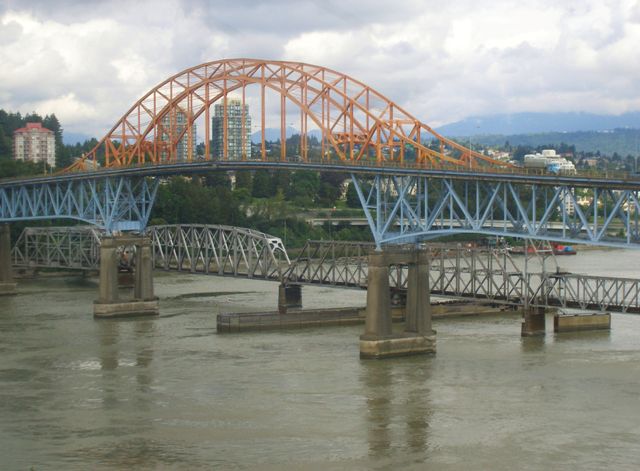
Metro Vancouver mayors hope to avoid property tax incease with host of tollsAi?? and road taxes
By KELLY SINOSKI, Vancouver SunFebruary 24, 2012Vancouver politicians will push the B.C. government to introduce legislation for everything from a regional carbon tax to a vehicle levy by this spring in hopes of avoiding a potential property tax increase in 2013.
Langley Mayor Peter Fassbender, vice-chairman of the mayorsai??i?? council on regional transportation, said the mayors must find new short-term funding by this fall ai??i?? if itai??i??s to be approved as part of TransLinkai??i??s funding plan ai??i?? or they will be forced to hike property taxes by an average $23 per homeowner on Jan. 1, 2013.
Mayors are slated to meet with Transportation Minister Blair Lekstrom on March 7.
ai???Weai??i??ve given [Lekstrom] a list of things that could be added tools …,ai??? Fassbender said. ai???Once itai??i??s in the legislation then itai??i??s up to the mayors in the region to work with whatai??i??s in the legislation to find something in the short term.ai???
The mayorsai??i?? council, TransLink and the province are trying to find alternative sources of funding to generate $70 million annually for future transit projects, including the Evergreen Line and express bus service in Surrey and along Highway 1 to Langley. About $40 million of that funding will come from a two-cents-a-litre boost to the gas tax, but mayors hope to raise the other $30 million without raising property taxes ai??i?? although they have that option.
A 12.5-per-cent increase in transit fares is also proposed for 2013.
Lekstrom said Friday he believes there are short-term ai???opportunitiesai??? available but wouldnai??i??t elaborate, saying itai??i??s up to the mayors to come up with a ai???palatableai??? solution. ai???This is about the mayorsai??i?? council,ai??? he said. ai???Theyai??i??re going to have to talk to the people they represent.ai???
Fassbender said the mayorsai??i?? council hopes to have a range of legislation for short-term funding available so they can continue to finance projects while researching longer term options such as road pricing, which could see tolling major water crossings, tolling entry and exit points to defined areas of Metro Vancouver ai??i?? possibly varying by time of day ai??i?? or by tracking and charging for total kilometres driven.
A confidential report, Evaluation of Revenue Sources to Support Transportation Improvements in Metro Vancouver, obtained by The Vancouver Sun, estimates a toll of $1.60 per trip at major bridges and tunnels ai??i?? which are not named ai??i?? could raise $100 million a year. Another table suggests toll revenue could total between $100 million and $200 million a year.
Fassbender said regionwide tolls would be equitable for all residents in Metro and generate significant revenue. TransLink has tolls on the Golden Ears Bridge, and is likely to slap tolls on the new Pattullo Bridge. The province also plans to toll the new Port Mann, which means those living south of the Fraser will bear the brunt of the costs of those projects.
ai???If we do it on the North Shore bridges, south of the Fraser bridges and northeast sector bridges then nobody can say ai???weai??i??re the only ones paying,ai??i??ai??? he said.
Robin Lindsey, a professor of operations and logistics at the University of B.C.ai??i??s Sauder School of Business, said regionwide tolls would also be lower. Vehicles crossing the new Port Mann Bridge will soon be charged $3 each time, while unregistered users of the Golden Ears Bridge pay $4.10 per trip.
ai???As a means of generating revenue it is effective if itai??i??s done comprehensively; if you just toll the Golden Ears Bridge youai??i??re not going to collect a lot of money,ai??? Lindsay said. ai???If you charge for all tolls, which admittedly is a big step, on all the bridges and tunnels, then youai??i??re going to collect for all the trips. You can also argue itai??i??s fair; people are contributing equally.ai???
London has congestion tolling in and out of its city core, as do Shanghai and Singapore. In the U.S., Lindsay said, several states charge tolls on their HOV lanes, which are free to cars with two or more people but allow single-occupancy vehicles to use them for a price.
Lekstrom said he was surprised to hear tolls were being considered for all bridges, tunnels and even the Sea to Sky Highway. ai???Right now the government is not looking at putting tolls on the Sea to Sky.ai???
Richmond Mayor Malcolm Brodie said he would oppose regionwide tolls, as his residents would have to pay to get in and out of the island community. He said road pricing ai??i?? paying for the distance travelled ai??i?? would be a fairer alternative as a user-pay system. He also supports a vehicle levy, although Fassbender said that would be unfair to south of the Fraser families, many of whom need three or four cars because of a lack of transit.
But Brodie said Surrey and Langley will benefit the most from the money that will be generated in the future transit plan. ai???Weai??i??ve wasted a year getting to this point,ai??? he said. ai???We have to come up with something fast to get rid of the property taxes.ai???
Meanwhile, Burnaby Mayor Derek Corrigan said he doubts the mayors will be able to avoid raising taxes next year because the province is not likely to approve a vehicle levy ahead of a provincial election. ai???There are not a lot of palatable choices out there,ai??? he said.
ksinoski@vancouversun.com
Road tolls coming – welcome to tax and spend TransLink
Road tolls, the clarion call of tax and spend bureaucrats and politicians.
What the boys and girls wanting road tolls or road pricing is more taxpayers money to waste on nextAi??to useless SkyTrain expansion, new posh offices, and ever higher salaries; better public transit is just an excuse, but not in the cards.
For road tolls to succeed, one must have a credible public transit network to act as a viable alternative to the car; the Vancouver Metro region doesn’t have, nor is one being planned. The Vancouver Region and its planners have adopted a very dated light-metro philosophy, where a mass of bus routes feed a light-metro route which acts as a spine. Sure one gets high ridership on the light-metro, but most ofAi??the transit customersAi??taking the light-metro have transfered from a bus. TransLink has admitted that over 80% of SkyTrain’s ridership first take a bus and transfer to the light-metro.
This sort of bus and light-metro planning has proven both expensive and almost unworkable, yet TransLink continues with this dated planning. If one reads Eric Chris’s letter in the previous post, TransLink’s ridership matches population growth, nothing more, which is more proof that TransLink’s present transit planning has failed.
Yet, TransLink and its ponderous bureaucracy continues with this failed transit philosophy with the Evergreen Line and evidence points that the TransLink ‘spin‘ has bamboozled regional mayors and councilors that TransLink needs more and more money, yet there is no evidence that the huge amounts of taxAi??money and secret subsidiesAi??already earmarked for TransLink is wisely spent.
Regional mayors act like carnival rubes, just waiting to get their (read ours) pockets picked clean, by well seasoned hucksters.
If the region wants road pricing to work, this is the transit that must happen:
- All day, seven days a week,Ai??express buses from South Delta and South Surrey, with a minimum 20 minute frequency, to downtown Vancouver, with no forced transfer on the RAV/Canada Line.
- The full build Rail for the Valley/Leewood TramTrain from Vancouver and Richmond to Rosedale.
- A BCIT/UBC/Stanley Park LRT/tram.
- A Whiterock to Surrey Central LRT/tram, with direct service via the RftV/Leewood TramTrain to Vancouver.
- A new joint three track Fraser River Rail Bridge/six lane car bridge, replacing the Patullo Bridge.
- All day/weekend servcie by the West Coast Express.
This is the transit plan that would justify road pricing in the region and somehow I don’t think the bright sparks at TransLink are even beginning to understand what is needed to justify regional road pricing in the Metro Vancouver Region.
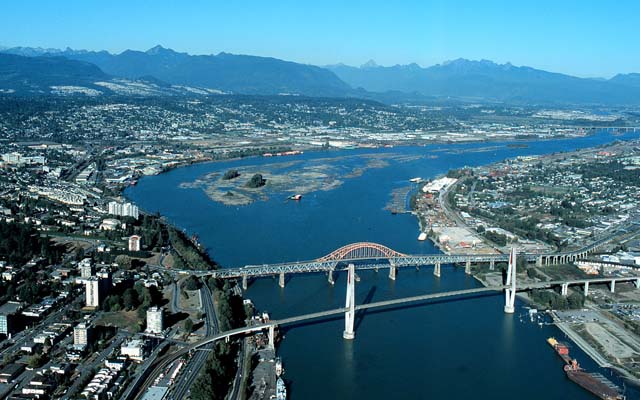
EXCLUSIVE: Road tolls recommended for Metro Vancouver
By DON CAYO, Vancouver SunFebruary 24, 2012 6:03 AM
A comprehensive road pricing scheme ai??i?? tolls that youai??i??d have to pay to drive pretty well anywhere in Metro Vancouver ai??i?? is the method favoured by provincial and regional bureaucrats to finance TransLinkai??i??s ambitious spending plans well into the future.
But they have many other ideas on how to extract, over time, hundreds of millions of dollars from taxpayers. The proposals are outlined in a confidential report, Evaluation of Revenue Sources to Support Transportation Improvements in Metro Vancouver, that was distributed to hand-picked political and stakeholder groups earlier this month. The proposals cover the gamut ai??i?? from fuel and carbon taxes to property taxes, development fees and fare hikes, as well as stiff new or additional levies on everything from parking to business payrolls, car rentals, hotel rooms and goods transported around the region.
The Joint Technical Committee, composed of senior executives from the Ministry of Transportation and Infrastructure, TransLink, and the cities of Vancouver and Surrey, ranks more than 20 proposals according to technical suitability and ai??i?? as the committee members interpret the broad direction theyai??i??ve received from the regionai??i??s mayors ai??i?? political desirability.
Next, for any of these measures to be adopted, the regional Mayorsai??i?? Council that oversees TransLink will have to decide which options it wants, and the provincial government will have to pass enabling legislation.
A copy of the document obtained by The Sun says the move to road pricing could be implemented in various ways, including by tolling major water crossings, tolling entry and exit points to defined areas of Metro Vancouver ai??i?? possibly varying by time of day ai??i?? or by tracking and charging for total kilometres driven. All these options were given high or fairly high ratings on all four criteria taken into account: the impact on peopleai??i??s transportation choices, the impact on families and the economy, fairness and transparency, and the ability to generate and sustain revenues.
One table in the report estimates a toll of $1.60 per trip at major bridges and tunnels ai??i?? which are not named ai??i?? could raise $100 million a year. Another table suggests toll revenue could total between $100 and $200 million a year.
However, the report notes one drawback ai??i?? none of these road-pricing schemes could be implemented in time to meet TransLinkai??i??s 2013 needs.
The Mayorsai??i?? Council has said in the past that TransLinkai??i??s existing revenue sources, as authorized by provincial legislation, arenai??i??t adequate to meet its needs. The province has approved a new fuel tax of two cents a litre to cover a portion of the revenue needed while long-term options are explored. A plan was also approved to authorize a limited-time property tax increase, averaging about $23 per homeowner, for 2013 and 2014 to fund TransLinkai??i??s short-term needs if long-term funding isnai??i??t found before then.
However earlier this month, several Metro Vancouver mayors called for an independent audit of the transit authority to ensure it is running efficiently before additional taxes and tolls are considered. TransLink Commissioner Martin Crilly is already reviewing the agencyai??i??s financial picture ahead of deciding whether to allow a 12.5-per-cent transit fare hike that could go into effect next year.
TransLink has been struggling to finance the growing regionai??i??s transportation needs. In December, the agency predicted an $83-million deficit for 2011, while transit ridership grew by five per cent. Additionally, TransLink has several massive projects in the works including: the $1.4-billion Evergreen Line, to which it has committed $400 million; upgrades to the Expo Line, estimated to cost between $850 million and $1.1 billion over 30 years; and a $150-million upgrade to the Main Street, Commercial-Broadway and Metrotown SkyTrain stations to take place over ai???the next few years,ai??? according to its website.
The confidential report outlines several other options the politicians are likely to consider.
Other highly ranked options are:
ai???An increase in the Metro Vancouver fuel tax, now 17 cents a litre. This could bring in $30-$100 million a year, and is one of just six options that could be adopted in time to meet 2013 funding needs.
ai???A new regional carbon tax, or a portion of the provincial carbon tax being designated for TransLink. These are the richest options, with revenue potential estimated at more than $200 million a year. A regional carbon tax, the document says, could be implemented by 2013, although it doesnai??i??t see the same possibility for a designated portion of the provincial carbon tax, possibly because it was temporarily frozen by this weekai??i??s provincial budget and itai??i??s now to be subject to a year-long review.
ai???An increase in parking sales tax from its current level of 21 per cent. The revenue estimate of $10-$30 million implies that it would go up between 4.5 and 13.5 percentage points to range between 25.5 and 34.5 per cent. This, too, could be done at the stroke of a pen, but it wouldnai??i??t bring in enough to fully meet TransLinkai??i??s immediate needs.
ai???A new vehicle registration fee ai??i?? either a flat fee, or one based on emissions standards, or on the ownerai??i??s proximity to public transit. This could bring in $100-$200 million a year, and it could be implemented quickly.
ai???Transit fare increases over and above the rate of inflation. Increases of 10 to 33 per cent would bring in $30-$100 million in potential revenue, but theyai??i??re not flagged as something that could be implemented right away.
ai???Higher property tax with a portion allocated to public transportation. This could raise $100-$200 million and be implemented quickly.
ai???A benefiting area tax, which would mean an extra assessment on property that gained value because of its proximity to a major transportation development. This could raise $30-$100 million, though itai??i??s not on the list of measures suitable to meet needs in 2013.
ai???Project tolls, described as ai???charges for use of a new facility that would otherwise have been free to use.ai??? This could raise $100-$200 million, and is not on the list of ready-to-implement strategies.
A second list of six strategies is given a medium ranking based on their technical merit and political sensitivity, and thus might still be considered by the politicians.
These options are:
ai???A flat levy per property that, the document says, could raise $10-$30 million a year, an amount that implies an annual rate of $13-$39. It could come into effect in time to partly cover TransLinkai??i??s 2013 plans.
ai???A regional sales tax that, at a rate of 0.6 per cent, could raise $30 million.
ai???A parking levy on all stalls, free or paid, that could raise $10-$30 million at a rate of $25 to $75 per stall.
ai???An employer payroll tax that could raise $30-$100 million at a rate of $30-$90 a year per employee.
ai???Development charges when land is subdivided or building permits are issued. This could raise $10-$30 million at rates of $1,500-$4,500 per family home, $650-$1,950 per apartment, and $1.25-$3.75 per square foot of commercial space.
ai???New charges to municipalities that see their property tax revenue increase as a result of new transportation facilities. This would bring in an undetermined amount.
Finally, there are four areas that were ranked as low in potential ai??i?? a vehicle sales tax, a car rental fee, a fee for goods transported in the region and a hotel tax.
TransLink Menace to Society in Metro Vancouver
Eric Chris takes on TransLink!
The following is a copy of a “letter to the editor“, that a Mr. Eric Chris sent to the Vancouver ProvinceAi??newspaper. Well researched, Chris exposes theAi??TransLink’s current charade with its involvement with regional transit. As well, he has determined the real cost of the Canada Line mini-metro, which according toAi??Chris’s research, is at least $4.5 billion, which does not include debt servicing on the provincial portion of the costs.
One tires of TransLink’s and the SkyTrain Lobby’s distortions of the truth about SkyTrain, the Canada Line and with regional transit and if Mr. Chris’s letter doesn’t inspire the provincial Auditor General to do an audit of TransLink, nothing will.
The truth is out there, if anyone cares to look.
Subject: TransLink Menace to Society in Metro Vancouver
To: susan lazaruk <slazaruk@theprovince.com>, editor province <provletters@theprovince.com>Susan,Here is my letter to the editor (also attached is a chart showing population, vehicle and transit trends before and after the formation of TransLink in 1999):Certainly, a transit organization with skilled technical professionals to operate transit seamlessly in Metro Vancouver has merit.Ai?? TransLink isnai??i??t this organization and never has been.Staffed by minions appointed and directed by the provincial government, TransLink is orchestrated by former and current provincial politicians aided by the Ministry of Transportation and Infrastructure.Ai?? TransLink embodies the classical Greek tragedy filled with corruption, greed and hubris. Bureaucrats at TransLink have no apparent useful purpose in the day to day operation of transit. What good they do, nobody knows.In Metro Vancouver, the provincial government through TransLink dictates the type of transit to make SkyTrain transit the only choice.Ai?? Mayors in Metro Vancouver are essentially blackmailed into accepting the use of SkyTrain transit as a pre-condition for transit funding from the provincial government.Ai?? This isnai??i??t ethical.Mayors in Metro Vancouver do not serve TransLink.Ai?? Priorities for transit rightfully belong to the mayors representing the municipalities served by TransLink.Along all SkyTrain routes operated by TransLink, the excessive use of diesel buses degrades the air quality with harmful emissions and impairs the health of residents living along the SkyTrain routes.Ai?? Noise and pollution associated with SkyTrain transit under the control of aloof and unaccountable staff employed at TransLink are causing severe tensions in Metro Vancouver.Municipalities such as Burnaby, Vancouver, Richmond, Delta and Surrey already have qualified transportation engineers and staff who know exactly whatai??i??s best for transit in their municipalities.Ai?? TransLink meddling in municipal transit affairs merely adds an unnecessary layer of bureaucracy from bungling bureaucrats interfering in municipal transit.Ai?? Cosmopolitan Vancouver is well suited to streetcar transit and growing Surrey is perfectly suited to LRT.Ai?? Both LRT and streetcar transit eliminate the use of polluting and costly diesel buses used by TransLink on SkyTrain routes.According to former NDP Premier, Mike Harcourt who resigned in disgrace after he tried to cover up the theft of money from a charity organization and who isnai??i??t someone who might be considered completely trustworthy with impeccable moral character ai??i?? ai???TransLink was born in 1999: a unique, made in B.C. solution unmatched by any transportation authority in the world… What will blow everyone’s socks off… is TransLinkai??i??s next five to seven yearsai??? [2008 to 2015]… Aligned with provincial plans, TransLink is… planning… the Evergreen Lineai???.Ai?? Mike Harcourt was right:Shady Transit FinancesOf the $2 billion spent by TransLink on the RAV Line, TransLinkai??i??s private partners contributed about $500 million in return for ai???performance paymentsai??? over 30 years.Ai?? TransLink is paying its private partners ai???annual performance paymentsai??? of about $100 million. This isnai??i??t shady?Ai?? In total, the undiscounted cost of the RAV Line is ultimately going to be $4.5 billion ($1.5 billion plus $100 million for 30 years).What motivated TransLink to partner with private investors in the first place?Ai?? Surely, the provincial government could have financed the RAV Line without private investors.Transit in Montreal floated a bond paying 4.5% interest to finance $300 million in transit expenditures. TransLink could have financed the $500 million shortfall for the RAV Line with a similar bond paying 4.5% interest. Annual interest payments to bond holders (residents in the province) would have been $22.5 million annually rather than $100 million annually to ai???investorsai??? and it would have been a way of letting transit users invest in their transit system.It costs TransLink about twice as much as it costs Edmonton Transit to put someone onto transit when the costs of long and harsh winter conditions in Edmonton are taken into account.Ai?? Without gas taxes and other taxes subsidizing transit by TransLink, on average each transit user in Metro Vancouver would have paid $9.34 daily in 2010 to ride on transit by TransLink – underscoring how terribly inefficient transit by TransLink truly is ($989 million transit operating expenditures in 2010 / 365 days / 290 thousand average transit users in 2010 = $9.34 daily for each transit user on average).Ai?? Transit by TransLink has reached the point where TransLink can save money by paying people to drive a car.Air Quality DegradationIn Metro Vancouver, the over use of high frequency diesel buses by TransLink leads to increased rates of lung cancer and asthma robbing people of their health, particularly in middle age and later life. It would be political suicide to tear down the trolley bus lines, so TransLink plays dirty on Broadway in Vancouver, for instance: TransLink operates diesel buses (B-Line) on a two minute frequency and undermines trolley buses operating on a 10 minute frequency (while suspending trolley bus service in the evenings and on weekends).SkyTrain stations are spaced two kilometres apart in distance and additional diesel buses are required along all SkyTrain routes to shuttle passengers to and from the SkyTrain stations.Ai?? To support the SkyTrain transit operating every few minutes, diesel buses shuttling passengers to and from SkyTrain stations operate every few minutes, too.Along all mayor diesel bus routes used to support the SkyTrain network (including the B-Line route complementing the SkyTrain at Commercial Drive in Vancouver) air is saturated with ultra fine particulate matter (PM). Ultra fine PM emitted in the exhaust of diesel buses is 70 times smaller than the diameter of a human hair and is invisible.Ai?? Much like contaminated radioactive fallout, it is insidious, coated in toxic arsenic, lead… mercury.People have no natural defense to PM from diesel buses operated in excess by TransLink.Ai?? Ultra fine particulate matter lodges in the lungs and enters the bloodstream of residents living within approximately 100 metres of SkyTrain routes and trolley bus routes overrun with diesel buses. Over time toxic PM accumulates and leads to increased cancer and asthma rates in people living on routes with frequent diesel bus service.Ai?? For TransLink, the health of residents along B-Line routes is unimportant.Ai?? Perhaps the technically inept and ignorant imbeciles at TransLink are unimportant, instead.Although all cars except electric cars are required to go though AirCare administered by TransLink, diesel buses operated by TransLink are not required to go through the AirCare program.Ai?? Smoking vehicles emit high levels of harmful PM and automatically fail AirCare.Ai?? Many diesel buses operated by TransLink are smoking and would fail AirCare.Ai?? TransLink knows this and exempts its diesel buses from the AirCare program.Ai?? TransLink diesel buses canai??i??t meet municipal noise by-laws for vehicles as well.Ai?? TransLink has a fix for this, too: it cheats and obtains exemptions from municipal noise by-laws to operate screeching, screaming and shrieking diesel buses with impunity.TransLink often cites the reduction of carbon emissions by transit to justify transit funding.Ai?? If TransLink went on strike, carbon emissions would be expected to increase by no more than 3% in Metro Vancouver.Ai?? If everyone on diesel buses were passengers or drivers in cars, carbon emissions would be expected to drop by 20% in Metro Vancouver.Ai?? In other words, fewer transit users taking diesel buses and more transit users driving would be more effective in reducing carbon emissions.Ai?? Incidentally, Canada emits 2% of the global GHG emissions, and if everyone in Canada took zero emission transit power by renewable wind or solar electricity, global GHG emissions would not decrease to any extent (~0.2%).Ai?? Transit by TransLink results in no meaningful reductions in carbon emissions.Ai?? Nil.Vehicle Use ExplosionSince the formation of TransLink, the rate of vehicle registrations has accelerated relative to the rate of population growth.Ai?? In the 10 years from 2000 to 2010, after the formation of TransLink, vehicle registrations exploded to 302,000 (231,000 vehicle registrations from 1989 to 1999 in the 10 years before TransLink).SkyTrain by TransLink is regional long distance transit with limited stops.Ai?? SkyTrain by TransLink has opened up distant communities.Ai?? By raising the status of developments along SkyTrain routes,Ai?? transit by TransLink has made developers and realtors much money.Ai?? At the same time, transit by TransLink has put many more cars on the roads.When condos go up along SkyTrain routes – the condos all have parking facilities and three out of four people in the condos drive.Ai?? While slightly more drivers are taking transit to school or work as a result of parking taxes imposed by TransLink, for instance, transit by TransLink is not converting a significant number of drivers into transit users to reduce vehicle gridlock to any extent.In Canada, one-third of the population does not have a driverai??i??s licence.Ai?? Predominantly, transit users are people who canai??i??t drive for various reasons (four out of five transit users do not have access to a vehicle).Ai?? There are 1.5 million registered vehicles in Metro Vancouver and only about 60,000 out of the peak 300,000 transit users (about one-half as many transit users on holidays and weekends) might drive.Ai?? This relatively small number of transit users who might drive (4% = 60,000 / 1.5 million) in Metro Vancouver would not cause gridlock.Ai?? Transit by TransLink is doing little to nothing to reduce traffic gridlock.On the other hand, traffic flow would improve dramatically for most of the day (likely all day) without the clutter of B-Line diesel buses on the roads in Vancouver if TransLink did not operate B-Line diesel buses excessively every two minutes to five minutes with few people or no people on board, as is often the case, for instance.Ai?? TransLink merely provides mobility to a small percentage of the population (11% on average).Ai?? Transit by TransLink except for a few hours in the morning and afternoon rush hours hampers traffic flow.It is specious of TransLink to continually mention relatively modest transit ridership records in the media without at the same time mentioning the far greater vehicle use records.Ai?? It gives the false impression that TransLink hasnai??i??t been a miserable failure in the reduction of vehicle use which has exploded in Metro Vancouver as SkyTrain transit has expanded.There is no traffic gridlock from vehicles on the roads late at night or early in the morning, and TransLink is not doing anything to reduce gridlock by offering transit then.Ai?? It is disingenuous of TransLink to imply that road construction is less with transit by TransLink.Ai?? Roads are required in any new housing development.Ai?? Transit by TransLink canai??i??t operate without roads.In short, transit by TransLink is a menace to society in Metro Vancouver.Ai?? Transit by TransLink has done the following:Inflated the cost ofAi??Ai?? transitDiminished the qualityAi??Ai?? of air-inhaledImpaired the health ofAi??Ai?? residentsIncreased the use ofAi??Ai?? vehiclesWhat basis do the glorified monkeys at TransLink have to increase transit fares and gas taxes to pay for the Evergreen Line (SkyTrain requiring extra diesel bus service)?Ai??Ai?? No basis.Until transit is made more extensive, affordable and accessible ai??i?? it will not improve.Ai?? Unless there is a switch to LRT or streetcar transit which delivers more transit for less money (without the concomitant degradation of the environment by SkyTrain transit), transit in Metro Vancouver will continue to languish and disappoint.SkyTrain transit by TransLink is a fiasco.Ai?? TransLink wants more cash to continue expanding SkyTrain transit?Ai?? Here is a novel idea: reduce TransLinkai??i??s budget for TransLink to operate streetcar transit or LRT like all the rest of the transit organizations in Canada.Ai?? Forget the ai???unique made in B.C. solution unmatched by any transportation authority in the worldai??? by individuals whose egos are too big to admit that SkyTrain transit relying on frequent diesel bus service is not only a financial mistake but also an environmental disaster.ecReferences:Mike HarcourtBlair LekstromDiesel ExhaustCarbon Emissionshttp://www.tc.gc.ca/eng/policy/report-aca-anre2009-2464.htm
TransLink TransitSurrey LRTVancouver StreetcarToronto TransitMontreal Transit
Toronto LRT latest
From Ai??TTCriders, a public transit advocacy group that gives transit riders a voice
Why Silence Gary Webster?
http://www.ttcriders.ca/
For the second time in less than a month, 5 TTC Commissioners are trying to silence TTC staff from doing their jobs: giving expert opinions on transit expansion that contradicts the Mayorai??i??s calls for subways. This time, they are threatening to fire Gary Webster, TTC Chief General Manager.
ai???Why are they firing Gary Webster,ai??? asked Jamie Kirkpatrick, spokesperson for TTCriders. ai???Are they afraid he will do his job and provide an objective analysis of how transit expansion should happen in Toronto?ai???
Kirkpatrick noted that the five Commissioners who want to sack Webster also voted againstAi??allowing TTC staff to provide information on options for transit expansion at the January 31st TTC meeting.
Commissioners Crisanti, Di Giorgio, Kelly, Minnan-Wong and Palacio also voted with the Mayor against a Council-approved plan to build 3 new Light Rail Transit (LRT) lines throughout the city. This fully funded plan was adopted at a special Council meeting on February 8th. As well, these Commissioners support the Mayorai??i??s call for a subway along Sheppard, instead of a fully funded LRT, even though TTC staff reports and other transit experts agree the proposed subway is unnecessary and not affordable.
These Councillors can be reached at the following email addresses and phone numbers:
Councillor Crisanti -Ai??councillor_crisanti@toronto.ca,Ai??416-392-0205
Councillor Di Giorgio -Ai??councillor_digiorgio@toronto.ca ,Ai??416-392-4066
Councillor Palacio -Ai??councillor_palacio@toronto.ca,Ai??416-392-7011
Councillor Minnan-Wong -Ai??councillor_minnan-wong@toronto.ca ,Ai??416-397-9256
Councillor Kelly -Ai??councillor_kelly@toronto.ca,Ai??416-392-4047
Itai??i??s a sad day for transit riders when five Commissioners who are responsible for our transitAi??system want to fire someone for doing their job.
Ai??Over at the Toronto Star http://www.thestar.com/news/transportation/article/1133785–ttc–
TTCai??i??s Gary Webster would be tough to replace: David Gunn
Ai??Toronto Mayor Rob Ford shows off the Mall Walkers Club T-shirt heAi?? was presented by club members at the start of a walkabout atAi?? Malvern Town Centre in Scarborough on Saturday. Ford refused toAi?? comment about the fate of TTC chief Gary Webster, who is reportedAi?? to be facing the axe.

Ai??Mayor Rob Ford and the TTC will be hard-pressed to find a qualified replacement for Gary Webster if the embattled transit chief is sacked as expected on Tuesday, said David Gunn, an international transit expert who once held the TTCai??i??s top job himself.
ai???There are not a lot of people out there who can just slip into that seat,ai??? Gunn said from his home on Cape Breton Island.
Five councillors loyal to the Ford administration have called a special meeting of the TTC board on Tuesday, where it is believed they will try to fire Webster, the chief general manager who has worked at the transit agency for 35 years.
Webster, a senior bureaucrat and civil engineer, has drawn the Ford administrationai??i??s ire for his refusal to build the case for a subway extension on Sheppard Ave. E. and an underground light-rail transit system on Eglinton Ave.
ai???Whatai??i??s happening is obviously totally political,ai??? said Gunn, who was chief general manager of the TTC from 1995 to 1999, and has led transit authorities in cities across North America, including New York City and Washington.




Recent Comments