
Eric Chris on the West Coast Express and TransLink Ridership in General
Eric Chris takes on TransLink’s appalling history of exaggerating ridership on Vancouver’s metro transit system. Zwei has known since the mid 1980’s that BC Transit exaggerated ridership on the SkyTrain Expo Line to impress visiting transit types, but they were not fooled as they could see that the light loadings on the mini-metro did not […]
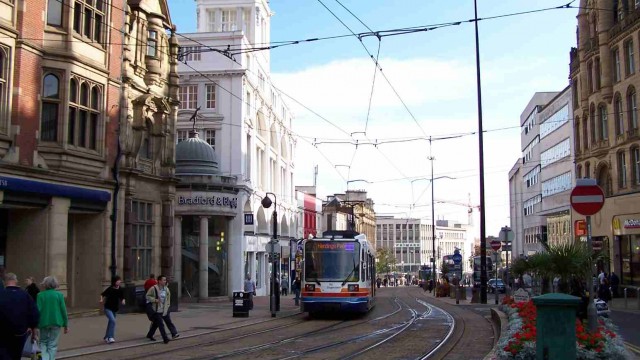
TramTrain Trial OK’ed in the UK
TramTrain is coming to South Yorkshire, in the UK. If TramTrain passes muster with her Majesty’s Railway Inspectorate, it would past muster in BC for operation in metro Vancouver. The real question, of course, is why TransLink must be forced kicking and screaming to accept TramTrain as a 21st century transit mode? From the LRTA […]

Provincial Auditors Ignore SkyTrain – TransLink’s Financial Chaos Will Continue
What is interesting about this item in the Vancouver Sun, is that provincial auditors, looking for maintenace cost savings in TransLink, are ingoring the SkyTrain light-metro system and I wonder why? “The report, which didnai??i??t examine maintenance costs for SkyTrain ai??i?? run by BC Rapid Transit Co. ai??i?? suggested TransLink must ai???re-evaluate maintenance services and […]
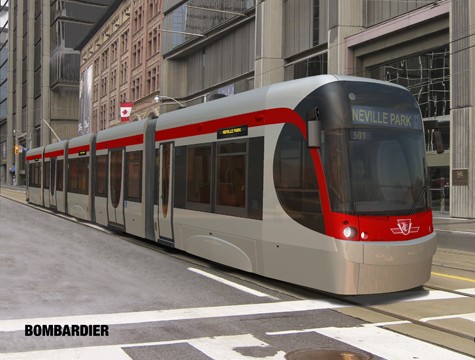
Urban Compass – Subways wont win Rob Ford Votes
In a meeting room in Scarborough earlier this month, Mayor Rob Fordai??i??s grand plan to ride to re-election on subway promises drift further off track. It happened deep in the heart of Ford Nation, with a few dozen people gathered in Agincourt for an information session put on by CodeRedTO, a non-partisan group thatai??i??s been […]
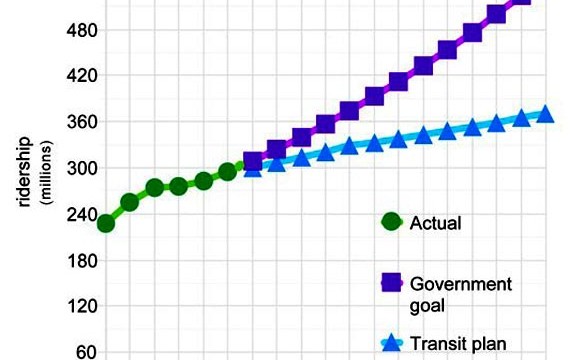
Eric Chris on Fare Evasion and Opens A Pandoras Box
It seems from TransLink’s ownAi??numbers that it will be extremely difficult if not impossible for TransLink to reach ridership goals set for 2020. Eric Chris, has done some very good research on the fare evasion issue and heAi??brings up some very important points. Focusing on the light-metro network, is TransLink doing a good job moving […]

More on Karlsruhe, new Trams, headway, pedestrians & bicycles
Ai??Germany-based Vossloh has won a ai??i??75m contract from Verkehrsbetriebe Karlsruhe (VBK) and Albtal-Verkehrs-Gesellschaft (AVG) to supply 25 low floor tram trains, with an option for 50 additional trains to be deployed in Karlsruhe, Germany. Under the contract, the company will supply its new tram train, the Citylink NET 2012, equipped with the modern traction system […]

Eric Chris’s Broadside At TransLink
Transit advovate, Eric Chris, again tackles TransLink on various trolleybus related issues in the City of Vancouver. Electric buses are quiet, pollution freeAi??and able to tackle steeper grades than diesel buses, are used on many Vancouver transit routes. Haydn Acheson, President and General Manager, Coast Mountain Bus Company: Coast Mountain Bus Company (CMBC) under […]
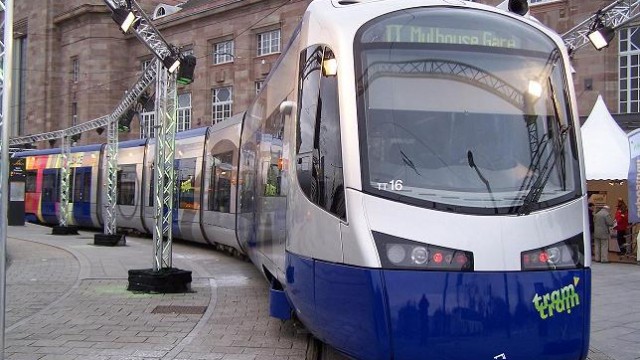
Connected Cities Ai?? Light Rail Transit or LRT
The Cardinal has posted details on the Connected Cities project before. Connected Cities is a European Union [EU]Ai??investigation into the question of how we can provide unrestricted but sustainable transport and mobility to cities and regions in such a way that it will strengthen their territorial cohesion and improve the quality of life of its […]
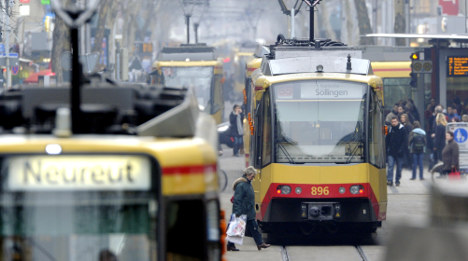
Karlsruhe – More fuel on the fire
A few weeks back, Zwei created a firestorm of denial by the anti-tram crowd, when I reported that the main tram route in the city was being replaced by a subway; “because of the success of Karlsruhe’sAi??regional tramtrain service, the main tram route through the city was seeing 45 second headways“. All Zwei did was […]

A recent spike: Canadaai??i??s abandoned railway lines given second life by search for cheaper transport
An interesting article from the National Post. Of course, Rail for the Valley has been advocating for this for the past four years! A recent spike: Canadaai??i??s abandoned railway lines given second life by search for cheaper transport Tristin Hopper Apr 27, 2012 One hundred and 26 years after Sir John A. Macdonald drove its […]



Recent Comments